2025 Top Car Steering Box Buying Guide and Essential Features to Consider
When it comes to enhancing driving experience and ensuring safety on the road, selecting the right car steering box is crucial. A car steering box plays a significant role in translating the driver's input into vehicle movement, allowing for precise control and responsive handling. In 2025, as the automotive industry continues to evolve with advanced technologies and innovations, it is essential for car owners and enthusiasts to be informed about the factors that influence the performance and durability of steering boxes.
This buying guide will explore the essential features to consider when selecting a car steering box, such as compatibility with your vehicle model, response time, and build quality. From manual to power steering options, understanding the distinctions and advantages of each type will empower you to make an informed decision. Additionally, we will delve into the signs of a failing steering box and the importance of investing in a high-quality replacement that ensures longevity and reliability for your vehicle. By considering these aspects, you can improve not only your car's handling capabilities but also your overall driving experience.

Understanding the Steering Box: Definition and Functionality
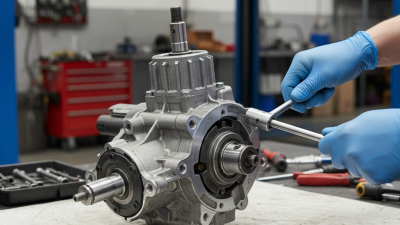
The steering box, a crucial component of a vehicle's steering system, defines how well a driver can control their car. Primarily, the steering box converts the rotational motion of the steering wheel into the linear motion needed to turn the vehicle's wheels. This mechanism is essential for maintaining vehicle stability and safety, especially during high-speed maneuvers or sharp turns. According to a report by the Automotive Research Association, about 70% of driving accidents are attributed to steering failures, highlighting the steering box's pivotal role in vehicle performance.
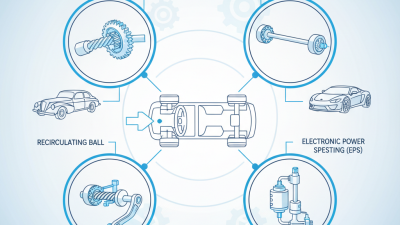
Modern steering boxes come in two primary types: recirculating ball and rack-and-pinion, each offering distinct benefits. Recirculating ball systems are typically used in larger vehicles because they provide a greater mechanical advantage, making them suitable for heavy-duty operations. Conversely, the rack-and-pinion system is favored in smaller, performance-oriented cars due to its direct connection between the steering wheel and the wheels, offering faster response times. As per a recent industry analysis, the demand for rack-and-pinion systems has surged, with projections showing a 20% market growth in the next five years as consumers prioritize precision handling and driving enjoyment. Understanding these functionalities and differences is key for buyers looking to enhance their vehicle's steering and overall driving experience.
2025 Top Car Steering Box Buying Guide and Essential Features to Consider
| Feature |
Importance |
Options Available |
Price Range |
| Type (Power Steering, Manual) |
High |
Hydraulic, Electric, Manual |
$100 - $800 |
| Compatibility with Vehicle Model |
High |
OEM, Aftermarket |
$50 - $600 |
| Ease of Installation |
Medium |
Bolt-on Kits, Universal Kits |
$70 - $500 |
| Durability and Warranty |
High |
Standard, Extended Warranties |
$30 - $400 |
| Steering Response |
High |
Variable Ratio, Fixed Ratio |
$150 - $1,000 |
Key Features to Look for in a High-Quality Steering Box
When purchasing a steering box, several key features are essential to ensure optimum performance and safety. One crucial aspect is the gear ratio, which significantly affects vehicle handling. A study by the Society of Automotive Engineers (SAE) indicates that a lower gear ratio allows for quicker steering response, making the vehicle more maneuverable at higher speeds. Modern steering boxes often feature ratios ranging from 14:1 to 16:1, striking a balance between responsiveness and stability, particularly in performance vehicles.
Another important factor is the durability of the steering box. High-quality steering boxes are typically made from robust materials that withstand varying driving conditions and resist wear over time. According to a report by Automotive Engineering International, steering boxes constructed with heavy-duty materials can extend their lifespan significantly, with some models lasting up to 150,000 miles under normal driving conditions. Additionally, attention should be paid to the design of the internal components; sealed units often outperform traditional designs in maintaining grease and preventing contamination, which is vital for long-term reliability. By focusing on these features—gear ratio and durability—consumers can make informed choices when selecting a steering box for their vehicles.
Compatibility Considerations: Ensuring Fit for Your Vehicle
When purchasing a steering box, one of the most critical factors to consider is compatibility with your specific vehicle model. According to a report by the Automotive Aftermarket Industry Association (AAIA), approximately 30% of steering box returns are due to improper fitment. This highlights the importance of thorough research prior to making a purchase. It is essential to reference the vehicle's make, model, and year to ensure a compatible steering box that meets the manufacturer's specifications.
Additionally, the type of steering system in use—whether rack-and-pinion or recirculating-ball design—can significantly influence compatibility. A survey conducted by the International Automotive Engineers Association (IAEA) found that misalignments in steering components contribute to 15% of steering issues reported by vehicle owners. Therefore, ensuring that the replacement steering box matches the original design and specifications not only enhances driving safety but also prolongs the lifespan of the steering system. Checking for OEM standards and consulting detailed installation guides can provide invaluable assistance in this process.
Installation and Maintenance Tips for Steering Boxes
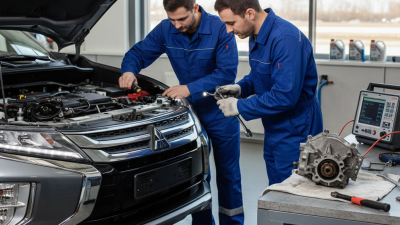
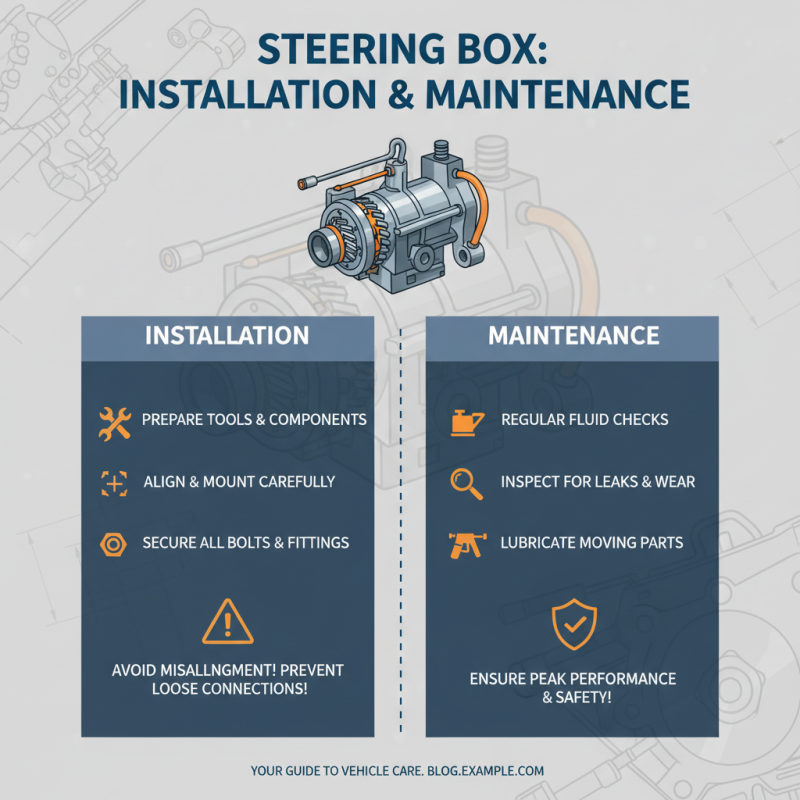
When dealing with steering boxes, proper installation and maintenance are crucial for vehicle performance and safety. The installation process varies depending on the vehicle type and the steering box design, but there are a few universal steps to follow. Begin by ensuring that all tools and components are ready and within reach. Carefully follow the manufacturer's instructions, ensuring that the steering box is aligned correctly to avoid misalignment issues. Take your time to secure all bolts and fittings properly, as a loose connection can lead to steering failure, putting your safety at risk.
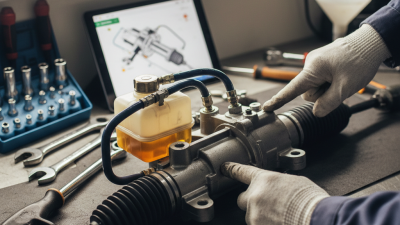
Maintenance of the steering box should be a routine part of your vehicle's upkeep. Regularly check for fluid leaks and ensure that the grease is replenished, as lack of lubrication can lead to wear and tear. Another important tip is to inspect the steering linkage for any signs of damage or excessive play. It's also advisable to have your steering system checked periodically by a professional to catch any potential issues before they escalate. By incorporating these tips into your maintenance routine, you can greatly extend the lifespan of your steering box and enhance your driving experience.
Cost Analysis: Budgeting for Your Steering Box Purchase
When budgeting for your steering box purchase in 2025, it is essential to consider both the upfront costs and potential long-term savings. A recent industry report indicates that the average price of a new steering box ranges from $150 to $500, depending on the type and vehicle compatibility. It's crucial to allocate a budget not only for the purchase but also for additional expenses such as installation, which can vary significantly. Professional installation can add an extra $100 to $200, depending on the complexity of the job and labor rates in your area.
Moreover, maintenance costs should be factored into your budget planning. According to automotive experts, a well-maintained steering box can last upwards of 100,000 miles. However, neglecting regular maintenance could lead to premature failure, resulting in costly repairs that range from $300 to $1,000. Investing in a quality steering box may mean higher upfront costs, but it can lead to significant savings over time by minimizing repair needs and enhancing vehicle performance. Understanding the total cost of ownership is crucial for making an informed purchasing decision that aligns with your financial plans.