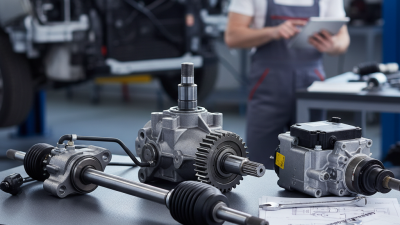
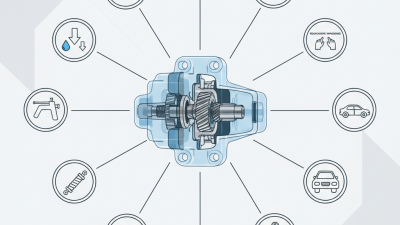
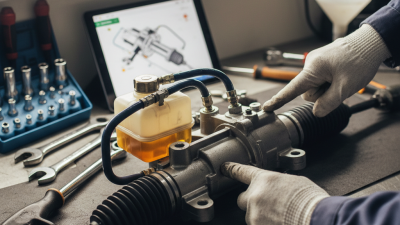
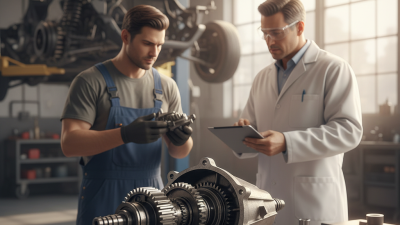
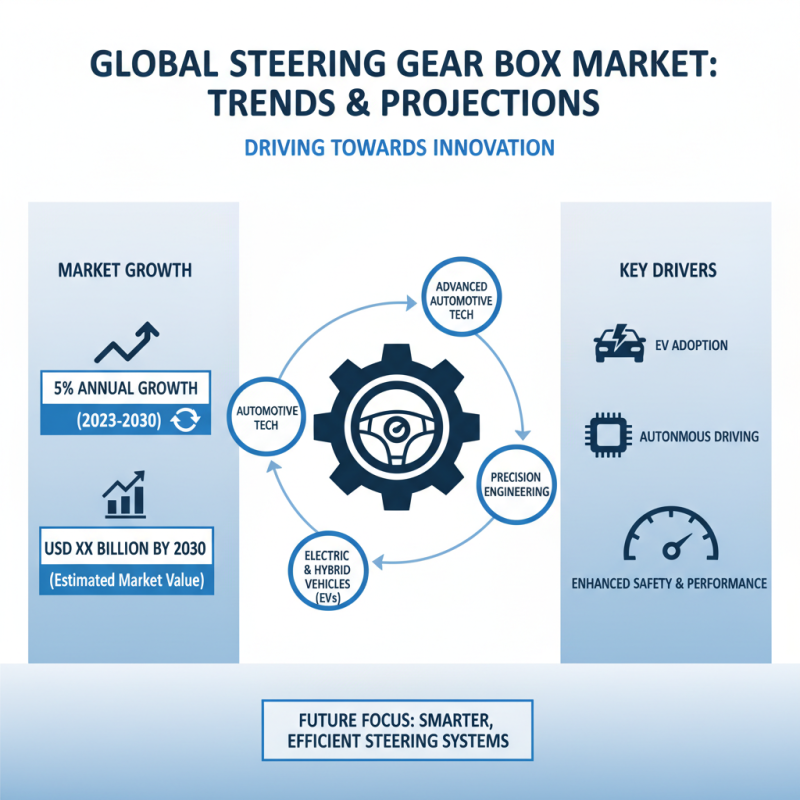
The global steering gear box industry has witnessed substantial growth in recent years. According to a report by ResearchAndMarkets, the market is projected to reach USD 12.5 billion by 2026, growing at a CAGR of 5.3%. This growth is largely due to the rising demand for more efficient and safer automotive technologies.
China remains a leading supplier in this sector. The country’s manufacturers have gained a reputation for providing high-quality steering gear boxes at competitive prices. Many global buyers are increasingly looking to Chinese suppliers for reliable products. Notable companies include ZF Friedrichshafen, JTEKT Corporation, and Bosch, all of which have established strong partnerships with local manufacturers.
However, it is important for buyers to conduct thorough research. Not all suppliers meet international quality standards. Ensuring compliance with safety and performance benchmarks is crucial. The complexities of navigating the market can be daunting, as local practices may differ. Buyers should reflect on their choices, focusing on both quality and cost-effectiveness in their selection process.
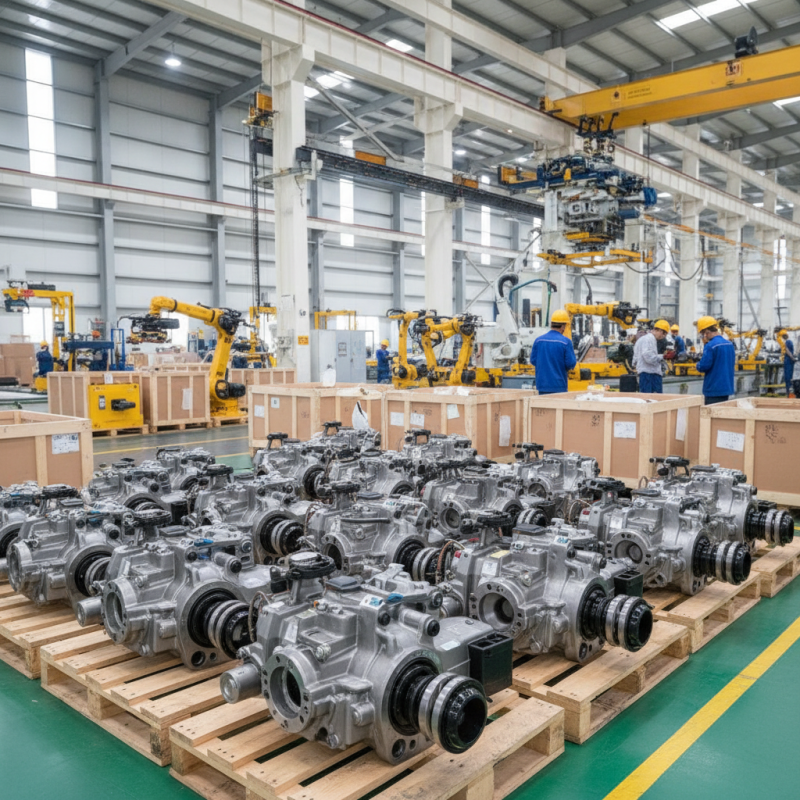
Steering gear boxes play a vital role in vehicle handling and safety. They translate driver input into precise wheel movements. A well-functioning steering gear box enhances vehicle response. It allows drivers to maneuver effectively, especially in tight spaces or during sudden stops. Quality steering gear boxes ensure consistent performance over time. Drivers benefit from improved control and comfort.
When selecting a steering gear box, consider materials and construction quality. Low-quality components can impair performance. It's crucial to choose suppliers with a proven track record. Research their manufacturing processes to ensure reliability. A reliable supplier should prioritize both performance and safety.
Tips: Always check for certifications and quality standards. Look for user reviews and expert opinions. This will guide you in making informed choices. A proper fit and installation are equally important. If installation is incorrect, the benefits may diminish.
Don't overlook regular maintenance; it's key to longevity and performance.
When choosing a steering gear box supplier, several key factors are crucial. Quality assurance stands out as a primary consideration. Reports indicate that about 70% of buyers prioritize suppliers who maintain international quality certifications. These certifications ensure reliability and performance. A supplier's previous clients' feedback can provide valuable insights too.
Cost is another significant factor. Competitive pricing is essential, but it should not compromise quality. Research on market trends reveals that while some suppliers offer lower prices, their products may lack durability. This can lead to longer-term costs due to replacements and repairs.
Additionally, evaluating the supplier's production capacity and technology is vital. Advanced manufacturing techniques typically translate to better products. Industry data suggests that suppliers with high capacity often meet urgent demands effectively. Ultimately, these choices significantly impact supply chain efficiency and project success. Potential buyers must weigh these details carefully.
When exploring the landscape of steering gear box manufacturers in China, understanding their market dynamics is crucial. According to a recent market analysis, China has emerged as a key player, accounting for over 30% of global production. The demand for high-quality steering gear boxes continues to increase, driven by innovations in the automotive sector, particularly electric and autonomous vehicles.
Leading manufacturers in China are pushing boundaries with advanced technologies. Many companies invest heavily in R&D, with a reported annual spend exceeding 10% of revenue. This focus on innovation directly impacts production efficiency and product reliability. However, not all manufacturers maintain consistent quality standards. A significant number of smaller suppliers struggle with meeting international quality certifications.
Additionally, socio-economic factors can influence production consistency. Fluctuations in raw material prices affect manufacturing costs. Quality control remains a challenge, as not all suppliers rigorously adhere to industry standards. This inconsistency creates opportunities for global buyers to negotiate better terms but also poses risks. Comprehensive assessments of manufacturers are essential for ensuring reliable supply chains.
| Supplier Type | Annual Production Capacity | Certifications | Main Export Markets | Years in Operation |
|---|---|---|---|---|
| OEM Manufacturer | 500,000 units | ISO 9001, TS16949 | North America, Europe, Asia | 15 years |
| Aftermarket Supplier | 300,000 units | ISO 9001 | South America, Europe | 10 years |
| Export Wholesaler | 1,000,000 units | ISO 9001, CE | Middle East, Africa | 20 years |
| High-Performance Manufacturer | 150,000 units | ISO 14001 | Asia, Europe | 8 years |
When sourcing steering gear boxes from China, understanding quality standards is crucial for global buyers. China has its own set of manufacturing regulations. Many factories comply with international standards such as ISO. This compliance indicates consistency in product quality. It impacts reliability, which is vital for automotive and machinery applications.
Certificates like CE and RoHS can also be indicators of quality. They demonstrate that the products meet safety and environmental requirements. However, certificate validity can vary. Some suppliers may present outdated or misleading certifications. This necessitates thorough vetting of suppliers. Buyers should consider not just the certifications but also the factory’s production practices.
Engaging with suppliers that prioritize quality assurance is essential. It’s not just about obtaining the lowest price. Sometimes, cheaper options lead to higher long-term costs due to failures or recalls. Ensuring that the supplier conducts rigorous testing can prevent such issues. It's wise to request samples and conduct independent checks to gauge quality firsthand. The pursuit of excellence requires ongoing diligence and adaptability.
The global steering gear box market is seeing notable shifts. Recent industry reports highlight a projected growth of over 5% annually through 2030. This momentum is driven by the rising demand for advanced automotive technologies. Electric and hybrid vehicles are steering the focus toward precision engineering in steering gear mechanisms.
Key insights suggest that Asia-Pacific will dominate the steering gear box production landscape. China's robust manufacturing capabilities position it as a leader in this sector, facilitating both domestic and international demands. However, challenges remain. Supply chain disruptions and fluctuating raw material prices could hinder consistent growth. The need for sustainable practices is also increasingly essential, pushing manufacturers to innovate.
Investing in R&D is crucial. Companies must address performance and reliability to meet evolving consumer expectations. Ongoing collaboration between manufacturers and technology providers could pave the way for future advancements. The industry must remain adaptable to these changes to thrive in a competitive market.