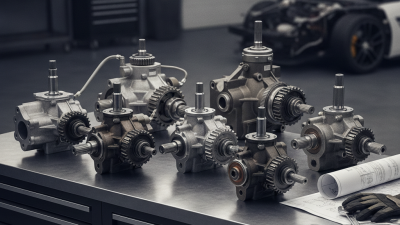
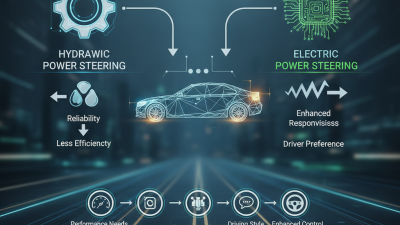
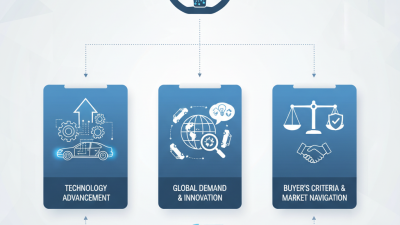
The Car Steering Box plays a crucial role in vehicle control and safety. According to Dr. Alan Grayson, an automotive engineering expert, "The steering box is the heart of directional control." This highlights its importance in everyday driving.
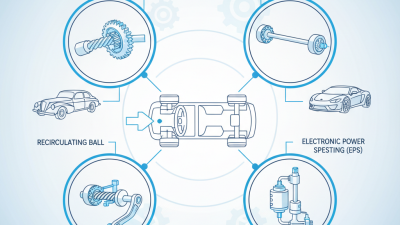
A Car Steering Box converts the rotational motion of the steering wheel into the lateral motion needed to turn the vehicle's wheels. It ensures precise handling and stability. The common types include the recirculating ball and rack-and-pinion steering boxes. Each design has its own advantages and limitations.
Understanding how a Car Steering Box operates can help drivers appreciate its complexities. Maintenance is vital, as a malfunctioning box can lead to serious driving issues. There are nuances in designs that may lead to operational inefficiencies. Reflecting on these details can deepen one’s understanding of vehicle dynamics and enhance road safety awareness.
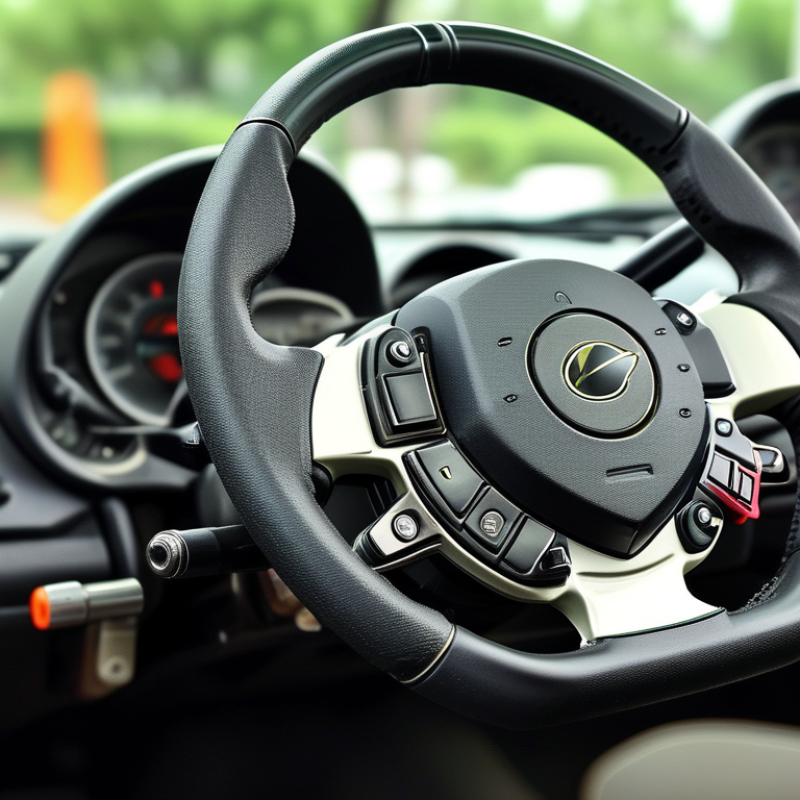
A car steering box is a vital component in the steering system. It converts the rotational motion of the steering wheel into linear motion for the wheels. This mechanism allows drivers to maneuver the vehicle easily. Typically, the steering box uses gears and linkages to assist with steering.
In most designs, the steering box contains a sector gear and a pitman arm. The sector gear engages when you turn the steering wheel. As a result, the pitman arm pivots, pushing the steering linkage to turn the wheels. This process is crucial for controlling the vehicle's direction.
However, steering boxes can wear out over time. Leaks or stiffness may occur, affecting control. Regular maintenance can help identify issues before they become serious. Inspecting the box can reveal early signs of wear. Small problems can lead to bigger surprises. Attention to detail is essential for safe driving.
The steering box is vital for vehicle handling. Its basic components include the
worm gear, sector gear, and pitman arm.
The worm gear converts the steering wheel's motion into rotational movement. This rotation engages the sector gear, pushing the pitman arm.
The pitman arm then turns the wheels.
Tips: Regular inspections are key. Check for signs of wear and tear
in the steering box. Loose components can lead to poor handling. If your steering feels off, don’t ignore it.
Another component is the housing, which contains the gears. It protects them and maintains alignment.
Over time, dirt and debris can enter and cause issues. Cleaning the steering box can prevent complications.
Tips: Use a clean cloth when inspecting the steering box. Be cautious with
high-pressure cleaning methods, as they can cause damage. Always prioritize safety when working on your vehicle.
The steering box is a crucial component in any vehicle, guiding the front wheels’ direction. It translates the driver’s steering wheel movement into the turning of the wheels, ensuring a smooth driving experience. Often located within the engine bay, it connects to the steering column and plays a key role in steering efficiency.
Within the steering box, a set of gears and linkages interact to amplify the force exerted by the driver. When you turn the steering wheel, the motion is transferred through a series of levers. This mechanism minimizes the effort needed to maneuver the vehicle. However, wear and tear can occur, affecting responsiveness. Inspections can reveal worn gears or fluid leaks, which may not be immediately noticeable.
Understanding how steering boxes function ensures better vehicle maintenance. A well-functioning box offers reliable steering, while problems can lead to a dangerous driving experience. Regular checks help in catching potential failures early. A neglected steering box might increase repair costs down the road. Maintaining this component is critical but often overlooked.
This chart illustrates the mechanical efficiency of different types of steering boxes commonly found in vehicles. Manual steering systems have a lower efficiency compared to power steering and electronic power steering systems, which provide enhanced control and responsiveness.
Steering boxes play a crucial role in vehicle dynamics. They convert the rotation of the steering wheel into the lateral movement of the wheels. The main types of steering boxes include the recirculating ball, rack and pinion, and worm and roller systems.
Recirculating ball steering boxes are common in trucks and older vehicles. They provide a robust solution, benefiting from their ability to handle heavier loads. Yet, they often lack the precision found in modern systems. Rack and pinion systems are more prevalent in contemporary cars. They offer a direct connection between the steering wheel and the wheels, translating to enhanced responsiveness. A report from the Society of Automotive Engineers (SAE) notes that 70% of new vehicles use this type due to its simplicity and effectiveness.
Worm and roller systems, though less common, serve specialized applications. These systems are advantageous for vehicles that require greater control at low speeds. However, they may not be efficient for high-speed driving. Data indicates that roughly 15% of commercial vehicles utilize this type. As the industry evolves, advancements in steering technology continue to shift preferences. Understanding these options can empower consumers and manufacturers alike, fostering informed choices in vehicle design and purchase.
| Steering Box Type | Description | Advantages | Disadvantages |
|---|---|---|---|
| Recirculating Ball | Uses ball bearings to reduce friction, allowing for smoother steering. | Durable, good for heavier vehicles, and offers precise steering. | Can be bulky and heavier than other types. |
| Rack and Pinion | Converts rotational motion into linear motion using a pinion gear that moves a rack. | Lightweight, compact design, and provides better response. | May require more frequent maintenance on some models. |
| Gearbox (Center Take-off) | Uses gears in the center for better torque application. | Strong torque application; can be adapted for various vehicle sizes. | Generally more expensive and complex to repair. |
| Electronic Power Steering (EPS) | Uses electronic motors to assist steering, eliminating hydraulic systems. | Increased fuel efficiency and reduced weight. | More complex and can be affected by electronic failures. |
| Hydraulic Power Steering (HPS) | Uses hydraulic fluid to assist the steering mechanism. | Better steering feel and performance at higher speeds. | Can leak fluid and requires regular maintenance. |
A car steering box is critical for vehicle maneuverability. It converts the driver’s input from the steering wheel into the motion of the wheels. However, steering boxes can develop issues over time.
Identifying these problems early can save significant repair costs and ensure safety.
Common problems include leaking fluid, which often indicates worn seals. Drivers may experience a stiff steering wheel or noise when turning. These symptoms should not be ignored. Regularly checking fluid levels and looking for leaks can help catch issues before they worsen. It's essential to inspect the steering components for wear and tear, as neglect may lead to more severe problems.
Maintenance Tips: