How to Choose the Right Steering Gear Box for Your Vehicle?
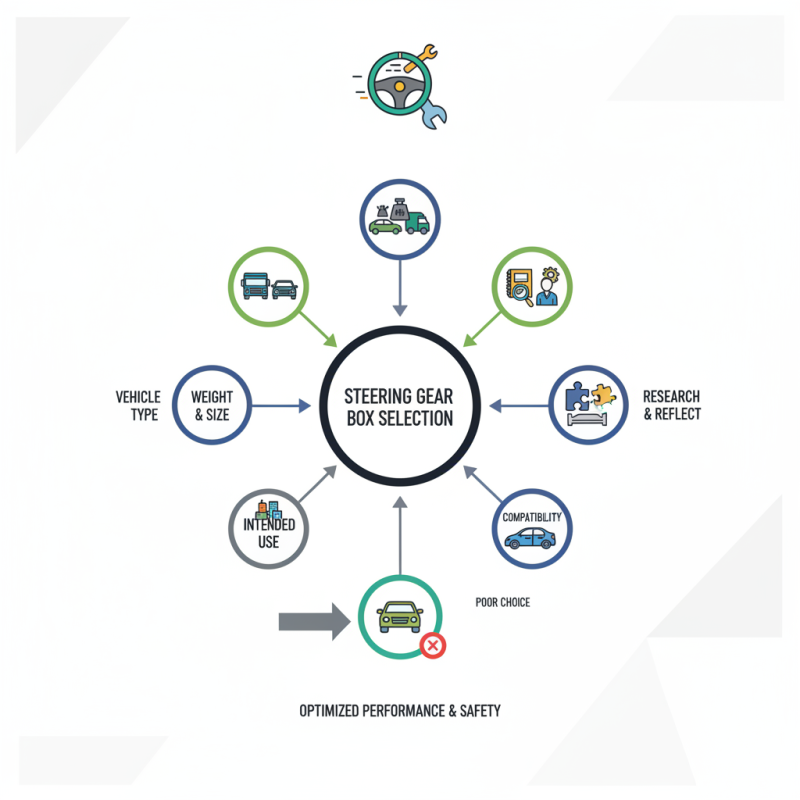
Choosing the right Steering Gear Box is crucial for vehicle performance. It influences handling, safety, and overall driving experience. Every vehicle has unique requirements, making selection a challenging task.
Consider factors like vehicle type, weight, and intended use. A heavy truck won't need the same Steering Gear Box as a compact car. Sometimes, options may seem overwhelming, leading to poor choices. Small mistakes can lead to significant issues later.
Ensure compatibility with your vehicle’s specifications. Take your time to research and reflect on your options. An informed choice helps enhance performance and reliability. Don’t rush; even a simple decision can have lasting impact.
Understanding the Role of the Steering Gear Box in Vehicle Control
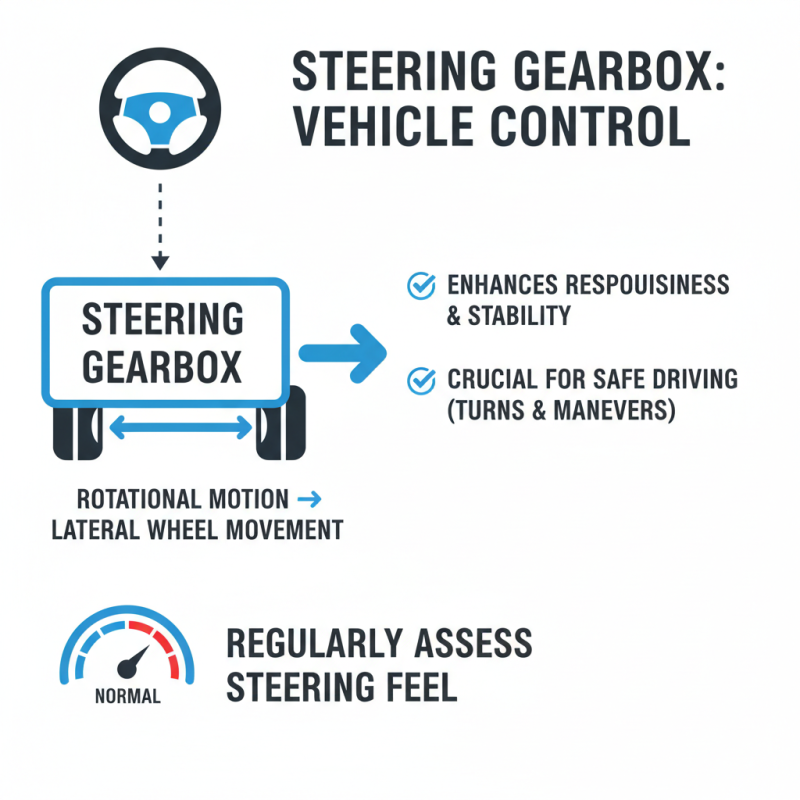
The steering gear box plays a crucial role in vehicle control. It converts the rotational motion of the steering wheel into lateral movement of the wheels. A well-functioning gear box enhances responsiveness and stability. This connection is vital for safe driving, especially during sharp turns or sudden maneuvers. Drivers should assess the steering feel regularly.
Tips: Always listen for unusual sounds when turning the wheel. This could indicate issues in the gear box. Check for any looseness in the steering. A tight feel might signal a problem that needs attention.
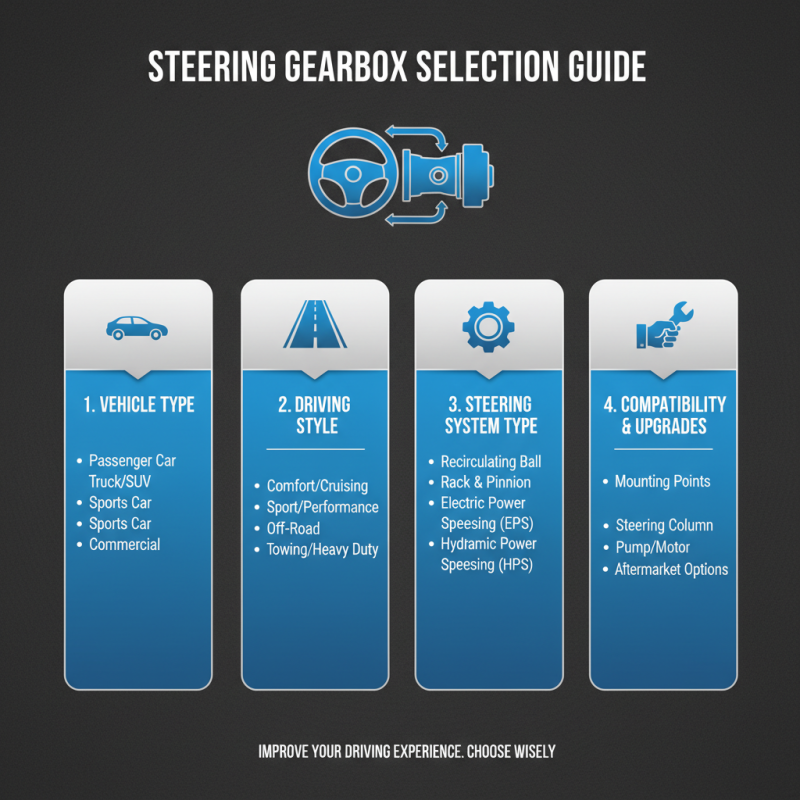
Choosing the right steering gear box involves understanding specifics. The design must match your vehicle type and driving style. Off-road vehicles often require robust gear boxes. Conversely, compact cars may need lighter and more precise control mechanisms. Ensure the selected gear box aligns with your vehicle’s requirements.
Tips: Consult a professional if unsure about compatibility. Reading reviews can also help in decision-making. Reflect on your driving habits and adjust your choice accordingly. You might realize that what works for one driver may not suit another. Each vehicle has unique needs, and so does every driver.
Types of Steering Gear Boxes and Their Applications in Different Vehicles
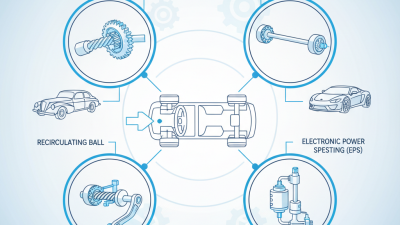
When choosing a steering gear box, understanding the different types is crucial. Each type serves distinct purposes in various vehicles, affecting performance and handling. The most common types are worm and roller, rack and pinion, and recirculating ball systems.
Worm and roller systems are typically used in larger vehicles like trucks and SUVs. They provide durability and strength for heavy loads. On the other hand, rack and pinion systems are more common in passenger cars. These systems offer excellent responsiveness and a precise steering feel. For larger vehicles, recirculating ball systems provide a balance between steering effort and stability, making them a popular choice in mid-size cars and vans.
It's essential to consider how you drive. A sporty coupe may require a rack and pinion for sharp turns. A family SUV needs the stability of a worm and roller. But don't overlook weight and size. Using the wrong box can affect performance. Reflecting on your driving needs will guide your choice; each vehicle demands attention to detail.
Types of Steering Gear Boxes and Their Applications
Key Factors to Consider When Selecting a Steering Gear Box
When selecting a steering gear box for your vehicle, several key factors come into play. Understanding these factors can make a significant difference in your driving experience.
One important factor is compatibility. Ensure the gear box matches your vehicle's make and model. Mismatched components can lead to poor performance. Sometimes, even slight variances can cause issues you might not notice immediately.
Another factor to consider is the type of steering system. Is it power-assisted or manual? Each requires different gear boxes. If you pick an incompatible type, your steering can feel off, which may lead to unsafe driving conditions.
**Tips:** Pay attention to the weight of your vehicle. Heavier vehicles often need sturdier gear boxes. Take note of the terrain you frequently drive on. Different environments may require different steering responsiveness.
Don’t overlook the importance of quality. Cheaper gear boxes may seem attractive, but they can wear out quickly. You might end up spending more on replacements. Think long-term when making your choice. Your vehicle’s handling directly impacts your safety.
Compatibility: Ensuring the Steering Gear Box Fits Your Vehicle Model
When selecting a steering gear box for your vehicle, compatibility is crucial.
It must fit the specific model of your car. The wrong steering gear can lead to poor handling and steering issues.
According to industry reports, over 30% of steering-related problems stem from incompatible components.
This statistic emphasizes the importance of proper fitment.
You should consider both physical dimensions and bolt patterns of your steering box. Vehicles vary significantly in design.
A mismatch can result in installation challenges and safety hazards.
Check manufacturer specifications for the exact gear ratio needed.
A report from the Automotive Research Institute indicates that many drivers overlook this detail, leading to unsatisfactory performance.
It’s also important to review the steering feel you desire. Some vehicles require more responsiveness than others.
A survey by the National Automotive Engineers found that 40% of drivers are dissatisfied with their setup.
This often results from using steering gear boxes not meant for their model. Don't just guess.
Make informed decisions. Compatibility is key for safety and performance.
Professional Installation vs. DIY: Choosing the Right Approach for You
When deciding between professional installation and DIY for steering gear boxes, consider your expertise and resources. Many vehicle owners feel confident in their skills. However, a survey showed that nearly 30% of DIY enthusiasts faced difficulties with complex installations. Common issues include incorrect alignment or inadequate torque settings. Some even lead to safety concerns, as improper installations can affect vehicle handling.
Professional mechanics often have specialized tools and experience. In fact, a report indicated that professionally installed parts are 20% less likely to experience issues. The upfront cost might seem high, but it often leads to long-term savings. Relying on experts can provide peace of mind, especially for intricate parts like steering gear boxes. They can identify potential problems early on, which can prevent costly repairs later.
DIY installations can be rewarding and save money. Yet, they require a significant time investment. You must research the specific gear box and gather all necessary tools. Mistakes can add stress and lead to reinstallation. Reflecting on your own capabilities is crucial. Knowing when to ask for help can ensure your vehicle remains safe and reliable. Always weigh the pros and cons carefully.
How to Choose the Right Steering Gear Box for Your Vehicle?
| Criteria |
Professional Installation |
DIY Installation |
| Cost |
Higher initial expense due to labor costs |
Lower cost, only parts required |
| Time |
Quick turnaround, typically completed in a few hours |
Time-consuming, can take a day or more |
| Skill Level Required |
No special skills needed, professional expertise |
Requires mechanical skills and experience |
| Warranty |
Labor and parts often covered |
Limited warranty, depends on parts only |
| Tools Required |
Not applicable, tools provided by professional |
Specialized tools may be necessary |
| Overall Accessibility |
Easier for those without experience |
Challenging for beginners |