Leave Your Message

How to Choose Mitsubishi Steering Boxes for Global Buyers?

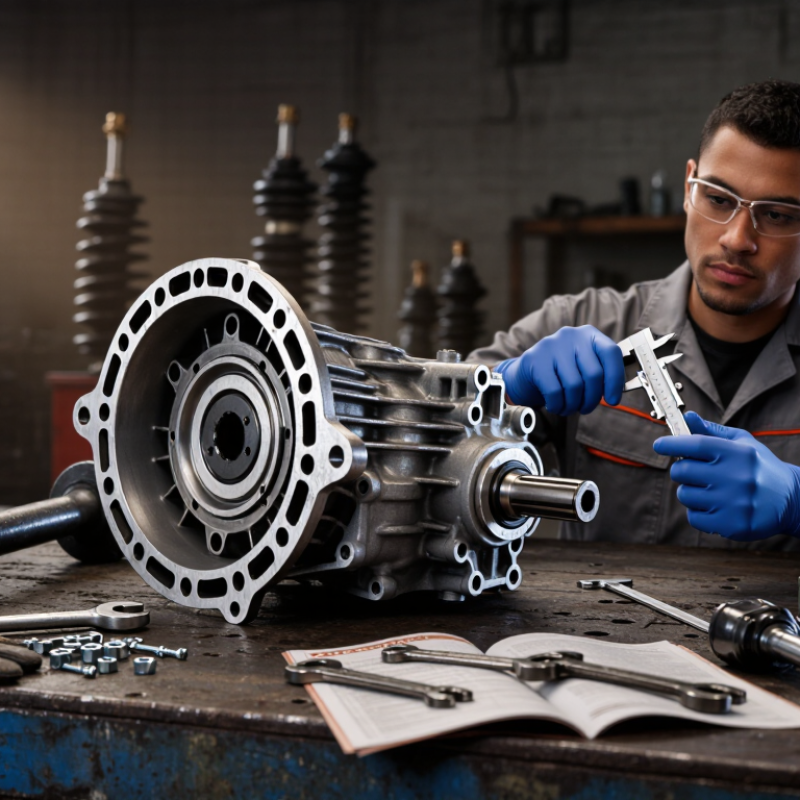
Choosing Mitsubishi Steering Boxes for global buyers requires more than matching a part number. The correct unit must suit the vehicle platform, steering ratio, mounting points, road conditions, and workshop capability. A box that fits visually may still create excessive free play, uneven return, or poor straight-line control. Small differences matter.

The World Health Organization reports that road traffic injuries cause approximately 1.19 million deaths annually. Steering reliability therefore deserves engineering attention, not guesswork. Meanwhile, OICA recorded more than 93 million motor vehicles produced worldwide in 2023, showing the scale and diversity of replacement demand. Grand View Research also identifies continued growth in global automotive steering-system markets, driven by vehicle electrification, safety expectations, and aftermarket renewal. These reports provide useful direction, although they do not replace vehicle-level inspection.

Dr. Peter Holdmann, a recognized ZF steering-systems executive, has described modern steering development as a balance between “safety, comfort, and precise vehicle control.” That balance is equally relevant when evaluating Mitsubishi Steering Boxes for export markets. Buyers should verify casting numbers, spline dimensions, input-shaft position, seal condition, and supplier traceability. Think of a dusty workshop, a worn pitman arm, and a vehicle carrying heavy cargo across uneven roads. The specification must survive that reality.

Some decisions remain imperfect. Catalog data can be incomplete. Regional vehicle variations can mislead even experienced purchasers. A reliable selection process combines manufacturer references, measured dimensions, application history, and documented quality checks. Price matters, but steering failure costs more.
How to Choose Mitsubishi Steering Boxes for Global Buyers?

Understanding Mitsubishi Steering Box Types and Applications

Steering box types determine how a vehicle behaves under load, on rough roads, and during tight turns. Recirculating-ball boxes suit heavy trucks, buses, and utility vehicles because they tolerate high steering forces. Worm-and-roller designs can offer dependable mechanical control in lighter applications. Manual boxes remain useful where hydraulic support is unavailable. Hydraulic-assisted units reduce driver effort, especially with large tires or frequent low-speed maneuvering. Electric-hydraulic systems may fit newer platforms, but their wiring and control requirements need careful checking.

Global buyers should match the box with the vehicle’s axle load, steering ratio, mounting pattern, input shaft, and pitman arm position. Left-hand and right-hand drive layouts can require different housings. Check pressure ratings, seal materials, operating temperature, and corrosion protection before ordering. A supplier should provide dimensional drawings, test records, and traceable part information. In practice, measuring the old unit often reveals worn splines or altered brackets. Small differences matter. A box that looks identical may still produce poor return-to-center performance. Road conditions also influence the choice: dust, standing water, steep grades, and extreme cold expose weak seals quickly. Compatibility charts help, but they are not perfect. I would verify the ratio and mounting points with a qualified technician before installation, because catalog descriptions sometimes leave important details unclear.
Identifying the Correct Model, Part Number, and Vehicle Compatibility

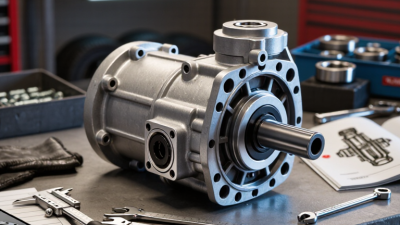
Choosing a steering box for an international vehicle requires more than matching an online photograph. The correct model depends on the chassis code, production year, steering position, engine layout, and suspension design. A left-hand-drive unit may not fit a right-hand-drive vehicle, even when both housings look identical. Check the original identification plate before ordering.

The part number remains the strongest reference. Compare every letter, suffix, and revision mark with the vehicle’s service records. Confirm the input shaft shape, mounting-hole spacing, pitman-arm position, and hydraulic-line ports. Measure carefully. A difference of only a few millimeters can prevent proper installation. Supplier catalogs are useful, but older catalogs sometimes contain incomplete or repeated numbers.

Vehicle compatibility should also include operating conditions. Commercial vans, passenger cars, and light trucks can use different steering ratios and internal valve settings. Ask for confirmation using the VIN, chassis number, and photos of the old unit. I have seen buyers rely on the year alone, then discover incompatible fittings during installation. That mistake is expensive and avoidable. A remanufactured box may require different seals or fluid specifications, so inspect its test report and warranty terms. Keep records of all measurements. Even experienced buyers can miss a small detail when regional specifications vary.

How to Choose Mitsubishi Steering Boxes for Global Buyers? - Identifying the Correct Model, Part Number, and Vehicle Compatibility

Identification Dimension Required Information How to Verify Compatibility Risk if Incorrect Buyer Action
Vehicle identification Model series, production year, body type, engine, and drive layout Compare the vehicle registration documents, identification plate, and service records A similar-looking steering box may have different mounting or steering geometry Record the complete vehicle description before requesting a quotation
Vehicle identification number Complete VIN or chassis number Read the VIN from the vehicle plate, windscreen, frame, or registration documents A model name alone may cover several steering-box revisions Use the VIN as the primary reference for final compatibility confirmation
Steering position Left-hand drive or right-hand drive Check the steering wheel position and confirm the original box orientation The input shaft, pitman-arm position, and mounting arrangement may be different Do not accept an alternative steering position without written confirmation
Steering-assist type Hydraulic, electric, electro-hydraulic, or manual steering system Inspect the existing unit for hydraulic ports, electrical connectors, or the absence of assist components The replacement may not connect to the vehicle’s steering system Match the assist type exactly; do not treat a manual unit as a hydraulic substitute
Original part number Complete number, including prefixes, suffixes, revision marks, and punctuation Photograph the identification label, stamped number, or casting mark on the removed unit One missing suffix can indicate a different ratio, port layout, or production revision Send clear photos of every visible number before ordering
Replacement part number Exact replacement number and any documented supersession number Confirm the supersession through a reliable parts catalogue or technical service record An unverified cross-reference may fit physically but operate incorrectly Require written evidence when an alternative number is proposed
Mounting configuration Mounting-hole pattern, bracket orientation, and fastener arrangement Compare photographs, technical drawings, and measured hole spacing with the original unit Incorrect mounting can cause misalignment, vibration, or unsafe installation Request a dimensioned drawing when the original unit is unavailable
Input shaft interface Shaft profile, spline or flat arrangement, diameter, and connection style Compare the input shaft with the steering intermediate shaft and measure the original component The steering column may not connect securely or may have excessive play Match the complete interface, not only the outside housing
Output shaft and pitman arm Output-shaft profile, arm position, retaining method, and arm orientation Compare the original pitman arm and output shaft before removal Incorrect geometry can alter steering travel and wheel alignment Confirm whether the unit is supplied with or without the pitman arm
Hydraulic connections Number, location, thread type, port orientation, and hose routing Compare the port layout and fittings with the original steering box Incorrect ports can cause leakage, hose interference, or loss of steering assistance Ask for port photographs and fitting specifications before shipment
Steering ratio and travel Steering ratio, lock-to-lock travel, and centre position Use the technical specification or compare the original unit during bench inspection A different ratio may affect steering response and wheel-lock limits Treat ratio and travel as mandatory checks for commercial or heavy vehicles
New, remanufactured, or used condition Unit condition, testing standard, seal status, and warranty terms Review the inspection report, pressure-test result, and warranty document A visually clean used unit may still have internal wear or leakage Specify the required condition and acceptance criteria in the purchase order
Final compatibility status Confirmed, conditionally compatible, or not confirmed Base the decision on VIN, exact part number, dimensions, interfaces, and steering position Installing an unconfirmed steering component creates a safety-critical risk Do not order until all mandatory fields are confirmed in writing

Safety note: Steering boxes are safety-critical components. Vehicle compatibility should be confirmed using the complete VIN or chassis number, the exact original part number, and a physical comparison of all mounting and shaft interfaces.

Comparing New, Rebuilt, and Used Steering Box Options

For global buyers, the steering box choice depends on vehicle age, duty cycle, and delivery risk. S&P Global Mobility reported that the average U.S. light vehicle age reached 12.6 years in 2024. Older fleets often need cost control, but steering components demand careful verification. Check the casting number, spline count, mounting pattern, steering ratio, and left- or right-hand-drive position. A small mismatch can create serious installation delays.

A new steering box offers the cleanest reliability path. It usually includes fresh seals, bearings, and factory-set clearances. However, availability and price can become difficult for older applications. A rebuilt unit can reduce cost while restoring worn internal parts. The Automotive Aftermarket Suppliers Association has reported continued growth in replacement demand as vehicles remain in service longer. Rebuilding quality varies, though. Ask for bench-testing evidence, measured backlash, and warranty terms. “Rebuilt” is not a universal quality grade.

A used unit may be the fastest option for a discontinued vehicle. It can also carry hidden wear from poor alignment, contaminated fluid, or heavy loading. Inspect the input shaft for rust and uneven rotation. Look for fluid staining around the sector shaft seal. The Remanufacturing Industries Council notes that remanufacturing can reduce material and energy use compared with producing replacement parts, but results depend on process control. I would not choose solely by price. That shortcut sometimes fails. A practical decision matrix should compare tested condition, traceability, warranty coverage, shipping time, and return handling across borders.

Evaluating Quality, Certification, and Supplier Reliability

Choosing a steering box for international use requires more than checking price and appearance. Quality begins with accurate application data, including vehicle model, production year, drive layout, and mounting position. A small mismatch can create uneven steering or premature wear.

Inspect the casting, shaft splines, seals, and adjustment screw before installation. Ask for measurable test records, not general promises. Useful evidence includes backlash readings, pressure-test results, leak inspections, and batch traceability. Certification also deserves careful attention. A supplier may present an ISO certificate, but buyers should verify its scope, validity, and issuing body. Factory quality systems matter, yet they cannot replace product-level testing.

Supplier reliability appears during difficult conversations. Can the supplier explain tolerance limits, replacement procedures, and storage conditions clearly? Can they provide samples from the same production process? Stable packaging is important too. Each box should resist moisture, impact, and rough handling during long transport. I would also request photos of labels and serial records before shipment.

Be cautious with perfect claims. A polished certificate does not guarantee consistent steering boxes. I have found that response speed can hide weak technical support. That detail is easy to miss. Independent inspection may add cost, but it can reveal loose fittings, incorrect ratios, or damaged seals before dispatch. Keep written records of specifications, approvals, test results, and warranty terms. A dependable supplier accepts these checks without becoming defensive.

How to Choose Steering Boxes for Global Buyers?

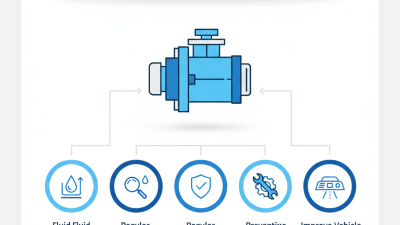
Recommended evaluation priorities based on quality control, certification evidence, product fit, and supplier reliability.

Use this screening model to compare suppliers consistently. Certification should be verified for scope and validity, while product quality should be confirmed through dimensional checks, leakage testing, backlash inspection, material traceability, and documented quality records.

Planning Global Shipping, Installation, and After-Sales Support

For global buyers, selecting a steering box involves more than matching a part number. Confirm the vehicle model, production year, drive position, gear ratio, mounting pattern, and shaft dimensions. Ask the supplier for a dimensional drawing and clear photos before payment. In field installations, a few millimeters can delay fitting. Export packaging also matters. A sealed inner bag, corrosion protection, shock-resistant foam, and a strong wooden case reduce damage during transport. Request carton dimensions and gross weight early. These details affect freight quotes, customs paperwork, and warehouse handling.

Plan installation before the unit leaves the factory. Provide the mechanic with torque requirements, fluid guidance, alignment checks, and adjustment limits. A local technician should inspect the pitman arm, hoses, brackets, and steering linkage first. Reusing worn parts can make a new box appear defective. Keep the serial number, inspection record, packing photos, and installation date. These details support a fair warranty review. Written instructions may not fit every market. Road conditions, workshop tools, and technician experience vary. A video call during installation can prevent an expensive mistake.

Tips: Choose suppliers offering trackable shipping and realistic delivery windows. Confirm whether duties, insurance, and last-mile delivery are included. Keep one approved seal kit locally when practical. Test steering play and return-to-center behavior after installation. Record unusual noise immediately. Do not force adjustment screws. A small issue can become a safety problem. After-sales support should include technical contact, replacement-part guidance, and a documented escalation process. Some plans look complete on paper, but fail when time zones intervene. Check response times before ordering.