How to Choose the Right Box Steering for Your Vehicle Needs?
When choosing the right Box Steering for your vehicle, it's essential to consider various factors. Box Steering systems offer distinct advantages, such as improved control and easier handling. Yet, many drivers overlook specific preferences and requirements.
The type of vehicle you own plays a crucial role in your Box Steering selection. For example, a compact car may not benefit from the same system as a large SUV. It’s important to match the steering system to your driving style and needs. Many drivers mistakenly choose based solely on brand reputation, which can lead to dissatisfaction.
Think about your typical driving conditions, too. Off-road enthusiasts might require a more rugged Box Steering system. On the other hand, city drivers may prioritize smooth turns and responsiveness. Reflecting on these needs helps in making an informed decision. Selecting the right Box Steering is not just about performance; it’s about enhancing your overall driving experience.
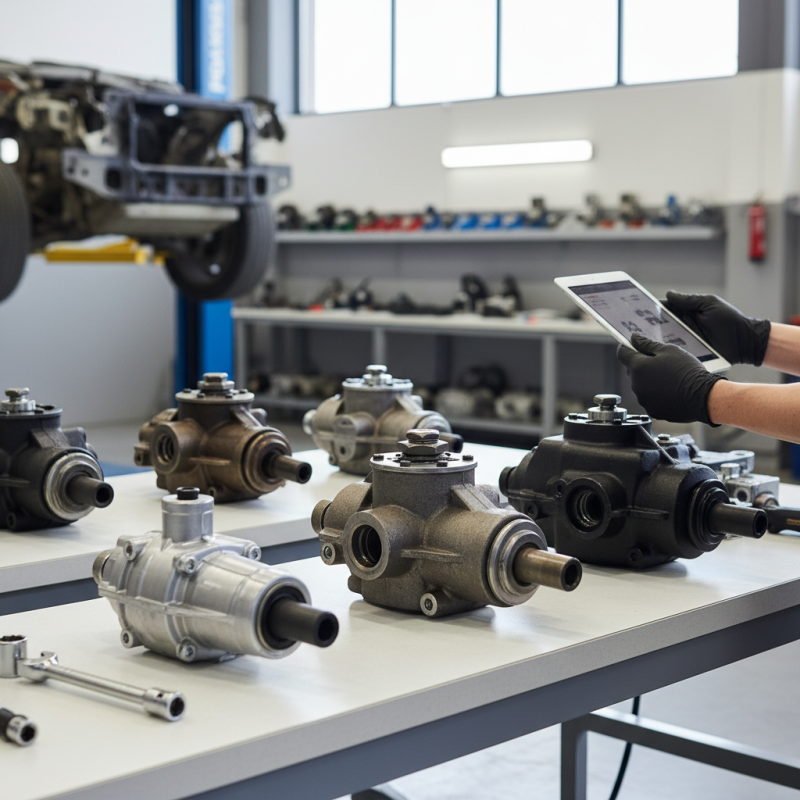
Understanding Box Steering: Definition and Functionality
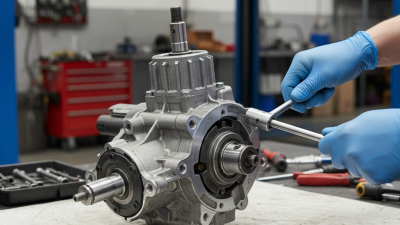
Box steering systems play a crucial role in vehicle functionality. They translate the driver’s input into wheel movement. Essentially, this system consists of a box that houses gears and a linkage connected to the steering wheel. When the driver turns the wheel, the gears engage, allowing for better handling and control.
A few tips when considering box steering: Look for systems that suit your driving style. If you enjoy a sportier feel, opt for tighter gear ratios. This can enhance responsiveness. On the other hand, if comfort is your priority, choose a system with wider ratios. It’s all about balancing performance with comfort for your needs.
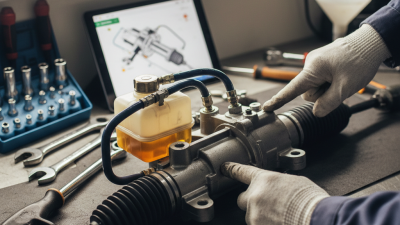
Another crucial element is maintenance. Regular checks can prevent issues. Pay attention to any unusual sounds or stiffness when steering. These can indicate wear or alignment problems. Replacing components timely can save money down the road. Remember, taking care of your box steering system ensures a safe driving experience.
How to Choose the Right Box Steering for Your Vehicle Needs?
| Vehicle Type |
Steering Type |
Compatibility |
Advantages |
Considerations |
| Sedan |
Standard Box Steering |
Most sedans |
Good maneuverability |
Limited off-road capability |
| Pickup Truck |
Power Box Steering |
Most pickups |
Enhanced steering effort |
Weight adds to fuel consumption |
| SUV |
Hydraulic Box Steering |
Most SUVs |
Better load handling |
Maintenance requires skill |
| Off-Road Vehicle |
Heavy-Duty Box Steering |
Off-road vehicles |
Superior control on rough terrain |
Can be expensive |
| Compact Car |
Electric Box Steering |
Smaller vehicles |
Fuel-efficient steering |
Less feedback on handling |
Key Factors in Selecting Box Steering for Vehicles
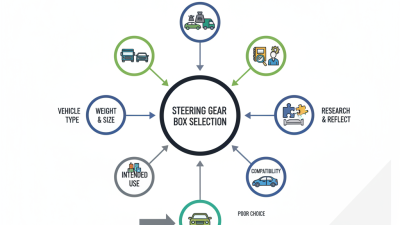
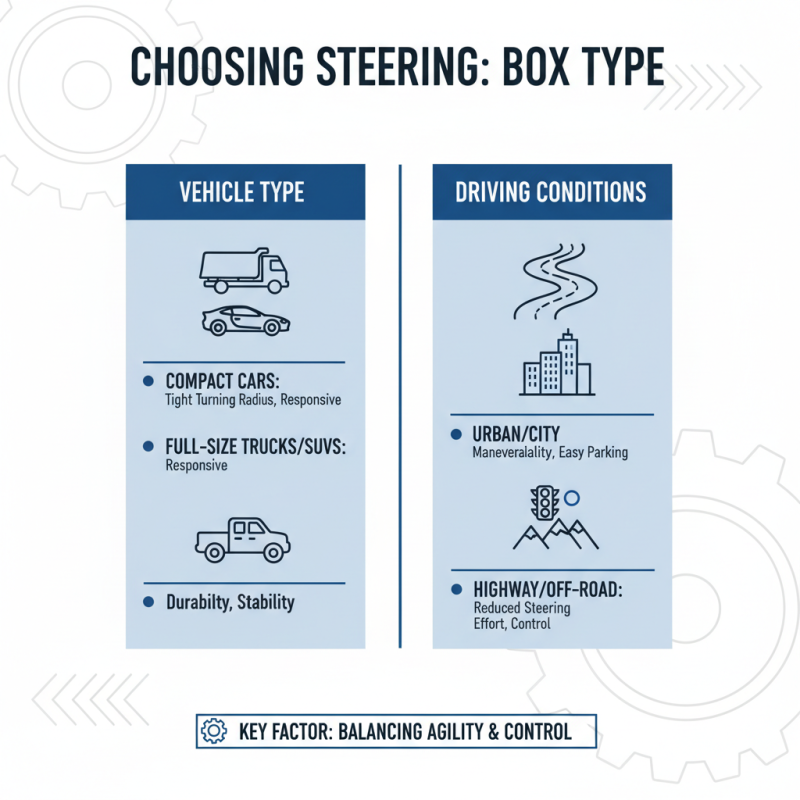
When choosing the right box steering for your vehicle, consider several key factors. The type of vehicle significantly influences your selection. A compact car may need a different steering system than a full-sized truck. Think about the driving conditions as well. If you often drive in urban settings, a tight turning radius can be crucial.
Another essential aspect is the steering ratio. A lower ratio provides quicker responses, perfect for sports cars. For larger vehicles, a higher ratio often offers smoother and more stable handling. Don't overlook the potential for customization either. Some vehicles can benefit from aftermarket modifications, allowing for improved performance.
Budget also plays a role in your choice. Steering systems vary widely in price. Setting a budget can help narrow your options. Invest in quality components, but be cautious not to overspend on features you might not need. Research and weigh your options thoroughly. Each vehicle has unique needs, and the right box steering can greatly enhance your driving experience.
Evaluating Vehicle Type and Steering Requirements
When selecting a box steering system, understanding your vehicle type is crucial. Different vehicles require distinct steering dynamics. For example, light trucks often benefit from quicker steering responses, while larger vehicles may need a more stable setup. According to the National Highway Traffic Safety Administration, vehicle weight and size significantly influence steering requirements. Failure to match these can lead to handling issues.
Consider your driving style and conditions. Off-road vehicles typically demand robust steering to handle rugged terrain. Sedans prioritize comfort and precision. A study from the Society of Automotive Engineers shows that mismatched steering can result in poor vehicle performance and increased wear on components. Many drivers overlook this aspect, not realizing how it impacts safety.
Installation and maintenance also play a role. While some systems may seem easy to install, they can be complex. Improper installation can void warranties or lead to failures. According to automotive experts, 30% of DIY installations fail to meet safety standards. Reflect on your options; don't rush the decision. Choosing the right box steering might save you headaches in the long run.
Assessing Durability and Performance Specifications
When choosing the right box steering for your vehicle, durability and performance specs are crucial. Many factors influence these aspects. Material quality plays a significant role. High-strength steel or aluminum can enhance longevity. Look for components that resist wear and tear, especially if you drive in challenging conditions.
Examining performance specifications is equally important. Consider features like steering ratio and responsiveness. A higher gear ratio may offer better handling in tight spaces. However, it might not be ideal for high-speed driving. Test different setups to see how they align with your driving style.
Investing time in research can save headaches later. Analyze user reviews and experiences to gauge real-world performance. While some options may seem appealing, they might fall short in actual use. Balancing durability and performance requires careful thought and sometimes trial and error. Don't rush the process; it can impact your driving experience significantly.
Comparing Costs and Benefits of Different Box Steering Options
When considering box steering options for your vehicle, cost and benefits matter. You may find various types available. Each has unique advantages and drawbacks.
Traditional mechanical systems can be less expensive. They offer a straightforward and reliable solution. However, they may lack the responsiveness and feel desired by some drivers.
Hydraulic systems provide enhanced control. Still, they often come with a higher price tag and maintenance costs.
Tips for effective decision-making:
- Consider your driving style. Do you prioritize comfort or sportiness? This can guide your choice.
- Evaluate the conditions your vehicle faces. If you drive in harsh environments, durability is key.
- Look into installation costs. Sometimes, a cheaper box steering can lead to higher installation bills.
Another aspect to ponder is feedback. Good systems deliver precise steering feel. But some cheaper options may not offer this. A lack of feedback can lead to poor handling. It can create a disconnect between the driver and the road.
Weighing these factors can help ensure you make a well-informed choice for your vehicle.