How to Choose the Right Car Steering Box for Your Vehicle?
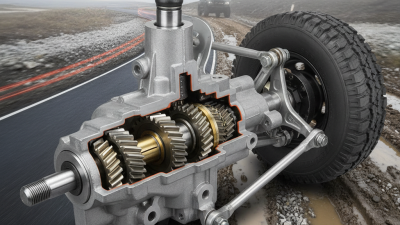
When it comes to vehicle performance, the Car Steering Box plays a vital role. Selecting the right one can enhance your driving experience significantly. Many drivers overlook this component, focusing instead on aesthetics or engine power. However, a poor choice can lead to handling issues and even safety risks.
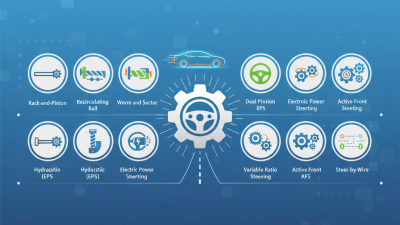
Understanding the types of Car Steering Boxes available is crucial. From rack and pinion to recirculating ball designs, each has its own advantages and disadvantages. For example, a rack and pinion system provides quick, responsive steering but may lack the feel of a traditional setup. Choosing the wrong type can make your vehicle feel uncomfortable or unresponsive.
You may feel overwhelmed by the options. After all, the Car Steering Box connects you directly to the road. It's essential to consider factors such as your driving style, vehicle weight, and intended use. A little research and reflection can lead to a more informed decision. Investing time in this process could lead to better handling and enhanced safety on the road.
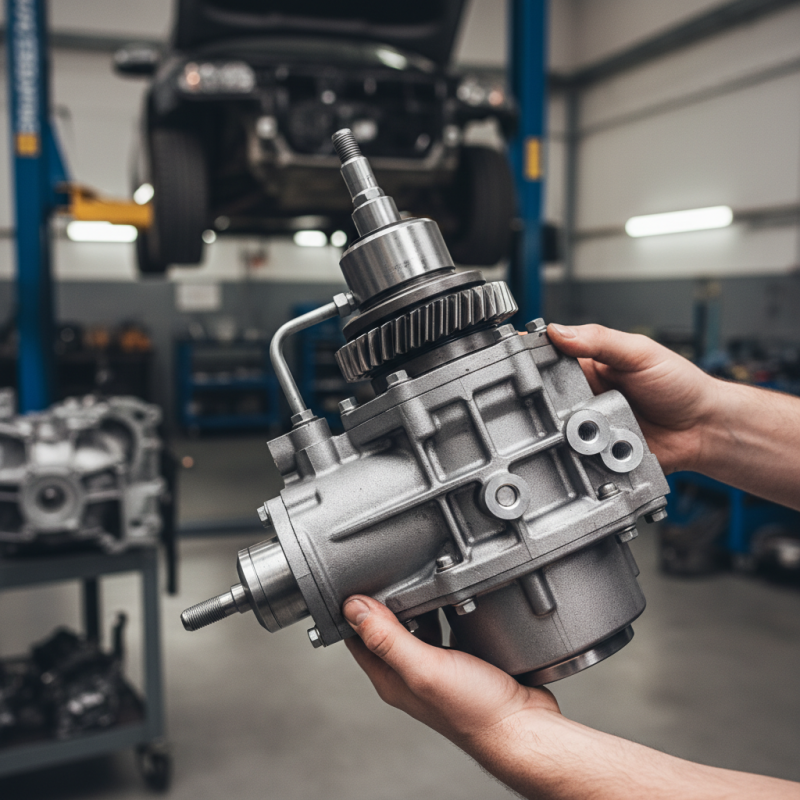
Factors Influencing Steering Box Selection for Different Vehicle Types
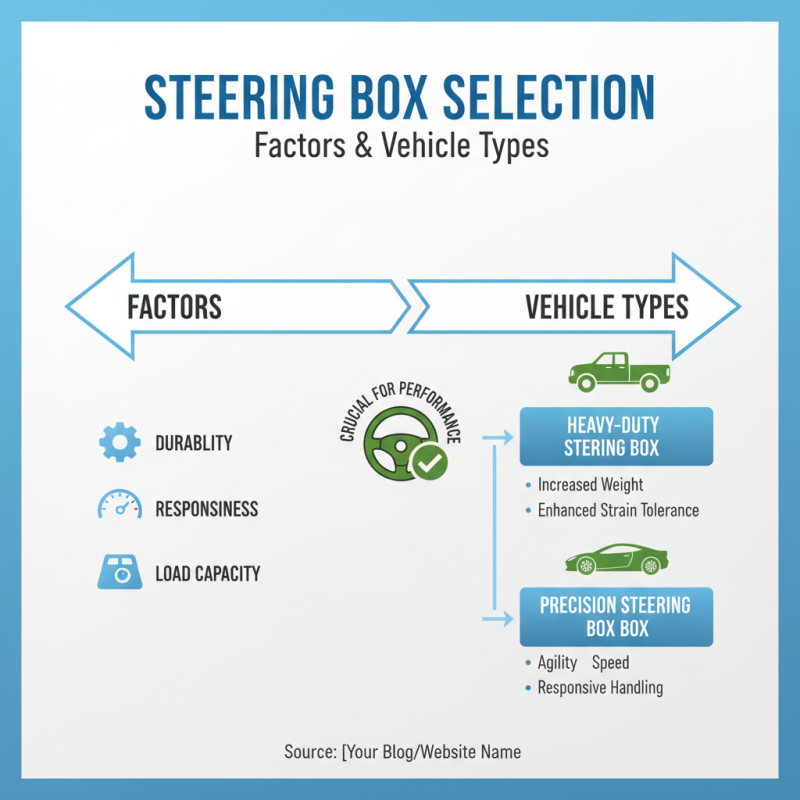
Choosing the right car steering box is crucial for vehicle performance. Various factors come into play here. Vehicle type significantly influences this selection. For instance, trucks usually require heavy-duty steering boxes due to their weight and load capacity. These boxes tend to offer more durability and responsiveness under strain.
Car performance is affected by steering precision. Sports cars often use quick-ratio steering boxes. These enhance agility, helping drivers navigate sharp turns with ease. On the other hand, larger SUVs may need a different approach. Stability is essential for these vehicles, so a slower steering ratio can provide better control at high speeds.
It’s important to consider the driving conditions as well. Off-road vehicles demand steering boxes that can withstand rough terrain. However, even on well-paved roads, a mismatch can result in an uncomfortable ride. Approach this decision thoughtfully. Gather information from reliable sources, and reflect on your specific needs.
Understanding Rack and Pinion vs. Recirculating Ball Steering Systems
When choosing a steering box, understanding rack and pinion versus recirculating ball systems is crucial. Rack and pinion setups are prevalent in modern vehicles, offering better responsiveness and lighter weight. According to the Automotive Engineering Institute, about 70% of new cars are equipped with this system. It provides a direct steering feel, translating driver input with precision. The simplicity of rack and pinion systems typically results in lower maintenance costs.
On the other hand, recirculating ball steering systems are often found in larger vehicles, such as trucks and SUVs. They are known for their durability and ability to handle heavy loads. However, they can feel less responsive compared to their rack and pinion counterparts. A study by the National Highway Traffic Safety Administration reported that vehicles with recirculating ball systems often require more effort when steering, which can be a consideration for daily drivers.
Tips: When selecting a steering box, consider your vehicle's primary use. If you prioritize agility and efficiency, rack and pinion might be your best bet. However, if you need strength and stability, recirculating ball could be preferable. Also, think about replacement costs. Some systems may need more frequent service. Choose wisely based on your driving style and vehicle requirements.
Evaluating Steering Response and Feel: Key Performance Metrics
When choosing a car steering box, steering response and feel are critical metrics to assess. These elements greatly influence how your vehicle handles on the road. A steering box that offers precise feedback gives drivers confidence. It can enhance your experience while driving. Poor steering response can lead to discomfort and compromise safety.
Tips for evaluating steering feel include test driving the vehicle. Pay attention to how quickly the steering responds. Is there any play in the wheel? Can you gauge the road surface through the steering? Taking notes during this process can be invaluable. Remember that personal preference plays a big role. Some drivers prefer tight steering, while others enjoy a looser feel.
Another significant factor is the adjustment of the steering box. Ensure it’s set according to your driving style. Misalignment can result in a lack of responsiveness. Be aware that modifications may be necessary as you personalize your vehicle. Test different setups to understand what works best for you.
Evaluating Steering Response and Feel: Key Performance Metrics
Material Durability and Its Impact on Steering Box Longevity
When selecting a steering box, material durability plays a crucial role. The materials used can significantly affect the lifespan of the steering box. Common materials include aluminum and cast iron. While aluminum is lightweight and corrosion-resistant, it may not withstand high-stress situations. Cast iron, though heavier, offers better impact resistance and longevity under tough conditions.
It's important to consider how these materials handle wear and tear. A poorly constructed steering box made from low-quality materials can lead to premature failure. This can result in costly repairs down the road. Drivers often only become aware of issues when steering performance diminishes. Regular inspections can help catch these problems early but can’t replace the need for quality materials.
Choosing a steering box isn’t merely about cost. Thoughtful investment in durable materials brings long-term benefits. Ideal steering boxes endure rough driving conditions. They maintain precise control over the vehicle. Inadequate material selection, however, may lead to a frustrating driving experience. It is essential to analyze materials carefully and make informed decisions.
Compatibility Checks: Ensuring Proper Fitment with Vehicle Models
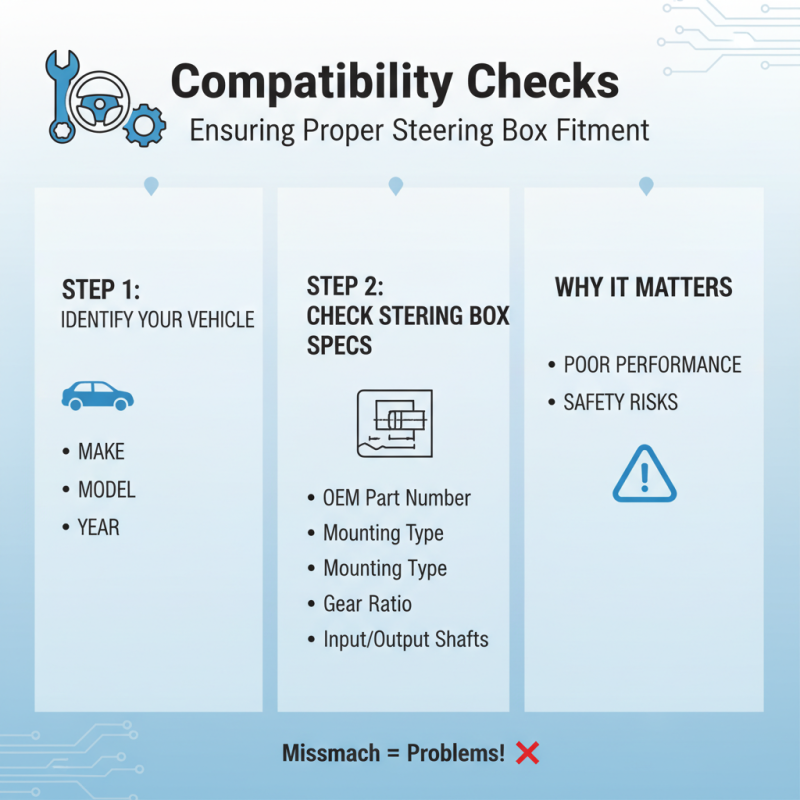
When selecting a steering box, compatibility is crucial. Each vehicle model has specific requirements. A mismatch can lead to poor performance or even safety issues. Begin by checking your vehicle's make, model, and year. Specifications often vary significantly between models.
Next, consult the manufacturer’s recommendations for steering gear. Documentation can provide vital information. In some cases, aftermarket parts may not fit as expected. That can create problems during installation. Also, pay attention to mounting points and input shaft sizes. These small details can make a big difference.
Finally, consider seeking expert advice. Mechanic insights may highlight potential pitfalls. They can share experiences about others who faced similar compatibility challenges. Remember, taking risks with fitment may lead to costly repairs. Ensure you have tested and verified every part before proceeding. Doing so builds a foundation for a safe and reliable driving experience.