Leave Your Message

Why Choose the Right Steering Box for Your Vehicle?

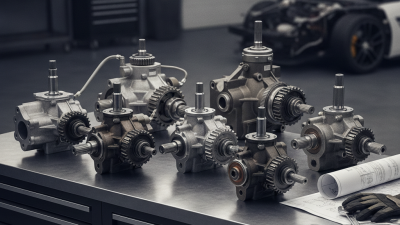
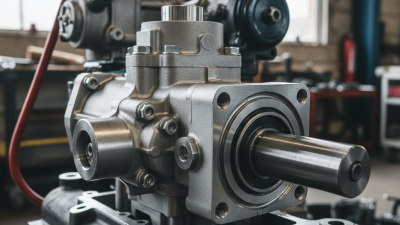
When a vehicle feels loose, heavy, or unpredictable in a turn, the Steering Box deserves careful attention. This component transfers movement from the steering wheel to the road wheels. Its condition affects control, comfort, and driver confidence. A worn unit may create excessive play, uneven response, or knocking sounds near the front axle. Small symptoms can become serious distractions.

Fit matters more than appearance. A replacement Steering Box must match the vehicle’s model, steering system, mounting points, shaft design, and pressure requirements. Experienced technicians check these details before installation. They also inspect pitman arms, tie rods, hoses, and fluid condition. A new box cannot correct every steering problem. That mistake is surprisingly common.

Choose a component from a traceable manufacturer or reputable supplier. Clear specifications, testing information, warranty support, and professional guidance provide useful assurance. Remanufactured units can work well when rebuilding standards are documented and tolerances are controlled. Cheap parts may look attractive. They may also hide poor seals or inaccurate adjustment.

Road conditions matter too. Heavy loads, potholes, corrosion, and frequent towing can accelerate wear. A driver who notices wandering should avoid guessing and arrange a qualified inspection. No shortcut replaces diagnosis. I have learned that even a careful checklist can miss a damaged mounting bracket or bent linkage. That is why the right choice combines verified compatibility, realistic driving needs, and expert judgment. A well-selected Steering Box should restore predictable movement, not merely remove one troubling noise.
Why Choose the Right Steering Box for Your Vehicle?

Steering-Box Basics: Rack-and-Pinion Versus Recirculating-Ball Designs

Why Choose the Right Steering Box for Your Vehicle?

Steering-Box Basics: Rack-and-Pinion Versus Recirculating-Ball Designs

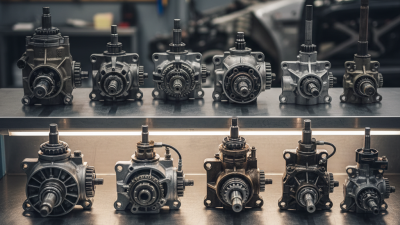
Choosing the right steering system begins with understanding how it moves the wheels. A rack-and-pinion unit uses a small pinion gear to move a straight, toothed rack. This design feels direct and compact. It often suits cars with independent front suspension and gives the driver clear road feedback. A recirculating-ball steering box uses a worm gear, ball bearings, and a sector shaft. It handles heavy loads well. This layout remains common in trucks, larger utility vehicles, and solid-axle applications.

The correct choice depends on more than physical size. Check the mounting points, input-shaft shape, steering ratio, and linkage arrangement. A rack system connects directly to tie rods, while a steering box usually operates a pitman arm. Power assistance must also match the vehicle’s hydraulic or electric setup. I once assumed two units were interchangeable because their housings looked similar. They were not. Even a small difference in ratio changed steering response and turning effort. That was a useful mistake, but not one to repeat on a road-going vehicle.

Watch for looseness, uneven tire wear, delayed response, or fluid leakage. These symptoms can involve the steering gear, suspension, or alignment. A qualified technician should inspect the complete system before replacement. After installation, correct torque settings and a professional wheel alignment matter. The steering may feel improved immediately, yet careful testing still reveals issues. Fresh parts cannot correct worn tie rods or damaged mounting points.
Fitment Checks: OE Part Numbers, Gear Ratios, Splines, Mounts, and SAE Data

Why Choose the Right Steering Box for Your Vehicle?

Choosing the right steering box begins with fitment, not appearance. A clean housing can still be wrong for your vehicle. Check the OE part number against the vehicle’s year, engine, chassis, and steering configuration. Small production changes can affect compatibility. Confirm the gear ratio as well. A quick-ratio box may feel sharper, while a slower ratio can offer smoother control during parking.

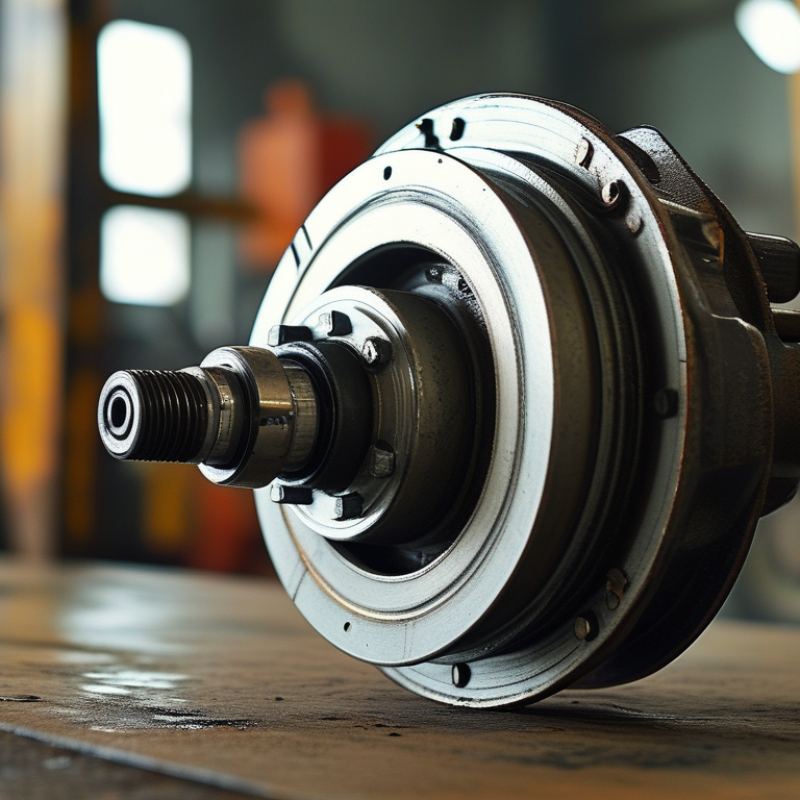
Inspect the input and output splines carefully. Count the teeth, measure the diameter, and compare the shaft profile. Never assume similar-looking splines will connect safely. Mounting points also matter. Check bolt spacing, housing orientation, pitman-arm position, and clearance around the frame. SAE data can support these checks by showing test methods, load ratings, and dimensional requirements. I once trusted a matching housing shape and missed a different shaft spline. That mistake was avoidable.

Tips: Use the OE number as your starting point, not your only proof. Record measurements before ordering. Compare technical drawings when available. Check the ratio under the same measurement conditions. Ask for spline details in writing. A part can be listed as “compatible” yet require a different coupler or mounting bracket. Leave room for uncertainty, especially with older vehicles and modified steering systems.

Why Choose the Right Steering Box for Your Vehicle? - Fitment Checks: OE Part Numbers, Gear Ratios, Splines, Mounts, and SAE Data

Fitment Dimension What to Verify Typical Reference Data Why It Matters Recommended Evidence
Vehicle Identification Model year, body style, engine, drive layout, steering position, and suspension configuration. The same vehicle model may use different steering boxes across production years or chassis variants. Prevents installation of a visually similar but incompatible steering gear. Vehicle identification label, registration data, service manual, and original component photos.
OE Part Number Cross-Check Compare the complete original equipment number, including suffixes, revision letters, and casting references. A part-number match is stronger evidence than appearance alone; suffixes can indicate different ratios, mounting patterns, or valve specifications. Reduces the risk of incorrect internal calibration or physical mismatch. Readable identification plate, stamped number, catalog cross-reference, and verified interchange data.
Steering Gear Type Confirm whether the vehicle uses a recirculating-ball steering box, rack-and-pinion assembly, or another steering mechanism. Recirculating-ball boxes are commonly used in heavier-duty applications, while rack-and-pinion systems are common in many passenger vehicles. Different steering architectures are not interchangeable without major system changes. Original assembly inspection and chassis service documentation.
Steering Gear Ratio Check the specified lock-to-lock turns, steering ratio, and whether the ratio is constant or variable. Many manual and hydraulic steering boxes use approximately 3 to 5 turns lock-to-lock; exact values are vehicle-specific. A lower numerical ratio can provide quicker response, while a higher numerical ratio generally provides more steering effort reduction and control. Manufacturer specification, steering-wheel travel measurement, or calibrated bench-test report.
Input Shaft Splines Count the splines and measure shaft diameter, spline major diameter, minor diameter, and engagement length. Spline counts and dimensions vary widely; visual similarity is not sufficient for fitment confirmation. An incorrect input spline can prevent the steering coupler from seating securely and may create dangerous backlash. Spline gauge, vernier caliper, technical drawing, and original coupler comparison.
Output Shaft and Pitman Interface Verify output-shaft spline count, diameter, sector-shaft length, thread size, and pitman-arm clocking. Pitman-arm interfaces may differ in spline geometry, indexing, and retaining-nut specifications. Incorrect engagement or clocking can alter steering travel and compromise joint retention. Dimensional drawing, spline measurement, installation manual, and correct retaining hardware.
Mounting Pattern Measure mounting-hole count, hole diameter, center-to-center spacing, flange thickness, and mounting orientation. Common steering-box layouts use two- or three-point mounting, but hole spacing and offsets are not universal. A mounting mismatch can cause structural loads, frame interference, or improper shaft alignment. Chassis measurement, dimensional drawing, and fastener-grade requirements.
Mounting Position and Clearance Check frame-side location, input-shaft angle, pitman-arm clearance, exhaust clearance, and suspension movement. A steering box should maintain safe clearance throughout full steering lock and full suspension travel. Interference can cause binding, heat damage, accelerated wear, or loss of steering control. Vehicle inspection with wheels raised and suspension articulated where appropriate.
Hydraulic Port Configuration Verify port count, port location, thread type, sealing method, pressure and return-line orientation. Hydraulic steering systems may use different metric or inch threads and may require O-ring, flare, or sealing-washer connections. Incorrect fittings can leak, damage threads, or restrict hydraulic flow. Thread identification, port diagram, hose compatibility check, and specified tightening torque.
Center Position Confirm the gearbox center point and ensure the steering wheel, pitman arm, and road wheels are centered during installation. Many steering boxes have a defined high-point or center position that should be aligned before linkage adjustment. Incorrect centering may reduce available steering travel in one direction and affect return-to-center behavior. Service procedure, center-mark inspection, and post-installation wheel-alignment report.
SAE Reference Data Review applicable SAE terminology, test procedures, steering-system performance data, and vehicle-level requirements. SAE documents may address steering-system definitions, test methods, durability, effort, and performance; the applicable document depends on vehicle type and system design. Standards-based data provides a consistent technical basis beyond simple dimensional matching. Current SAE publication reference, supplier test report, durability results, and engineering approval record.
Load and Duty Rating Compare vehicle mass, axle load, tire size, intended use, steering effort, and maximum operating loads. A steering gear must be rated for the vehicle’s front-axle load and operating conditions, including towing or off-road use when applicable. An undersized unit may suffer premature wear, overheating, or structural failure. Axle-rating data, application specification, pressure test, and durability documentation.
Seal and Fluid Compatibility Confirm approved hydraulic-fluid type, seal material, temperature range, and contamination-control requirements. Fluid requirements are system-specific; incompatible fluid can swell seals, reduce lubrication, or damage internal components. Correct fluid compatibility supports service life and stable steering performance. Fluid specification, seal-material declaration, flushing procedure, and leak test.
Final Installation Validation Test steering lock-to-lock travel, free play, leakage, noise, return-to-center, alignment, and fastener torque. The steering wheel should turn smoothly without binding, abnormal noise, excessive free play, or hydraulic leakage. A final functional check confirms that dimensional fitment also delivers safe operating performance. Road test under controlled conditions, alignment printout, torque record, and inspection checklist.
Fitment principle: A steering box should be selected only after confirming vehicle application, part-number equivalence, steering ratio, spline geometry, mounting dimensions, hydraulic connections, load capacity, and applicable technical specifications.

Steering Response: Compare Typical 12:1–20:1 Ratios and Lock-to-Lock Turns

Why Choose the Right Steering Box for Your Vehicle?

Steering response often begins with the steering box ratio. A 12:1 ratio feels quick because the front wheels react to smaller steering-wheel movements. A 20:1 ratio feels slower and usually requires more input. This difference matters during parking, lane changes, and tight cornering. Quick steering can feel precise, but it may also expose worn suspension parts or poor alignment.

Lock-to-lock turns show how far the steering wheel moves from one extreme to the other. Many passenger vehicles use roughly 2.5 to 4.5 turns, depending on the steering design. Fewer turns can make a vehicle feel more responsive.

More turns may offer smoother control and less effort near the center. The ratio and lock-to-lock count are related, but they are not identical measurements. A box can have a fast center response and still provide a moderate total travel range.

A practical inspection starts with the vehicle’s original specifications. Check the steering ratio, spline arrangement, mounting points, and pitman-arm position. Then examine play at the steering wheel and steering linkage. I have seen drivers blame a slow box when loose joints caused the vague response. That assumption can waste time. Tire width, caster angle, and alignment also change steering feel. A careful road test should include straight tracking, parking effort, and return-to-center behavior. Sometimes the “quickest” setup is not the best match.

Safety and Load Ratings: Apply NHTSA FMVSS 204 and OEM Torque Specifications

Choosing the correct steering box is a safety decision, not merely a fitment decision. NHTSA’s 2022 Fatality Analysis Reporting System recorded 42,514 traffic fatalities in the United States. That figure does not identify steering-box failures, but it shows why precise steering control matters.

Federal Motor Vehicle Safety Standard 204 limits steering-control rearward displacement during a specified frontal crash test to 127 millimeters, or five inches. The rule applies to vehicle-level performance. It does not mean every replacement steering box automatically meets the requirement. The complete steering system, mounting structure, shaft, column, and restraints must work together.

Check the vehicle’s service manual before installation. OEM torque specifications control fastener preload, alignment, and housing stability. Too little torque can allow movement. Too much can distort components or damage threads. Use a calibrated torque wrench, inspect mounting surfaces, and replace damaged hardware. A torque number copied from another vehicle may look reasonable, but it can be dangerously wrong.

Load ratings deserve equal attention. Confirm the steering box matches the axle load, tire size, suspension geometry, and intended duty cycle. Industry service data often separates passenger, towing, and commercial applications for this reason. I have seen fitment decisions based only on bolt pattern. That shortcut needs reconsideration. A correct-looking part can still provide the wrong ratio, capacity, or crash performance. Verify specifications through current technical documentation and record the final torque values.

Why Choose the Right Steering Box for Your Vehicle?

Steering-box selection must account for vehicle application, structural compatibility, and the manufacturer’s specified mounting and input-shaft torque values. FMVSS No. 204 limits steering-control rearward displacement to 127 mm in the applicable frontal-impact test. The regulation applies to covered passenger cars, multipurpose passenger vehicles, trucks, and buses with a gross vehicle weight rating of 4,536 kg or less. Always use the vehicle-specific service manual for final torque values because there is no universal OEM torque specification for every steering box.

Reference: U.S. Federal Motor Vehicle Safety Standard No. 204, Steering Control Rearward Displacement. Values shown use their native units and are regulatory reference points rather than directly comparable measurements.

Final Selection: Balance Vehicle Weight, Duty Cycle, Assist Type, and Warranty

Choosing the right steering box begins with vehicle weight, not price. A heavier vehicle creates greater loads at the pitman arm and mounting points. Match the steering box to the axle load, tire size, and suspension geometry. I have seen light-duty units installed on work trucks with oversized tires. Steering felt acceptable at first, then developed play under repeated loads. That mismatch can become expensive.

Duty cycle matters just as much. A delivery van making constant stops needs different durability than a weekend vehicle. Check operating hours, road surfaces, towing frequency, and steering input. Hydraulic assist may suit heavy, slow-speed work, while electric-hydraulic systems can reduce engine load. Manual steering can work for lighter applications, but it demands more effort during parking. Test the actual use case. Specifications alone may miss real driving conditions.

Warranty terms deserve careful reading. Coverage length is useful, but exclusions often matter more. Confirm whether the warranty covers internal wear, seals, labor, and return shipping. Check required fluid, alignment procedures, and installation records. A reputable supplier should provide clear load ratings, adjustment guidance, and technical support. I once treated a long warranty as proof of superior construction. That was too simple. The warranty excluded several wear conditions, and the paperwork required documented installation. Keep those details.