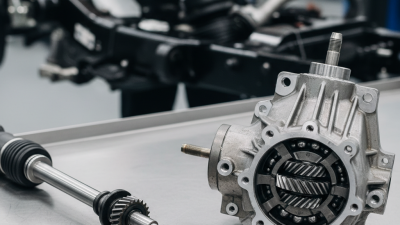
Top Tips for Choosing the Right Steering Gearbox for Your Needs
Choosing the right Steering Gearbox is crucial for vehicle performance. A poorly selected gearbox can lead to handling issues and affect safety. Industry reports indicate that over 30% of driving problems stem from improper steering component choices. This highlights the importance of understanding your specific needs.
When selecting a Steering Gearbox, consider the vehicle's intended use. For high-performance vehicles, precision is key. On the other hand, trucks may require robust gearboxes for heavy loads. According to the Automotive Engineers Association, choosing the wrong gearbox can diminish efficiency by up to 15%.
It is also vital to consult expert reviews and technical specifications. Research shows that brands with established reputations tend to offer more reliable products. However, the market is flooded with options. This makes informed decision-making essential. A mismatch can lead to costly repairs and reduced lifespan for your vehicle. Consider your requirements carefully before making any purchase.
Key Factors Influencing the Selection of Steering Gearboxes
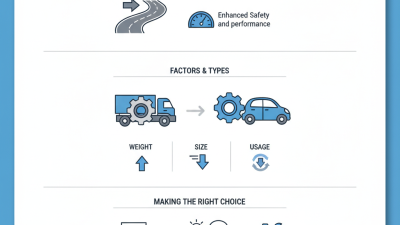
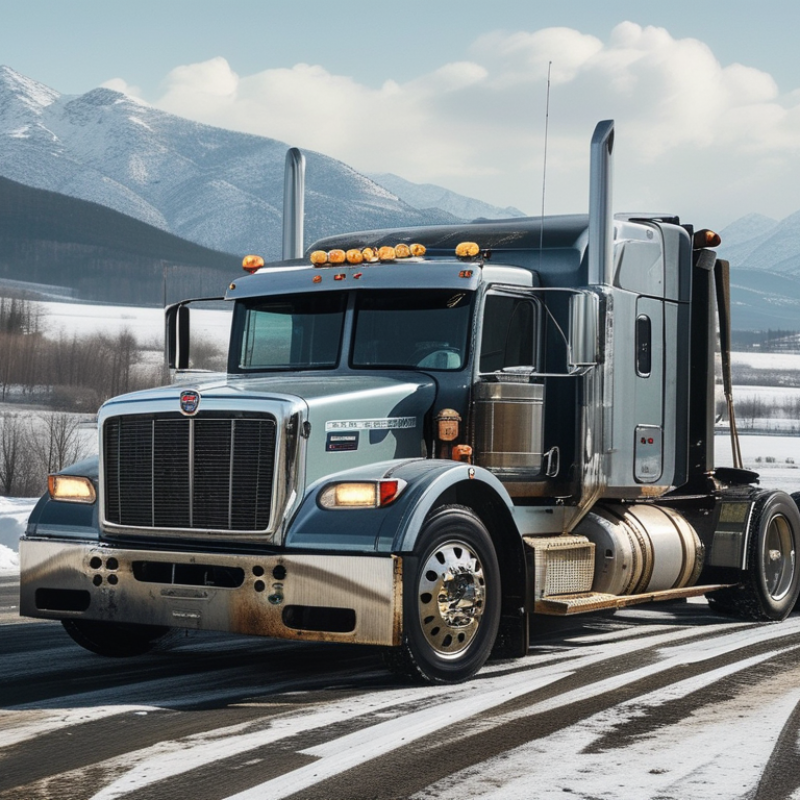
When selecting a steering gearbox, several key factors come into play. The vehicle type is paramount. Different vehicles, whether trucks or compact cars, have unique handling requirements. The gearbox must offer the right balance between responsiveness and stability.
Another important consideration is the gearbox's ratio. A higher ratio provides quicker steering input, while a lower one delivers more control. It's crucial to assess your driving style. Some drivers prefer sharp maneuvers, while others may value smoothness. Understanding this can guide your selection.
Moreover, installation compatibility is essential. Not all gearboxes fit every vehicle model. Your capability to install it yourself can impact your decision. Consulting professionals can help, but it may add to the cost. Lastly, the material used in the gearbox affects durability. While aluminum is lightweight, steel offers greater strength. Reflecting on these points can help refine your choice. Exploring options and gathering insights is key to finding the gearbox that truly meets your needs.
Understanding Different Types of Steering Gearboxes and Their Applications
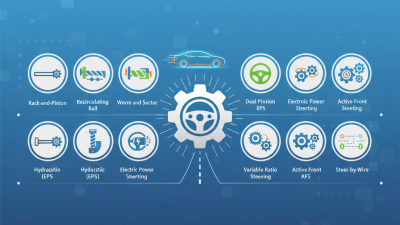
When selecting a steering gearbox, understanding the types available is crucial. There are three main types: rack and pinion, recirculating ball, and worm gear. Rack and pinion gearboxes offer direct steering. They are prevalent in modern cars because of their responsiveness. Recirculating ball gearboxes provide a more traditional feel and are often used in trucks. Finally, worm gear systems are typically found in older vehicles, known for their stability.
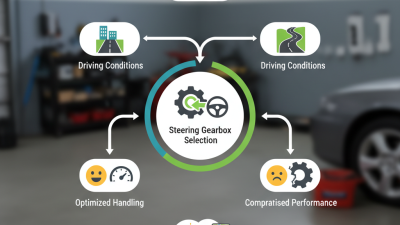
Choosing the right gearbox is not just about what feels best. Think about your driving needs. Consider the weight of your vehicle and your typical road conditions. These factors can influence which steering system suits you best. For instance, off-road vehicles may require a more robust gearbox. In contrast, city cars might benefit from a lightweight design.
Tip: Always check compatibility with your vehicle type. Installation may vary significantly among gearboxes. It’s essential to match the gearbox specifications to ensure a smooth driving experience. Don’t forget to consider your maintenance capabilities. Some gearboxes might demand more frequent care than others. This could impact long-term performance and safety.
Evaluating Load Capacity and Performance Specifications in Gearboxes
Selecting the right steering gearbox is critical. One of the essential considerations is evaluating load capacity. Gearboxes are often rated for specific load limits. Exceeding these limits can lead to premature wear or failure. According to industry standards, a gearbox's load capacity should be at least 20% higher than the maximum intended load. This buffer helps accommodate unexpected spikes in demand.
Performance specifications can include torque rating and gear reduction ratio. A higher torque rating indicates a gearbox can handle more force. For example, many heavy-duty gearboxes can achieve torque ratings upwards of 500 Nm. Gear reduction ratios determine the output speed and torque characteristics. An optimal ratio enhances the efficiency of power transfer. Choosing the wrong ratio may lead to poor performance and energy waste.
It’s important to reflect on the key specifications. Many users fail to match their needs accurately. A gearbox that is too strong may be unnecessarily bulky and expensive. Conversely, an under-rated gearbox risks operational failure. Assessing performance correctly prevents operational downtime. Reliable data sources, such as industry reports, highlight these crucial metrics for effective choice. Adhering to these principles greatly boosts operational efficiency and reliability.
Importance of Compatibility with Vehicle Make and Model
When selecting a steering gearbox, compatibility with your vehicle's make and model is crucial. According to industry reports, over 70% of steering issues arise from improper gearbox selection. A steering gearbox must be specifically designed to fit your vehicle’s specifications. This ensures not only seamless integration but also optimal performance and safety.
Vehicle makes and models often have unique requirements. For instance, different weight distributions affect steering responses. An incompatible gearbox may lead to excessive wear or even failure. The American Automotive Association emphasizes that selecting the right components can extend the lifespan of your vehicle by up to 30%. It's not just about fitting; it’s about enhancing your driving experience through well-matched components.
Not everyone considers the long-term impacts of a misfit. Some users may opt for cheaper alternatives, overlooking critical specifications. This decision can result in diminished handling and increased risk on the road. The National Highway Traffic Safety Administration (NHTSA) reports that around 38% of accidents stem from vehicle handling issues. Prioritizing compatibility is not just wise; it is essential for both safety and functionality.
Top Tips for Choosing the Right Steering Gearbox for Your Needs - Importance of Compatibility with Vehicle Make and Model
| Vehicle Make |
Vehicle Model |
Steering Gearbox Type |
Compatibility |
Notes |
| Toyota |
Camry |
Rack and Pinion |
High Compatibility |
Popular model, easily accessible parts. |
| Ford |
F-150 |
Recirculating Ball |
Moderate Compatibility |
Check for variations in different years. |
| Chevrolet |
Silverado |
Rack and Pinion |
High Compatibility |
Widely used in various models. |
| Honda |
Accord |
Rack and Pinion |
High Compatibility |
Reliable and easy to source parts. |
| Nissan |
Altima |
Electric Power Steering |
Moderate Compatibility |
Requires specific matching for models. |
Cost-Benefit Analysis: Balancing Quality and Pricing in Gearbox Choices
When selecting a steering gearbox, a cost-benefit analysis is essential. Quality and pricing must align with your specific needs. Industry reports indicate that up to 70% of consumers often regret their initial investment due to the balance of performance versus cost. This regrettable tendency often stems from a lack of thorough research and assessment.
One effective tip is to evaluate the material quality. Gearboxes made from higher-grade materials often exhibit enhanced durability. In contrast, cheaper alternatives may save money upfront but lead to frequent repairs. Analyzing lifecycle costs can provide invaluable insights. You'll want to assess potential long-term expenses against initial outlay.
Another point to consider is the gear ratio. It can significantly influence your vehicle's handling dynamics. The right ratio provides a smoother driving experience, while the wrong one may create excessive wear on components. Don't underestimate the importance of a proper fit. Sometimes, a slightly more expensive model can offer improvements in performance and reliability, making it well worth the price difference.
Cost-Benefit Analysis of Steering Gearbox Options