How to Determine Steering Gear Box Price in 2026?
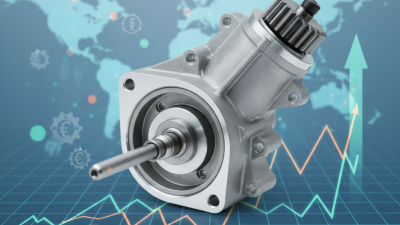
In the automotive industry, understanding the "Steering Gear Box Price" is crucial for both consumers and manufacturers. As we look ahead to 2026, various factors will influence these prices. Economic trends, advancements in technology, and the evolving demand for electric vehicles will all play significant roles. A thorough analysis of these elements can provide valuable insights.
Several key aspects impact steering gear box pricing. Raw material costs, manufacturing processes, and competition among suppliers consistently shape the market. Additionally, consumer preferences for safety and performance enhancements require manufacturers to innovate. This need for innovation can drive prices higher, reflecting the complexity involved in modern steering systems.
Evaluating the steering gear box market requires a nuanced approach. Trends in global supply chains can introduce fluctuations in prices. It's important to remain adaptable and informed in this dynamic environment. Gathering data from reliable sources helps to build a clearer picture. By examining past pricing models alongside future projections, stakeholders can make well-informed decisions.
Factors Influencing Steering Gear Box Prices in 2026
Determining the price of a steering gear box in 2026 involves various influencing factors. Market trends indicate that material costs play a significant role. For example, the price of steel and aluminum has fluctuated, impacting manufacturing costs. A report by the International Materials Institute reveals that these materials could see a 10% increase by 2026 due to global supply chain issues.
Technological advancements also influence prices. The rise of electric vehicles (EVs) is changing component requirements. Data from the Automotive Trends Center suggests that steering gear boxes for EVs may see prices rise by up to 15% compared to traditional models. Companies investing in advanced steering systems need to account for this trend while budgeting.
Tip: Consider the impact of manufacturing location on pricing. Local materials and labor can reduce shipping costs, which helps control the final price.
Consumer demand is another critical factor. A surge in demand for more efficient and responsive steering solutions can drive prices up. Industry projections suggest a potential 5% annual increase in demand for high-performance gearboxes over the next few years.
Tip: Regularly review industry reports. Understanding market shifts allows for better planning and budget adjustments.
Innovations also encourage pricing variability. As companies adopt new technologies, early adopters may pay a premium. This creates discrepancies between initial rollouts and later market standards, requiring careful consideration from consumers and manufacturers alike.
Material and Manufacturing Costs in Steering Gear Boxes
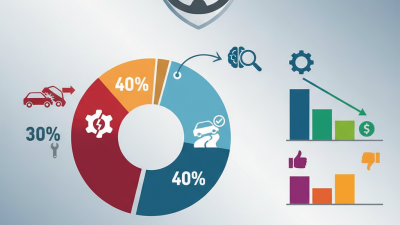
In 2026, the pricing of steering gear boxes will significantly depend on material and manufacturing costs. Recent industry reports indicate that raw material costs represent nearly 30% of the total production expenditure. Steel, aluminum, and composite materials will lead the cost fluctuation. For instance, if steel prices increase due to market demand, the overall cost of steering gear boxes could also rise by as much as 10%.
Understanding the manufacturing process is crucial. Labor costs are another key factor. Automation has improved production efficiency, but labor still accounts for about 20% of total costs. Skilled labor is becoming rare, leading to wage increases. Furthermore, the integration of advanced technologies, such as robotics and AI, may initially raise costs but could lead to savings in the long run.
Data from market analysis firms suggest that manufacturers must adapt to these changes. They need to evaluate suppliers regularly to ensure cost-effectiveness. Companies should also monitor fluctuations in material costs closely. Ignoring these factors could result in pricing miscalculations. Thus, clear insights into materials and manufacturing processes will be vital for establishing accurate pricing strategies for steering gear boxes in 2026.
Market Trends and Consumer Demand for Steering Gear Boxes
As we look toward 2026, the steering gear box market shows promising trends. According to a recent report from TechNavio, the global automotive steering system market is projected to reach $28 billion by 2026, growing at a CAGR of 5.1%. This growth is driven primarily by increasing consumer demand for enhanced vehicle safety and performance. Advanced steering technologies, such as electronic power steering, are becoming more common. This shifts consumer preferences toward more efficient and sophisticated systems.
The automotive industry has also seen a rise in eco-friendly solutions. A study by Allied Market Research highlights that the demand for lightweight steering gear boxes has surged. In 2025, estimates suggest a potential market size of around $10 billion specifically for lightweight variants. This trend is not only about reducing weight but also improving fuel efficiency. Consumers are more educated about sustainability, pushing manufacturers to innovate. A shift to electric vehicles may further influence steering systems, requiring different gear box designs and technologies.
Supply chain dynamics play a crucial role as well. Disruptions caused by recent global events raise questions about availability and pricing. Many manufacturers are re-evaluating their strategies in sourcing materials and components. This unpredictability may affect costs and availability. Industry players must stay agile and adapt to these changes to meet evolving consumer needs effectively.
Comparative Analysis of Steering Gear Box Prices Globally
In 2026, the global market for steering gear boxes is expected to show significant variation in pricing. Regional differences drive this pricing structure. Factors include raw material costs, manufacturing processes, and local labor rates. For instance, countries with advanced automotive industries may have higher prices due to sophisticated technology.
When analyzing prices, consider economic factors. In regions with economic downturns, manufacturers might lower costs to maintain sales. This could lead to inconsistent pricing among similar products. Currency fluctuations also play a role. If a country’s currency weakens, the cost of imported steering gear boxes may rise.
Tips: Research multiple suppliers to compare prices effectively. Stay updated on market trends that can influence costs. Don’t hesitate to ask for clarification about pricing structures; transparency can vary greatly among vendors.
Forecasting Price Changes: Economic Indicators for 2026
Understanding the economic landscape is crucial for predicting
steering gear box prices in 2026. Key indicators such as
inflation rates, supply chain dynamics,
and consumer demand will play significant roles. For instance,
rising inflation may lead to
increased production costs, directly affecting prices. If
steel and raw materials
become more expensive, manufacturers may pass these costs onto consumers.
Additionally, global supply chain
challenges could impact availability. Disruptions, such as unforeseen
geopolitical events or natural disasters, may create shortages. This could
further drive up prices. On the consumer side, demand fluctuations
will also matter. If automotive production ramps up, it will increase the
need for steering gear boxes. Conversely, if electric vehicle adoption slows,
demand may decrease, keeping prices lower.
It is essential to keep an eye on these indicators and adjust expectations
accordingly. Market trends can shift rapidly, making it vital to remain
adaptable. Understanding these factors will sharpen your decision-making,
but keep in mind that predictions are never foolproof. The economy is
complex, and unforeseen variables can emerge. Reflecting on these uncertainties
can help you better navigate future purchases.