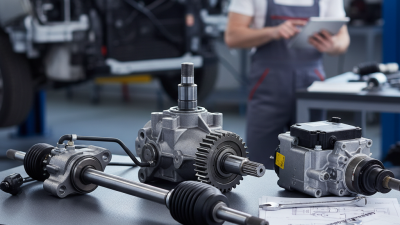
10 Essential Tips for Maintaining Your Car Steering Box?
Maintaining your car's steering box is crucial for safe driving. The car steering box plays a vital role in connecting the steering wheel to the wheels. A well-functioning steering box ensures responsive handling and excellent maneuverability.
To keep your car steering box in optimal condition, regular checks are essential. Look for signs of wear or fluid leaks. These issues can lead to serious problems if ignored. Driving with a faulty steering box can compromise your safety on the road.
Many car owners overlook this vital component. It's easy to neglect, especially with busy schedules. However, understanding its importance can drive you to take better care of your vehicle. Taking a few moments for regular inspections can save you from costly repairs. Embrace these tips to enhance your car's performance and ensure a smoother ride.
Understanding the Car Steering Box and Its Importance
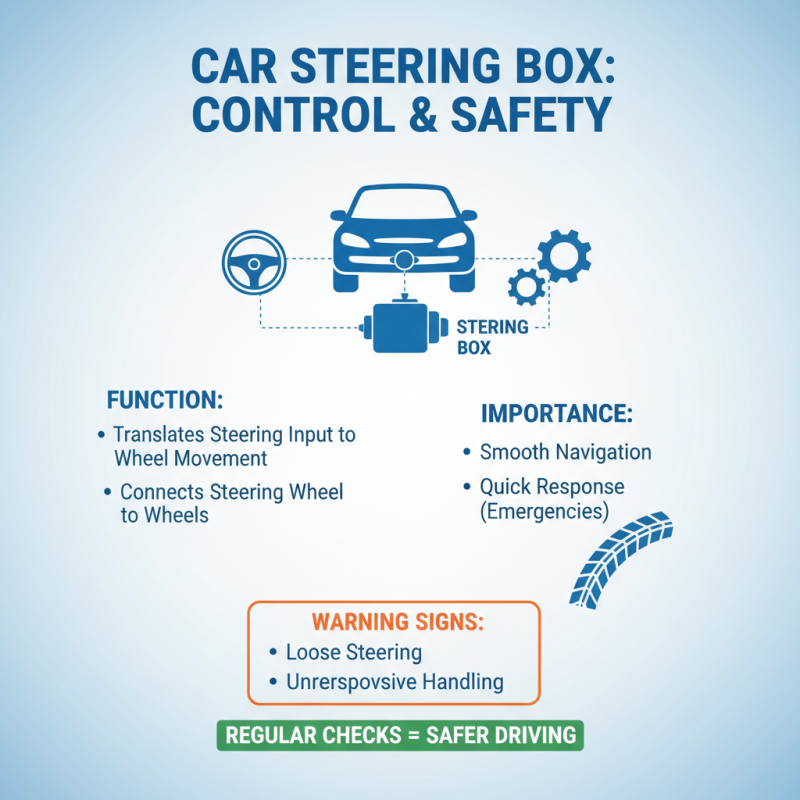
The car steering box plays a crucial role in vehicle handling and safety. It connects the steering wheel to the wheels, translating driver input into movement. A well-functioning steering box ensures smooth navigation through turns and quick responses during emergency maneuvers. If your steering feels loose or unresponsive, it may signal an underlying issue. Regular checks can prevent unexpected surprises on the road.
Maintenance is essential for the longevity of this component. Inspect for leaks, as fluid loss can severely impair steering performance. Lubrication is also vital; it keeps parts moving smoothly and reduces friction. Pay attention to unusual noises, like grinding or squeaking, which could indicate wear. Ignoring these signs can lead to costly repairs or accidents.
Furthermore, checking the alignment is often neglected. Bad alignment can wear out tires and strain the steering box. A misaligned vehicle can cause wandering or pulling, creating a frustrating driving experience. Simple adjustments can help keep the vehicle on track and improve overall safety. A proactive approach to maintaining the steering box can save you time and trouble in the long run.
Common Signs of Steering Box Issues to Watch Out For
When driving, the steering box is crucial. Recognizing its issues early can prevent costly repairs. One common sign is an unusual drift. If your vehicle pulls to one side, the steering box may be misaligned. This can feel unsettling and may lead to accidents if ignored.
Another red flag is strange noises. Hearing clunking or whining sounds while turning indicates that something is wrong. It could mean worn gears. You may also experience stiffness in the steering wheel. This resistance can affect your control on the road. Ensure you check fluid levels regularly; low fluid can cause these problems.
You might notice a loose feeling in your steering. This can make your car feel unsteady. Additionally, uneven tire wear can hint at steering box issues. Inspect your tires often. Addressing these signs promptly can enhance your driving experience and safety. Neglecting them could lead to bigger problems later.
Regular Maintenance Practices for Your Steering Box
Maintaining your car's steering box is crucial for safety and performance.
Regularly check for any fluid leaks. Leaks often indicate a problem that can worsen if ignored.
Inspect the steering fluid level and top it off as needed. Dirty fluid can affect steering responsiveness, so it's wise to change it periodically.
Listen for unusual noises while driving. A whining or clunking sound could signal that your steering box needs attention.
Pay attention to steering responsiveness as well. If the wheel feels loose or binds, it might require adjustment or repair.
Don't neglect these signs; they ask for timely action.
Some drivers forget about alignment checks. A misaligned steering box can lead to uneven tire wear, creating more issues.
Evaluate your car's alignment regularly, especially after hitting a pothole.
Tightening the bolts can also be overlooked. Loose connections can lead to steering problems over time.
Regular inspection ensures you catch these minor issues before they become major repairs.
Choosing the Right Lubricants for Your Steering Box
Choosing the right lubricants for your steering box is crucial for optimal performance. Many car owners overlook this aspect. A well-lubricated steering box ensures smoother handling and a longer lifespan. Not all lubricants are created equal. Some may offer better protection against wear and tear.
Consider the viscosity of the lubricant. A thicker lubricant can provide better cushioning, but it may not flow well in colder temperatures. Conversely, a thinner option may lead to increased friction. Check the manufacturer’s recommendations when selecting the right product. Using the wrong lubricant can lead to leaks or damage, which is costly to repair.
Monitor the level of lubricant regularly. A low level can lead to unexpected steering issues. Sometimes, it’s easy to forget about this task. A little attention can save a lot of trouble later. If you notice any unusual noises when steering, it might signal that lubrication is needed. Don't ignore these signs; they could indicate serious issues.
Keep your steering box well-maintained, and it will reward you with reliability on the road.
When to Seek Professional Help for Steering Box Problems
The steering box is crucial for vehicle control. If you notice issues, it's time to get professional help. Sounds simple, right? But many drivers ignore the signs. Strange noises when turning may indicate a problem. A tight steering wheel could signal an underlying issue too.
Look for fluid leaks under your car. Low power steering fluid can lead to bigger problems. Do your turns feel unnatural? If your vehicle veers to one side, that’s concerning. These signs shouldn’t be taken lightly.
It’s easy to dismiss them, but it could cost you dearly. Getting an expert’s opinion early can prevent major repairs later. Waiting until something breaks is risky. A steering box failure can be dangerous. It's better to be cautious than to regret it later. Trust your instincts about your car. If it feels off, seek help. It's not just about fixing a part; it's about your safety on the road.