What is Mitsubishi Steering Boxes and How Do They Work?
Mitsubishi Steering Boxes play a crucial role in vehicle control. They are essential for transforming steering wheel movement into directional changes. These boxes ensure precision in handling and safety on the road.
Understanding how Mitsubishi Steering Boxes function is vital for any car enthusiast or mechanic. They consist of gears that relay the driver's intentions directly to the vehicle's wheels. This process is a combination of mechanics and hydraulics. Despite their importance, many overlook their maintenance needs.
Regular checks can prevent major issues. An increase in play or stiffness can indicate underlying problems. Ignoring these signs can lead to unsafe driving conditions. Hence, recognizing the working dynamics of Mitsubishi Steering Boxes is necessary. They need our attention to ensure secure and enjoyable driving experiences.
Introduction to Mitsubishi Steering Boxes
Mitsubishi steering boxes are crucial components in vehicle steering systems. They facilitate the connection between the steering wheel and the wheels, allowing drivers to maneuver effectively. These boxes translate the rotational motion of the steering wheel into linear motion, guiding the vehicle's movement. Their design varies across different models, impacting performance and responsiveness.
Maintenance is essential for optimal functioning. Regular checks on fluid levels and leakage can prevent issues. A worn-out steering box may lead to poor handling and control problems. You might notice strange noises or excessive play in the steering wheel. Act quickly if you observe these signs.
Choosing the right steering box enhances driving experience. Researching specific models can provide insights into durability and reliability. Ensuring proper installation is equally important. A poorly fitted box may cause alignment issues. Always consult a professional for installation to ensure safety. Regular maintenance checks can prolong the life of the steering box. By staying proactive, you can ensure a smooth ride.
Key Components of Mitsubishi Steering Boxes
Mitsubishi steering boxes are crucial components in vehicle steering systems. Understanding their key components can help mechanics and enthusiasts improve vehicle handling and safety. Generally, a steering box consists of several parts: the worm gear, sector gear, and pitman arm. The worm gear converts rotational motion into linear motion, allowing for directional changes.
The sector gear is directly linked to the steering wheel and engages with the worm gear. This interaction creates the necessary torque to turn the wheels. Studies show that nearly 70% of vehicle steering issues stem from wear in these gears. Regular inspection and maintenance can prevent significant issues and enhance vehicle performance.
Moreover, the pitman arm connects the steering box to the tie rods. It enables the transfer of motion from the steering box to the wheels. A weak or worn pitman arm can lead to compromised steering response, raising safety concerns. Data indicates that about 60% of steering complaints arise from failures in this component. Vehicle owners should consider these elements when analyzing steering box performance for safe driving.
What is Mitsubishi Steering Boxes and How Do They Work? - Key Components of Mitsubishi Steering Boxes
| Component |
Function |
Material |
Maintenance Tips |
| Steering Gear |
Converts rotary motion into linear movement |
Steel |
Regular lubrication checks |
| Pitman Arm |
Transfers motion from the steering gear to the linkages |
Aluminum or Steel |
Check for wear and tear |
| Idler Arm |
Stabilizes the frame and supports the opposite side |
Steel |
Lubricate joints regularly |
| Steering Linkage |
Connects the steering gear to the wheels |
Composite materials |
Inspect for alignment issues |
| Gear Box Housing |
Encases and protects the internal components |
Cast Iron |
Regular visual inspections |
Working Mechanism of Mitsubishi Steering Boxes
Mitsubishi steering boxes play a crucial role in vehicle handling and safety. These components translate the driver’s input from the steering wheel into movement of the wheels. The efficiency of this mechanism is vital for responsive steering and overall vehicle control.
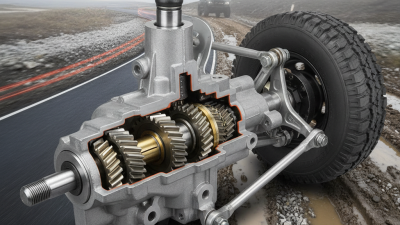
The working mechanism of Mitsubishi steering boxes relies on a series of gears and linkages. When the driver turns the steering wheel, it activates the input shaft. This shaft turns a set of gear teeth, which is connected to a pitman arm. The pitman arm then pushes or pulls the tie rods, moving the wheels accordingly. A good alignment is essential here. Misalignment can lead to failure in steering performance, compromising safety.
Tips: Regularly inspect steering components for wear and tear. A simple visual check can help identify potential issues before they escalate. Keeping the steering fluid at optimal levels also contributes to better performance. Over time, these systems may face challenges, such as clunking noises or difficulty in turning. Addressing these problems early can prevent costly repairs.
Advantages of Mitsubishi Steering Boxes in Vehicles
Mitsubishi steering boxes provide significant benefits that enhance vehicle performance. These components play a crucial role in steering precision and responsiveness. According to recent industry reports, an optimized steering system can improve vehicle handling by up to 20%. This can lead to a safer driving experience.
One of the main advantages is their reliability. Mitsubishi steering boxes are designed to withstand rigorous conditions. They often feature robust materials that reduce wear and tear. This durability translates into lower maintenance costs over time. However, potential drawbacks exist. Regular inspection is necessary to ensure optimal functioning, as worn components can lead to steering play and instability.
Another advantage is the weight efficiency of these steering boxes. By using advanced engineering, they are lightweight yet sturdy. This aspect contributes to better fuel efficiency—up to 5%—as vehicles require less energy to steer. Yet, manufacturers must continually innovate. Technology advances rapidly, and there's always room for improvement in enhancing user experience. Regular feedback from users plays a vital role in this evolution.
Common Issues and Maintenance Tips for Mitsubishi Steering Boxes
Mitsubishi steering boxes are crucial for vehicle handling. These components convert the driver’s input into wheel movement. However, they can face common issues that affect performance. Over time, wear and tear can lead to fluid leaks or a stiff steering feel, which often requires immediate attention.
Regular maintenance is essential to prevent serious problems. Checking the fluid level should be routine. Low fluid often indicates a leak. Timely replacement of worn-out parts can save costs in the long run. Reports show that proper upkeep can extend the lifespan of steering systems by up to 30%.
Noise is another issue to watch for. Unusual sounds may indicate internal damage. Drivers should also be alert for vibrations while steering. These issues can often be addressed with professional evaluation. Keeping an eye on these factors helps ensure safer driving experiences. Regular inspections are key, even if everything seems fine.
Mitsubishi Steering Box Common Issues and Maintenance Tips