Power Steering Gear Maintenance Tips for Smooth Driving Experience
Maintaining your vehicle's Power Steering Gear is essential for ensuring a smooth and safe driving experience. According to renowned automotive expert Dr. Emily Carter, “Regular upkeep of the Power Steering Gear not only enhances vehicle performance but also extends its lifespan.” With the complexity of modern vehicles, many drivers overlook the importance of routine maintenance for this critical component.
Proper care of the Power Steering Gear involves understanding the signs of wear and tear, including unusual noises or difficulty in steering. Drivers should regularly check fluid levels and inspect for leaks to maintain optimal performance. Dr. Carter emphasizes the value of preventive maintenance: “Investing time in simple maintenance tasks can prevent costly repairs later on.”
In this article, we will explore essential tips for Power Steering Gear maintenance, ensuring your driving experience remains as smooth as possible. By incorporating these practices into your vehicle care routine, you can enhance the functionality of your steering system, resulting in a safer and more enjoyable journey.
Understanding the Importance of Power Steering Gear Maintenance
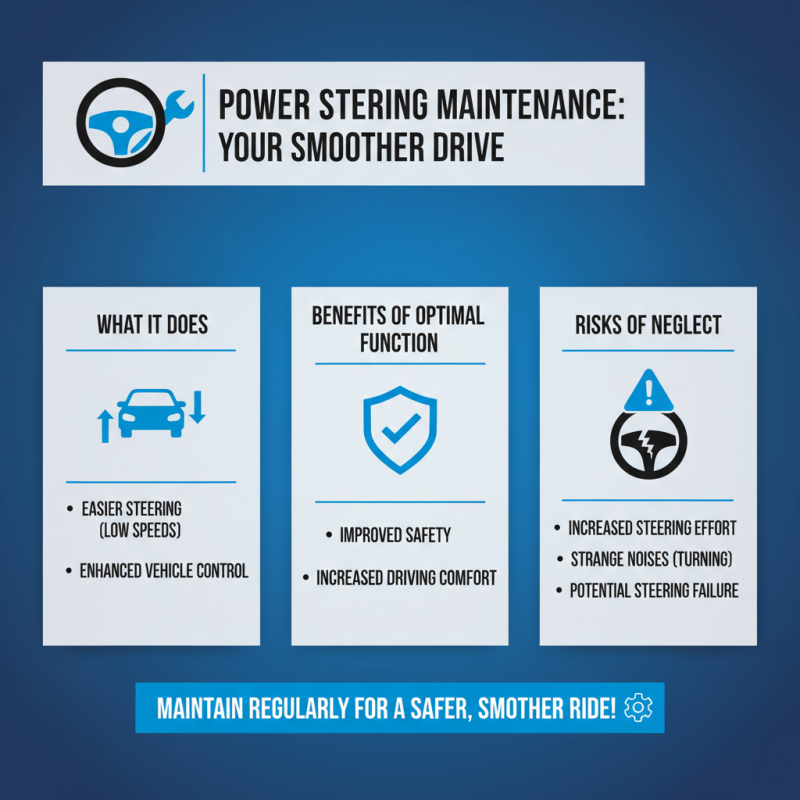
Power steering gear maintenance is crucial for ensuring a smooth driving experience. The power steering system enhances vehicle control by making it easier for drivers to turn the steering wheel, especially at lower speeds. When this system is functioning optimally, it contributes significantly to vehicle safety and comfort. Neglecting regular maintenance can lead to issues such as increased steering effort, noises during turning, and even complete steering failure, which could compromise the safety of both the driver and passengers.
Understanding the importance of power steering gear maintenance involves recognizing early warning signs and addressing them promptly. Regular inspections for leaks, worn-out seals, and fluid levels should not be overlooked. Keeping the power steering fluid clean and topped up is essential, as contaminated fluid can lead to premature wear and tear on the pump and steering components. Additionally, periodic checks of the steering linkage and related parts ensure that potential problems are identified before they escalate into more significant issues, ultimately prolonging the lifespan of the steering system and ensuring a safer driving experience.
Common Signs of Power Steering Issues to Watch For
Identifying power steering issues early can save you from more significant problems down the road. One of the most common signs of power steering trouble is a heavy or stiff steering wheel. If you find that turning the wheel requires more effort than usual, it might indicate low fluid levels or a malfunctioning power steering pump.
Additionally, listen for any unusual noises while steering. Grinding, whining, or clunking sounds can suggest that there is a problem with the power steering system or its components.
Another sign to watch for is fluid leaks. If you notice puddles of red or pink fluid under your vehicle, it may be a sign that your power steering system is leaking. Regularly checking the fluid level in your power steering reservoir is vital; if it is consistently low, your system may not function correctly.
Lastly, if you experience a sudden loss of steering control or notice that the wheel vibrates while driving, it’s crucial to have your power steering inspected immediately. These warning signs, if ignored, can lead to a compromised driving experience and potential safety hazards.
Step-by-Step Guide to Inspecting Your Power Steering Gear
Inspecting your power steering gear is essential for ensuring a smooth driving experience. Begin by checking the power steering fluid level. Low fluid levels can lead to increased wear on the system and cause difficulty in steering. To check the fluid, locate the reservoir, remove the cap, and use the dipstick or markings on the side of the reservoir to assess the fluid level. If the fluid appears dark or has debris, it may be time to flush the system and replace the fluid.
Next, examine the power steering belt for signs of wear. Look for cracks, fraying, or signs of looseness. A worn-out belt can affect the performance of your steering system, leading to poor responsiveness. Tighten or replace the belt as necessary to ensure proper function. Additionally, inspect the hoses for leaks; cracked or leaking hoses can compromise the steering fluid and can be detrimental to the system's efficiency.
Tips for maintaining your power steering gear include regularly checking the fluid level and condition, ensuring that belts are properly tensioned and free from damage, and keeping an eye on hose integrity. Regular inspection not only enhances driving comfort but also prolongs the lifespan of your vehicle's steering components, ensuring a safer and smoother ride on the road.
Power Steering Gear Maintenance Insights
This chart illustrates the average maintenance frequency and common issues encountered with power steering gears over a one-year period. Proper maintenance ensures a smoother driving experience and prolongs the lifespan of the steering system.
Recommended Maintenance Practices for Optimal Performance
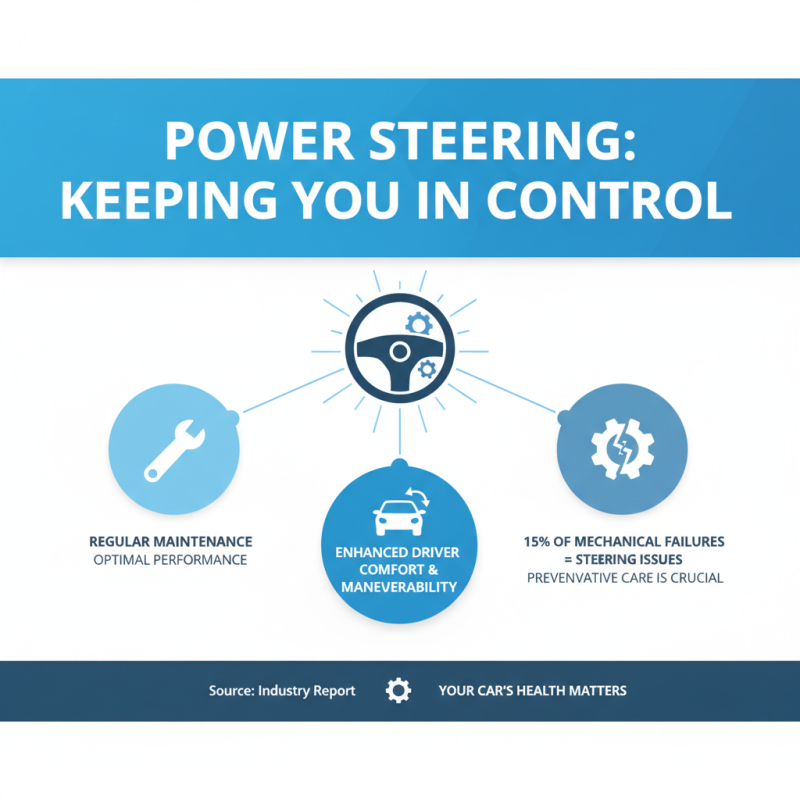
Power steering systems are integral to modern vehicles, providing ease of maneuverability and enhancing driver comfort. For optimal performance, regular maintenance of the steering gear is essential. According to a recent industry report, issues related to power steering systems account for approximately 15% of the mechanical failures reported in vehicles, highlighting the importance of preventative care.
One recommended maintenance practice is to regularly check the power steering fluid levels and maintain them within the manufacturer’s specified range. Low fluid levels can lead to increased wear on the steering components and potentially result in a complete steering failure. Additionally, it is crucial to inspect the hoses and connections for leaks or wear, as damaged components can compromise the system's effectiveness. The Society of Automotive Engineers emphasizes that timely fluid changes—ideally every 50,000 to 100,000 miles—can significantly prolong the lifespan of the steering gear.
Another critical aspect of maintenance involves the alignment of the vehicle's steering system. Misalignment can lead to uneven tire wear and affect steering responsiveness. Research indicates that a proper alignment not only enhances steering precision but can also improve fuel efficiency by up to 10%. Regular inspections and adjustments, ideally in conjunction with tire rotations, are essential practices to ensure that the power steering system functions smoothly and reliably, contributing to a safer and more enjoyable driving experience.
When to Seek Professional Help for Power Steering Problems
Power steering systems are essential for ensuring a smooth and responsive driving experience. However, there are times when drivers may encounter issues that require professional attention. Recognizing the signs of a failing power steering system is crucial; common indicators include unusual noises, such as whining or grinding sounds, and difficulty in turning the steering wheel. If you start experiencing a sudden loss of steering assistance or if the power steering fluid levels drop significantly, these are clear signals that it's time to consult a professional mechanic.
Another important factor to consider is the age and condition of your vehicle. Older cars may be more susceptible to power steering issues, especially if regular maintenance has been neglected. If you notice any fluid leaks under the vehicle or the steering mechanism feels loose or unresponsive, seeking professional help should be a priority. Timely intervention can prevent further damage to the system, ultimately saving you time and money in repairs. Regular inspections and addressing minor issues early can maintain the integrity of your power steering, but knowing when to seek help ensures your safety on the road.
Power Steering Gear Maintenance Tips for Smooth Driving Experience - When to Seek Professional Help for Power Steering Problems
| Maintenance Tip |
Frequency |
Signs of Trouble |
Recommended Action |
| Check Power Steering Fluid Level |
Every 3 months |
Fluctuating steering response |
Top off fluid and check for leaks |
| Inspect for Leaks |
Monthly |
Fluid spots under the car |
Consult a mechanic |
| Flush Power Steering Fluid |
Every 2 years |
Dark, dirty fluid |
Perform a flush and replace fluid |
| Check Power Steering Belt |
Every 6 months |
Squealing noise when turning |
Adjust or replace belt |
| Test Steering Response |
After every long drive |
Stiff or uneven steering |
Seek professional inspection |