What is a Steering Box and How Does It Work?
The Steering Box plays a crucial role in vehicle dynamics. It translates the driver’s input into movement at the wheels. This mechanical component is essential for steering control and vehicle stability.
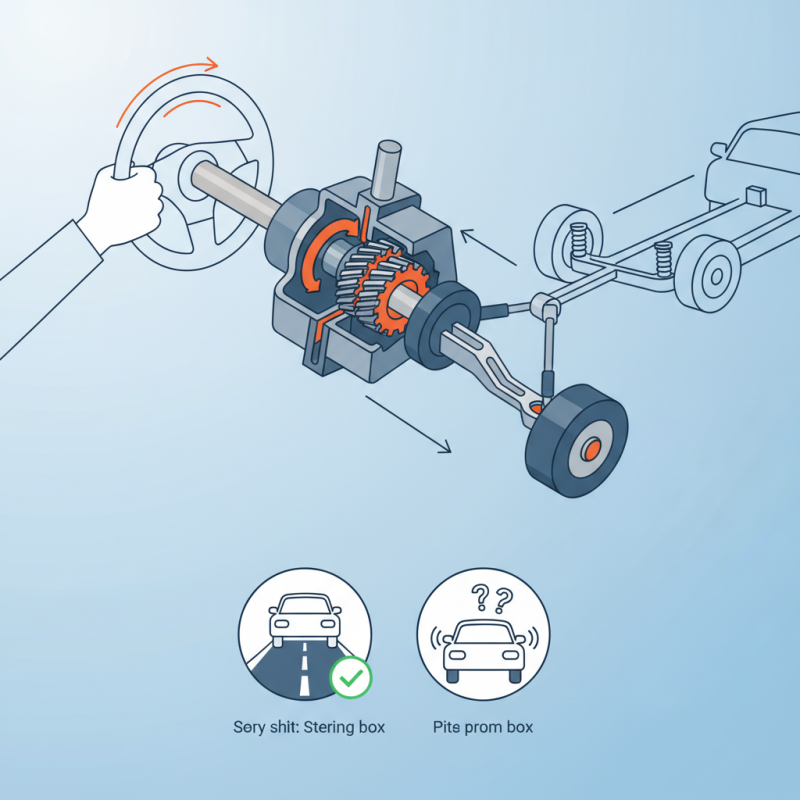
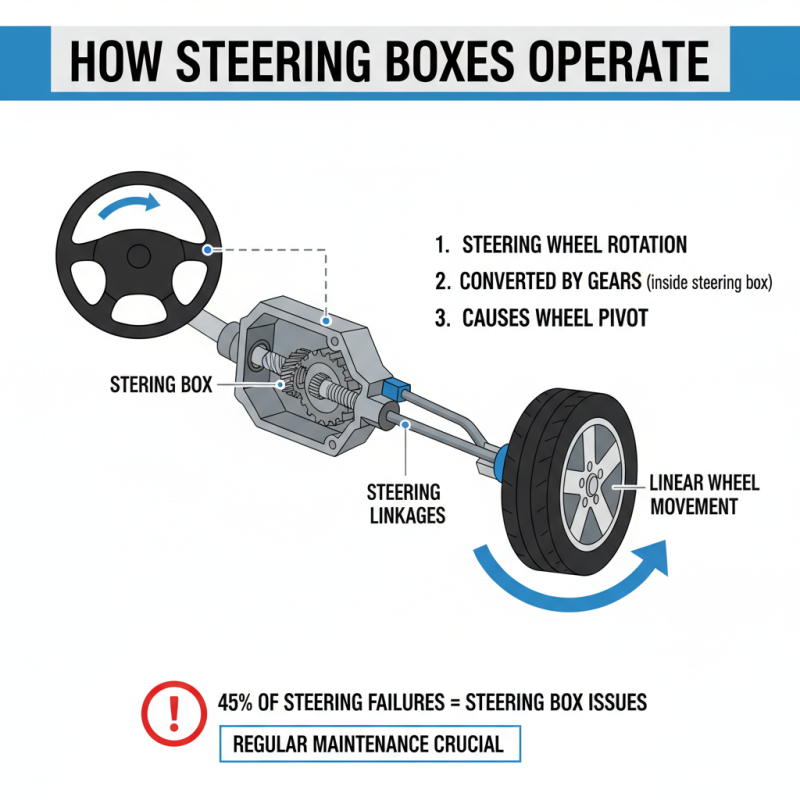
A Steering Box operates through a series of gears and linkages. When the driver turns the steering wheel, the box converts this action into directional changes. It can sometimes feel less responsive than desired, leading to frustration. This complexity highlights the importance of regular maintenance.
Drivers may overlook the Steering Box until issues arise. Problems can include poor alignment or unusual noises. Understanding its function fosters a better appreciation for vehicle safety and performance. Reflecting on this encourages proactive vehicle care.
What is a Steering Box?
A steering box is an essential component of a vehicle’s steering system. Its primary function is to translate the rotation of the steering wheel into directional movement of the wheels. Essentially, it provides the mechanical advantage needed to make steering easier.
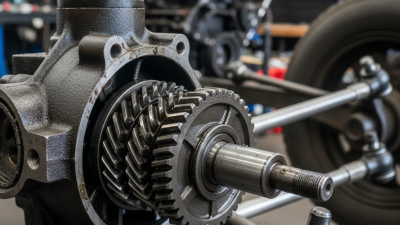
Inside the steering box, there are gears that help convert the steering wheel's movements. When you turn the wheel, gears within the box engage. This action leads to the lateral movement of the pitman arm, which, in turn, moves the vehicle's wheels. Think of it as a translator for your steering wheel’s movements.
However, steering boxes can develop issues over time. Wear and tear can lead to sloppiness, making handling less precise. This can create challenges for safe driving. Sometimes, you might feel a vague response when turning the wheel. Regular maintenance is essential, yet many overlook it. Keeping an eye on your steering box can save you headaches down the road.
Key Components of a Steering Box
A steering box is a crucial component of a vehicle's steering system. It translates the driver's input into wheel movement. Understanding its key components is essential for maintaining vehicle control and safety.
The pitman arm is one of the central elements. This lever connects the steering gear to the steering linkage, allowing the wheels to turn. It usually operates under significant stress. Another critical part is the worm gear. This gear mechanism converts the rotational motion of the steering wheel into linear motion. According to a recent industry report, proper lubrication and maintenance of gears can extend their lifespan by up to 30%.
Additionally, the sector shaft plays an integral role. It transfers the motion from the worm gear to the pitman arm. Misalignment in this component can lead to steering issues. Furthermore, the bearings within the steering box provide support and reduce friction. Regular checks on these components can prevent major malfunctions. Many drivers overlook these details. In fact, a study indicated that nearly 20% of steering-related accidents stem from mechanical failures. Understanding these components can save drivers from potential dangers on the road.
What is a Steering Box and How Does It Work? - Key Components of a Steering Box
| Component |
Function |
Material |
Common Problems |
| Steering Gear |
Converts steering wheel rotation into directional movement of the wheels |
Steel |
Worn gears, leaks |
| Pitman Arm |
Transmits motion from the steering gear to the steering linkage |
Steel |
Play in the joint, bending |
| Idler Arm |
Supports the other end of the steering linkage opposite the Pitman Arm |
Steel |
Worn bushings |
| Steering Shaft |
Connects the steering wheel to the steering gear |
Steel or aluminum |
Worn joints, misalignment |
| Power Steering Pump |
Provides hydraulic pressure for power steering systems |
Aluminum |
Leaks, noisy operation |
How Steering Boxes Operate Mechanically
The steering box is a fundamental component in a vehicle's steering system. It translates the rotational movement of the steering wheel into the linear movement needed to turn the wheels. The mechanism usually involves gears and linkages that convert motion effectively. According to industry reports, approximately 45% of steering failures are attributed to issues within the steering box. This highlights the need for regular maintenance and inspections.
In mechanical terms, steering boxes typically operate using either rack and pinion or recirculating ball designs. Rack and pinion systems are known for their direct and responsive feel. In contrast, recirculating ball systems may provide a smoother experience but can suffer from play over time. Research suggests that vehicles equipped with rack and pinion steering may offer better handling dynamics. However, this can vary widely depending on vehicle design.
Despite their efficiency, steering boxes can experience wear and tear. Factors such as driving conditions and vehicle type play a crucial role. Users must be aware that even high-quality components may require attention after years of use. Regularly checking for leaks, unusual noises, or steering stiffness can help maintain performance. Recognizing these signs early can prevent bigger issues down the road.
Common Types of Steering Boxes
When discussing steering boxes, it’s essential to understand the common types available. There are three major types:
recirculating ball,
rack and pinion, and
worm gear steering boxes. Each type has its unique mechanism and application.
Recirculating ball steering boxes use ball bearings to reduce friction. This design is often found in larger vehicles, providing durability and a tight turning radius.
Meanwhile, rack and pinion steering boxes are more common in modern cars. They offer a direct connection between the steering wheel and the wheels, improving response time and handling.
On the other hand, worm gear steering boxes are typically found in older vehicles or specialty applications due to their compact design.
Tip: Regular maintenance is vital. A well-lubricated steering box performs better and lasts longer.
Check for leaks and keep components clean. Remember, signs of wear can lead to severe steering issues.
While steering boxes are crucial for vehicle control, they can have drawbacks. For instance, heavy steering can indicate underlying problems.
Additionally, improper installation of a steering box can lead to uneven wear. This could compromise vehicle safety.
Always consult a professional for installation and repairs.
Importance of Steering Boxes in Vehicle Control
Steering boxes play a crucial role in vehicle control. They convert the driver's input from the steering wheel into the necessary movement of the wheels. This system enhances maneuverability and stability. According to the National Highway Traffic Safety Administration (NHTSA), vehicles with well-maintained steering systems have significantly lower accident rates. A properly functioning steering box allows drivers to have better control over their vehicles, especially during critical situations.
The importance of steering boxes is often underestimated. Many drivers overlook regular maintenance checks. In fact, studies show that about 30% of vehicle owners neglect steering system inspections. A defective steering box can lead to serious safety issues. It impacts response times and handling precision. Statistics from automotive safety reports indicate that nearly 15% of motor vehicle accidents were attributed to steering failures. Ensuring a reliable steering box is vital for safe driving.
Maintaining steering boxes isn’t just about safety; it affects overall vehicle performance. A worn-out steering system can lead to uneven tire wear and decreased fuel efficiency. In the long run, neglecting this component impacts both the vehicle's lifespan and the owner's budget. Regular inspections can uncover potential problems early. Investing time in steering box maintenance could save drivers from more significant issues down the road.
Importance of Steering Boxes in Vehicle Control
The chart above illustrates various factors that contribute to the effectiveness of steering boxes in vehicle control. Each category represents a critical attribute such as precision, response time, durability, maintenance frequency, and cost, rated on a scale of 1 to 10. A higher score indicates better performance in that aspect.