Essential Steering Gear Tips for Global Buyers
In the complex world of automotive supply chains, understanding steering gear is crucial for global buyers. An expert in the steering gear industry, John Frey, once said, "A quality steering gear can make the difference between safety and disaster." This insight highlights the importance of selecting the right products.
Many buyers lack the experience needed to evaluate steering gear effectively. It is not just about price; performance and durability matter greatly. Each steering gear has unique specifications and features. Buyers should consider factors like compatibility and manufacturer reputation. Gathering information is essential in this competitive field.
Incorporating robust steering gear is vital for vehicle safety and performance. Buyers must take the time to analyze options. Different scenarios and markets may present various challenges. Reflecting on one's choices will lead to better procurement decisions. Trustworthy suppliers can guide buyers through this intricate process.
Understanding the Types of Steering Gears in Automotive Applications
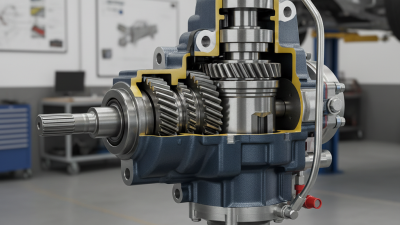
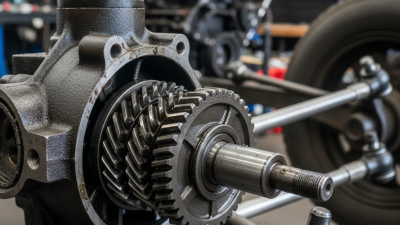
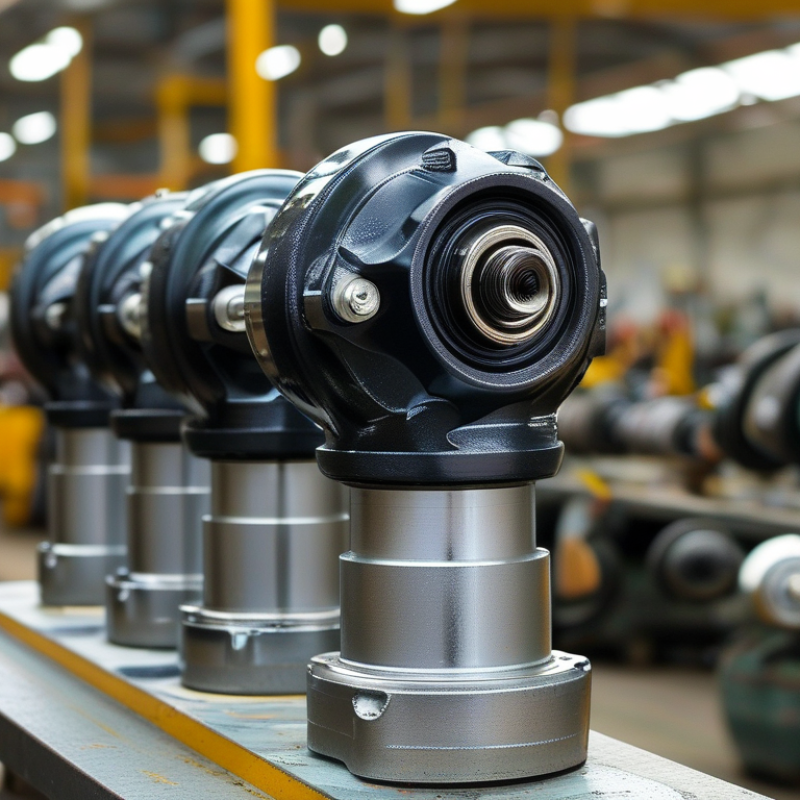
When considering steering gears in automotive applications, understanding their types is essential. Primarily, there are two main categories: rack and pinion, and recirculating ball systems. Rack and pinion systems provide direct steering response. They are lightweight and ideal for smaller vehicles. According to a 2022 report by the Automotive Research Council, this system accounts for nearly 60% of the steering gear market.
Recirculating ball systems, on the other hand, are better suited for larger vehicles. They offer more robustness but can lack the sensitivity of rack and pinion systems. A study indicated that while these systems make up about 30% of the market, they tend to have a longer lifespan. However, they may not always deliver the same precision as their counterparts.
Buyers should also consider emerging technologies in steering gear design. Electric steering has gained traction, allowing for better fuel efficiency and reduced weight. However, this shift poses challenges for traditional mechanics. The industry is evolving, and staying informed will help buyers make better decisions in a competitive market.
Key Factors Influencing Steering Gear Selection for Global Markets
When selecting steering gears for global markets, several key factors come into play. Understanding the environmental conditions where your equipment will operate is crucial. Different climates can affect the performance and durability of steering systems. For instance, extreme temperatures may require materials that can withstand thermal expansion or contraction.
Tip: Assess the operating environment thoroughly. It’s not just about the gear specifications but also how they interact with local conditions.
Another important factor is the regulatory landscape. Different countries have varying standards for safety and performance. Knowing these regulations can prevent costly setbacks. Manufacturers need to ensure compliance with local laws to avoid penalties.
Tip: Engage local experts for insights. Their experience can help navigate compliance challenges effectively.
Lastly, consider the maintenance requirements. Regular upkeep ensures longevity. Some gears need more attention than others. A gear that requires less maintenance may have a higher upfront cost but can save money and time in the long run.
Tip: Evaluate maintenance ease. Select gears that fit your operational capabilities and downtime strategies.
Global Market Trends: Steering Gear Demand and Supply Dynamics
The global steering gear market is witnessing significant shifts. As manufacturers and suppliers adapt, the dynamics of demand and supply are changing rapidly. Recent studies show that rising consumer expectations drive innovations in steering technology. This trend highlights how buyers must stay informed.
Emerging markets are increasing their share in steering gear demand. Countries with growing automotive sectors are seeking reliable suppliers. However, regional supply chain issues may cause delays. Buyers should consider these factors when planning purchases. Additionally, the shift toward electric vehicles is influencing steering gear designs. Buyers may face challenges finding compatible parts as the market evolves.
Strategic partnerships will be crucial for global buyers. Establishing strong relationships with manufacturers can ensure access to the latest technologies. Nevertheless, not all partnerships meet expectations. Continuous evaluation and adaptation are necessary. The steering gear landscape remains competitive, and buyers need to be proactive.
Regulatory Standards Impacting Steering Gear Production Across Regions
Understanding regulatory standards is crucial for steering gear production. Different regions have specific regulations that impact design, testing, and manufacturing processes. Compliance with these regulations helps ensure safety and reliability.
For instance, European standards often demand rigorous testing for structural integrity and performance. Meanwhile, North American regulations may focus more on environmental impact and fuel efficiency. Manufacturers need to adapt to these requirements, which can be challenging. The variation in standards can lead to confusion and affect supply chain efficiency.
The need for expertise in regulatory compliance is growing. Buyers must work closely with manufacturers who understand local regulations. A lack of clarity in compliance can lead to costly delays and product recalls. It’s vital to prioritize manufacturers with a proven track record in navigating these complex standards. Keeping abreast of changes in regulation is also essential for continued success.
Performance Metrics for Evaluating Steering Gear Efficiency and Safety
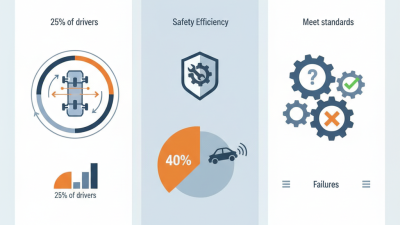
When it comes to evaluating the efficiency and safety of steering gears, performance metrics play a crucial role. These metrics provide a tangible way to measure the effectiveness of the steering mechanism in various conditions. Key performance indicators (KPIs) include response time, backlash, and load sensitivity. For instance, a steering gear should respond swiftly to input, reducing the lag time between driver commands and vehicle movement.
Load sensitivity is essential, especially in varying driving conditions. This metric gauges how well a steering system can handle changes in weight and terrain. A gear that performs poorly here may compromise safety. Backlash, on the other hand, refers to the play in the steering mechanism. Excessive backlash can diminish control, making the vehicle feel unstable. Buyers should seek out steering gears that maintain minimal backlash while ensuring a responsive feel.
It's important to remember that performance doesn’t guarantee perfection. Issues may arise in real-world applications, and even the best products can have unforeseen weaknesses. Regular assessment and real-world testing are necessary to identify any performance gaps. By focusing on these performance metrics, global buyers can make informed decisions to enhance both safety and efficiency in steering systems.
Essential Steering Gear Tips for Global Buyers - Performance Metrics for Evaluating Steering Gear Efficiency and Safety
| Parameter |
Example Value |
Unit |
Importance |
| Steering Ratio |
14:1 |
- |
Critical for handling |
| Turning Radius |
5.4 |
m |
Affects maneuverability |
| Weight |
15 |
kg |
Impacts overall vehicle weight |
| Fluid Capacity |
1.2 |
L |
Critical for performance |
| Leakage Rate |
0.02 |
L/1000km |
Safety and reliability indicator |
| Response Time |
0.25 |
s |
Affects driving safety |