Top Car Steering Box Options for 2026 Buyers Guide?
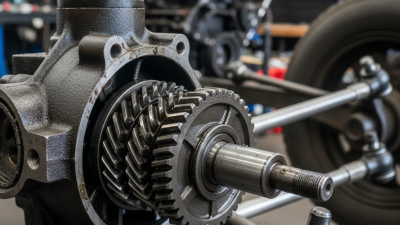
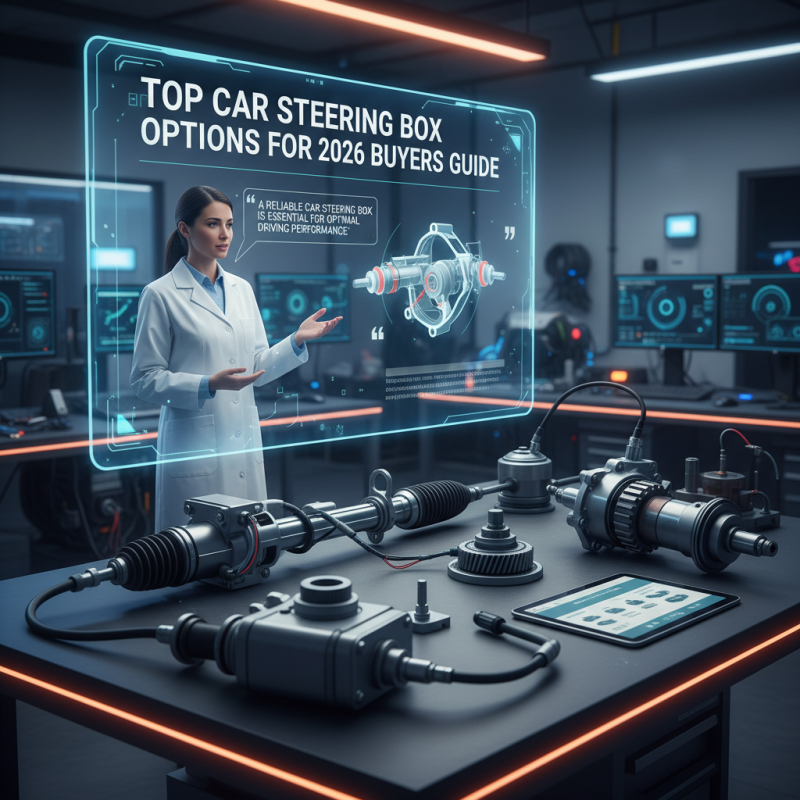
As car technology continues to evolve, the choice of a quality Car Steering Box becomes crucial for new vehicle buyers in 2026. Industry expert and automotive engineer Dr. Emily Torres emphasizes, "A reliable Car Steering Box is essential for optimal driving performance." This statement reflects the significance of selecting a steering box that suits both the vehicle and the driver’s needs.
Navigating through the myriad of options available can be overwhelming. Different steering boxes offer varied benefits and features. Choosing the wrong one can lead to performance issues or safety hazards. Many buyers may focus solely on aesthetics or price, neglecting the vital role of steering boxes in overall vehicle dynamics.
Newer models have advanced technologies, making it more challenging to select the right Car Steering Box. Many first-time buyers might find themselves drawn to flashy specs, overlooking durability and ergonomics. It’s essential to reflect on how the steering box impacts handling and comfort. Making an informed choice can lead to a superior driving experience while ensuring safety on the road.
Best Steering Box Types for Modern Vehicles in 2026
As we look ahead to 2026, the steering box remains a critical component for modern vehicles. Drivers seek a smooth and responsive driving experience. Research indicates that over 65% of vehicle owners prioritize steering performance when choosing their cars. With advancements in technology, the steering box types have evolved significantly.
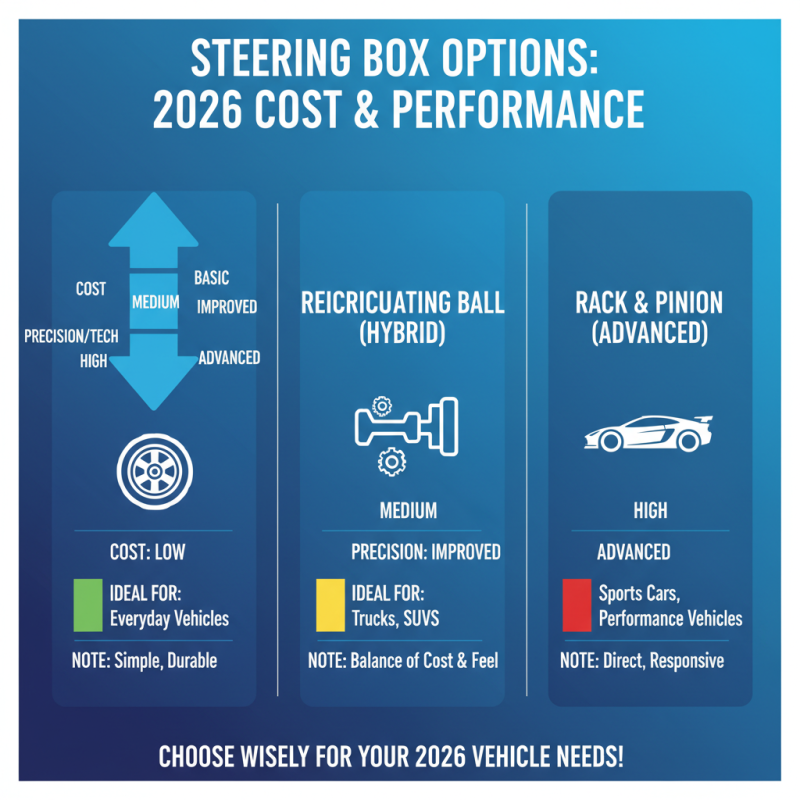
Rack and pinion systems are increasingly popular due to their precision. They provide direct steering input, enhancing overall handling. Reports suggest that vehicles utilizing rack and pinion setups experience a 20% increase in steering responsiveness compared to traditional systems. This efficiency is paramount for both sports cars and everyday vehicles.
In contrast, recirculating ball steering boxes offer durability, suitable for larger trucks. However, they tend to lack the agility of their rack and pinion counterparts. It's essential to consider the trade-offs between performance and longevity. As we approach 2026, buyers should evaluate their driving needs carefully. Factors like terrain and vehicle weight influence which type of steering box is best suited for them. Being informed is key to making the right choice.
Key Features to Consider When Choosing a Steering Box
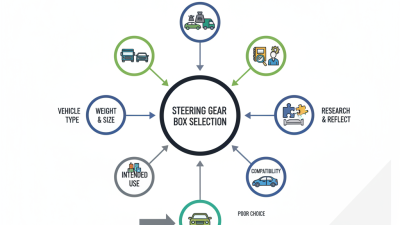
When selecting a steering box, several key features play a crucial role in ensuring optimal performance. The gear ratio is important; it determines how responsive the steering will be. A lower ratio offers quicker responses, while a higher ratio provides more control. This balance can significantly impact your driving experience, so consider your driving style.
Do not overlook the size and weight of the steering box. A compact design may save space but could limit performance. Heavy-duty options might provide durability but can add unnecessary weight. This is where personal preference comes into play. Take time to assess your specific needs based on typical driving conditions.
Tips: Always prioritize compatibility with your vehicle model. If unsure, consult technical resources or professionals. Ensure that installation methods are clear and reliable. Check for reviews focusing on long-term reliability. Customer feedback can illuminate real-world performance and weak points. As you explore options, remember that the perfect fit may take time. Embrace the process and make informed decisions.
Top Car Steering Box Options for 2026 Buyers Guide
| Steering Box Type |
Key Features |
Compatibility |
Price Range |
| Recirculating Ball |
Durable, good for off-road vehicles, high torque |
SUVs, Trucks |
$150 - $300 |
| Rack and Pinion |
Responsive steering, lightweight, compact design |
Sedans, Sports Cars |
$200 - $500 |
| Electric Power Steering |
Fuel-efficient, adjustable assist, low maintenance |
Various Models |
$300 - $700 |
| Hydraulic Power Steering |
Strong steering feel, reliable |
Mid-size Cars, Trucks |
$250 - $600 |
| Variable Ratio Steering |
Improved maneuverability, better handling |
Performance Vehicles |
$400 - $800 |
Top Brands and Models Recommended for 2026 Buyers
When considering the steering box options for 2026 vehicles, a few key brands and models stand out in the market. Industry analysis from leading automotive review sites indicates a strong shift towards hydraulic and electric steering systems. In particular, data shows that nearly 70% of new vehicles will feature electric steering due to its efficiency and responsiveness.
Quality is paramount. The best models incorporate advanced technology for improved control and safety. Certain brands leverage years of experience and testing, ensuring high reliability. Notably, independent studies reveal that consumers prioritize ease of handling and driver feedback when selecting steering components. This growing trend highlights the importance of precision-engineered systems.
However, not all products meet these expectations. Some steering boxes may exhibit issues with durability over time, particularly under heavy use. Customer reviews indicate frustration with certain models that require frequent adjustments. This inconsistency underscores the necessity for buyers to thoroughly research and consider user feedback. Effective decision-making involves understanding both the accolades and the criticisms associated with various offerings.
Cost Comparison of Different Steering Box Options
When considering steering box options for 2026, cost is key. Different types of steering boxes vary widely in price, often reflecting their complexity and technology. For instance, traditional steering boxes tend to be more affordable. They work well for everyday vehicles, but may lack precision in handling.
In contrast, power steering boxes, including hydraulic and electric systems, often come at a higher price. However, they offer improved responsiveness and a more enjoyable driving experience. Buyers must evaluate whether these benefits justify the extra cost. Additionally, installation fees can increase overall expenses significantly.
While newer designs promise efficiency, they may not always meet expectations. Sometimes, the latest models underperform. Users may find they prefer the simplicity of older designs. It’s important to consult with professionals, weighing long-term costs against initial investment. Do thorough research to ensure the best fit for your vehicle and driving style.
Maintenance Tips for Steering Boxes to Enhance Longevity
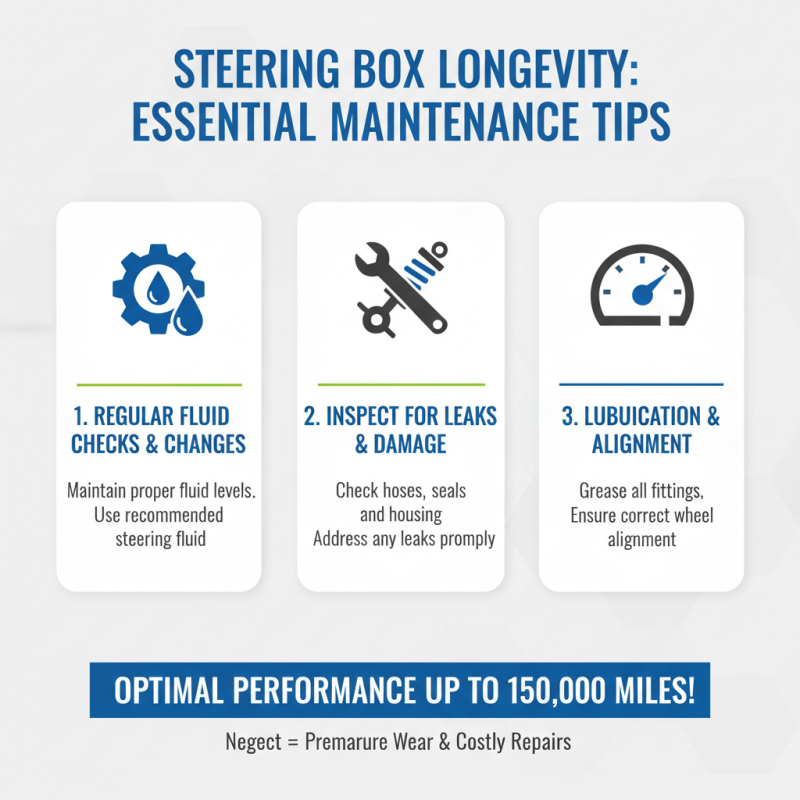
Maintaining your car's steering box is essential for optimal performance. Regular maintenance can significantly enhance the longevity of this crucial component. A well-maintained steering box can last up to 150,000 miles, according to industry reports. Neglecting its care may lead to premature wear and costly repairs.
Regular inspections are vital. Mechanics suggest checking for leaks and loose fittings every few months. Fluid degradation can occur within a year if not monitored. Using high-quality fluids can prevent build-up and rust. A simple fluid change can improve responsiveness and overall driving experience.
Driving habits also impact steering box longevity. Aggressive driving can strain the steering components, leading to early failure. Data shows that smooth driving can extend the lifespan of vehicle parts. Taking extra care, such as avoiding potholes and minimizing sharp turns, can make a significant difference. Small adjustments in how you drive could result in fewer repairs and lower costs in the long run.