Top 10 Steering Gear Box Options for Your Vehicle Needs?
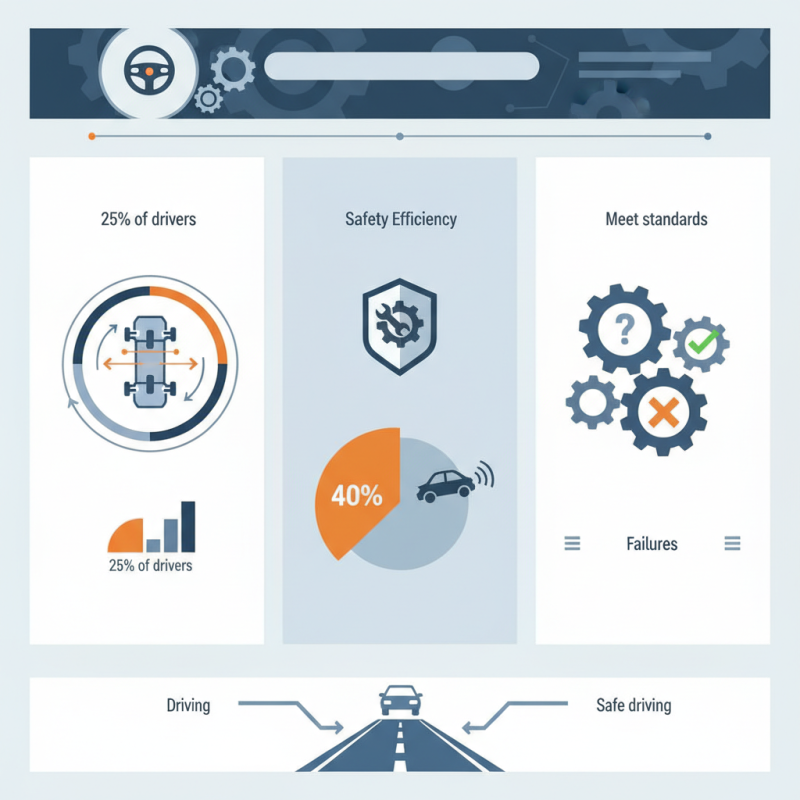
The steering gear box is a vital component in vehicle performance. It directs the wheels and influences handling. According to a recent automotive report, about 25% of drivers experience issues related to steering systems each year. This highlights the importance of choosing the right steering gear box.
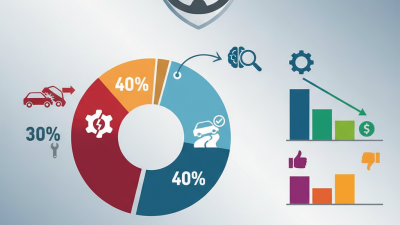
Different vehicles require specific gear boxes to ensure safety and efficiency. An unsuitable steering gear box can lead to handling problems. In a study by the Automotive Research Group, 40% of accidents were linked to steering system failures. This data should prompt vehicle owners to reevaluate their steering gear box options carefully.
Selecting the right steering gear box may seem straightforward, but it carries significant implications. Not every product guarantees the same quality. Many steering gear boxes may not meet industry standards, leading to unexpected failures. Reflecting on these factors is crucial for safe driving experiences.
Top Steering Gear Box Types Based on Vehicle Applications
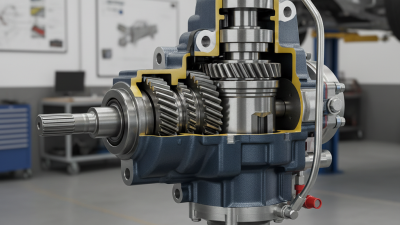
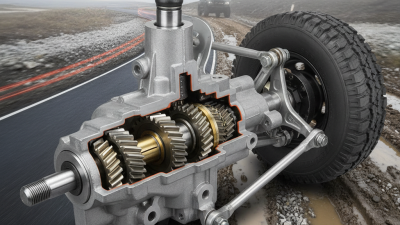
Choosing the right steering gear box is crucial for vehicle performance. Different types serve specific applications. Among them, recirculating ball, rack and pinion, and worm gear types are popular choices. Each type offers unique benefits based on vehicle use.
Recirculating ball gear boxes are common in trucks. They provide durability and strength for heavy loads. Studies show that about 70% of heavy-duty trucks use this type. On the other hand, rack and pinion systems are favored in sedans and sports cars. They offer better responsiveness and fuel efficiency. According to a recent automotive report, 60% of new passenger cars utilize rack and pinion designs. Compactness is another advantage, saving space under the hood.
However, selecting the wrong type can lead to performance issues. Some users report challenges with steering feel when mismatched options are used. It's important to consider weight, handling, and intended use. Professional recommendations often emphasize matching the steering gear to the vehicle type and driving conditions. Real-world data reveals a significant drop in handling effectiveness when misalignment occurs. This highlights the need for careful selection.
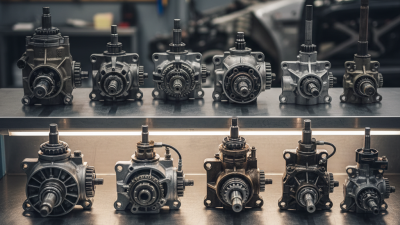
Top 10 Steering Gear Box Options for Your Vehicle Needs
Comparative Analysis of Rack and Pinion vs. Recirculating Ball Systems
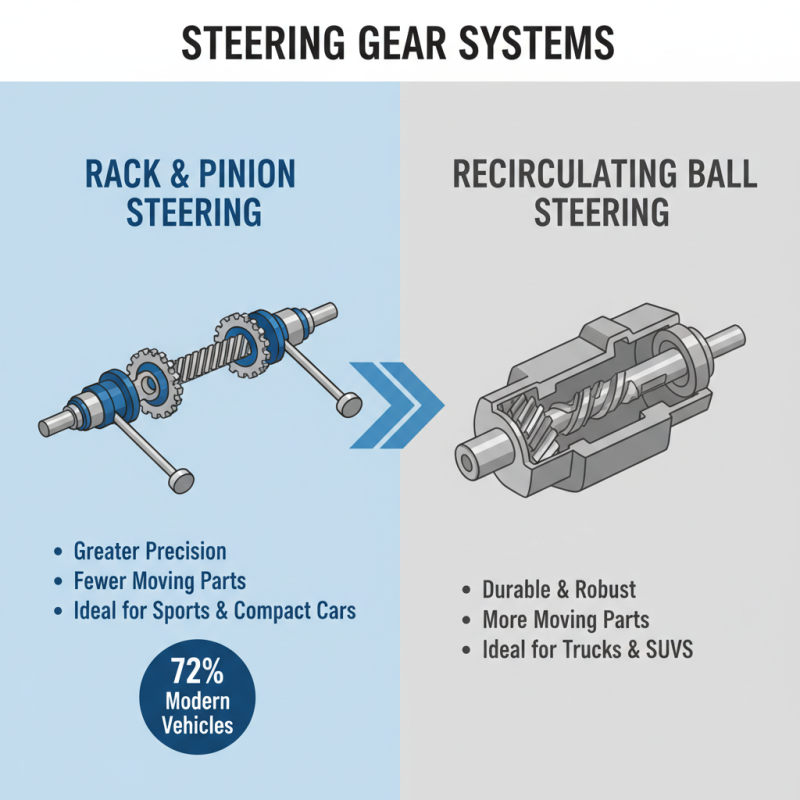
When choosing a steering gear, the two most popular systems are rack and pinion and recirculating ball. Each has unique features that cater to different needs. Rack and pinion setups tend to offer greater precision, making them ideal for sports and compact cars. These systems have fewer moving parts, which can enhance responsiveness. According to a recent industry report, around 72% of modern vehicles utilize rack and pinion systems due to their improved efficiency.
On the other hand, recirculating ball systems have a long-standing reputation for ruggedness. These systems feature a gearbox with a series of balls that help reduce friction. They are often found in trucks and larger SUVs because of their ability to handle heavier loads. However, their complexity can lead to a more cumbersome feel, which some drivers may find less appealing. Industry data suggests that despite the prevalence of rack and pinion systems, recirculating ball systems still hold a significant market share, especially in off-road vehicles.
Tips: Always consider your driving style. If you prefer a responsive feel, rack and pinion may be better. If you need durability for heavier vehicles, recirculating ball could be a smarter choice. Test both systems before making a decision. It’s essential to trust your instincts during the drive.
Understanding the Impact of Gear Ratio on Steering Response and Control
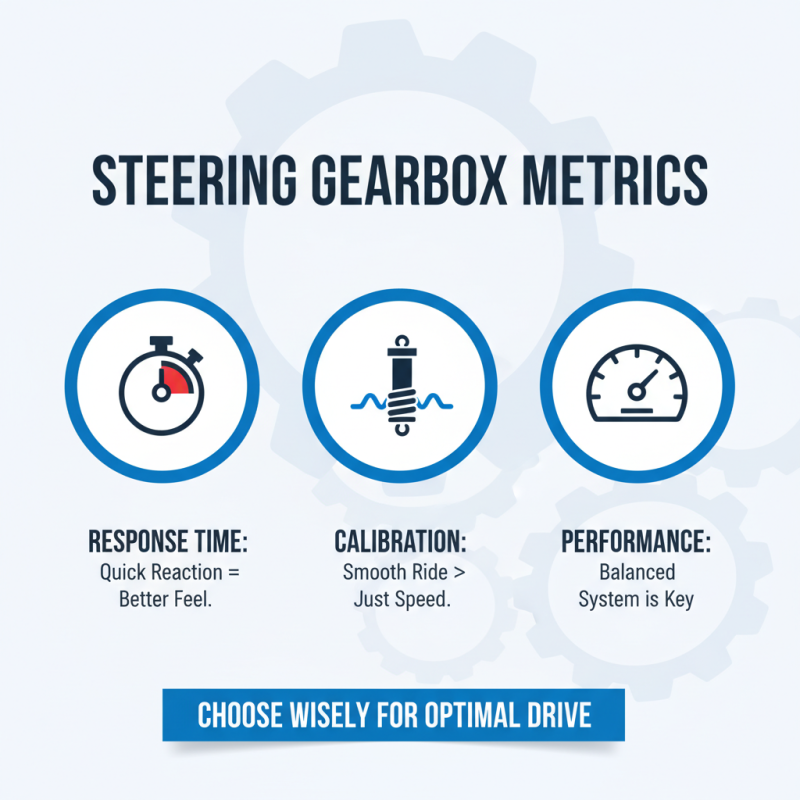
When it comes to steering gear boxes, understanding gear ratios is essential. The gear ratio significantly affects how responsive your steering is. A higher gear ratio can make steering feel very light. This may seem beneficial, but it can also reduce the driver's control, especially in high-speed situations. You might feel disconnected from the road.
Conversely, a lower gear ratio enhances steering feedback. It allows for more precise control. Drivers often feel more connected to their vehicle's performance with this setup. However, it can make parking maneuvers more challenging. Finding the balance between comfort and control is key. Some drivers prefer less effort in steering. Others prioritize responsiveness. It's a personal choice.
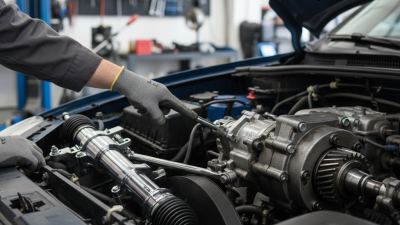
Maintenance also plays a role in steering performance. Regular checks ensure that the gear box functions properly. Issues like wear and tear can impact gear ratio effectiveness. It's easy to overlook these details until a problem arises. Ultimately, understanding the impact of gear ratios helps you choose the right steering system. Consider your driving style and vehicle type. It’s not a one-size-fits-all situation.
Insights into Brand Reliability and Customer Satisfaction Ratings
When selecting a steering gear box, understanding brand reliability is crucial. Reliability affects performance and overall vehicle safety. Customer satisfaction ratings provide insights into which options stand out. Look for products that consistently receive high ratings. They are often more dependable over time.
Tips: Always read user reviews. They reveal real-world experiences. Pay attention to common issues. Some brands may have durability problems. Don't ignore the feedback on customer service. A brand that supports its customers can make a significant difference.
In addition, think critically about your vehicle's needs. Not all steering gear boxes suit every vehicle model. Matching specifications is essential. Explore forums and discussions for more personalized insights. Engaging with fellow vehicle owners can offer valuable guidance. Always double-check ratings from multiple sources to avoid bias. Balancing quality and cost is challenging, but necessary for a good purchase.
Top 10 Steering Gear Box Options for Your Vehicle Needs
| Steering Gear Box Type |
Reliability Rating (out of 5) |
Customer Satisfaction (%) |
Warranty Period (Years) |
Average Price ($) |
| Rack and Pinion |
4.5 |
92 |
2 |
250 |
| Recirculating Ball |
4.0 |
85 |
3 |
300 |
| Electric Power Steering |
4.8 |
95 |
5 |
450 |
| Hydraulic Steering |
4.2 |
88 |
4 |
350 |
| Variable Ratio Steering |
4.7 |
90 |
3 |
400 |
| Belt-Driven Steering |
3.9 |
80 |
2 |
200 |
| Column-Mount Steering |
4.3 |
89 |
3 |
270 |
| Center Take-Off Steering |
4.1 |
86 |
3 |
400 |
| Integrated Steering |
4.6 |
91 |
4 |
500 |
| Electromechanical Steering |
4.4 |
93 |
5 |
460 |