Leave Your Message

Top 10 Steering Gearbox Types for Enhanced Vehicle Performance?

The performance of a vehicle heavily relies on its steering system. Among the key components, the Steering Gearbox stands out. This integral part translates the driver's input into precise movement. Different types of steering gearboxes can significantly impact handling and response.

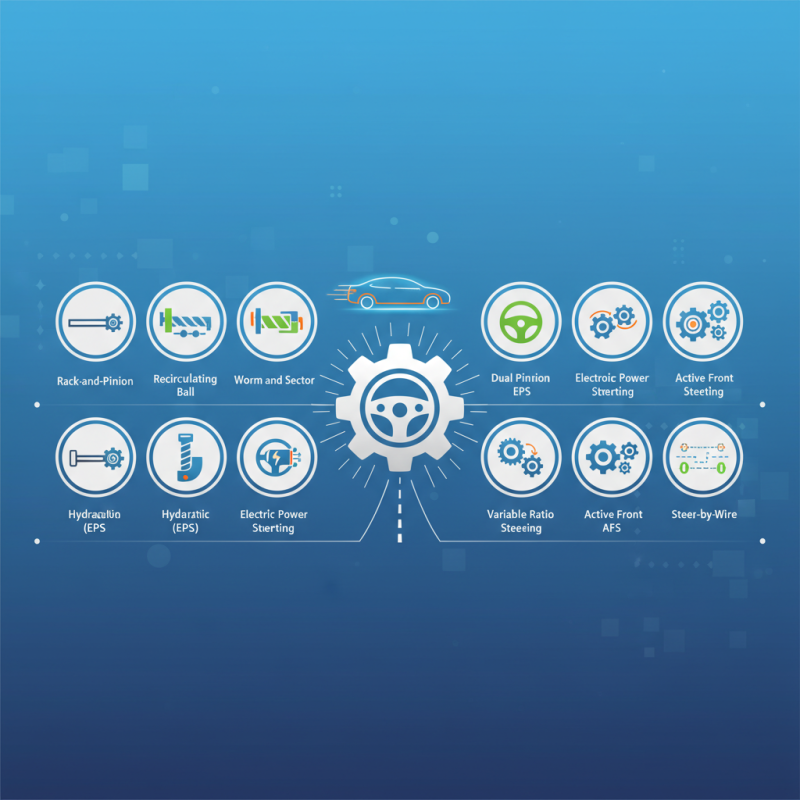
Various designs, like rack-and-pinion and recirculating ball, have their unique advantages and drawbacks. The choice of the right gearbox can enhance performance, yet many drivers overlook this aspect. Each type brings a specific feel to the steering wheel. In some cases, what feels best isn’t always the most effective.

It's important to reflect on how a Steering Gearbox affects overall driving experience. Even small changes can lead to better control or comfort. Understanding the options available can help drivers make informed decisions. Enhanced vehicle performance starts with the right steering choices.
Top 10 Steering Gearbox Types for Enhanced Vehicle Performance?

Understanding the Basics of Steering Gearboxes

Top 10 Steering Gearbox Types for Enhanced Vehicle Performance?

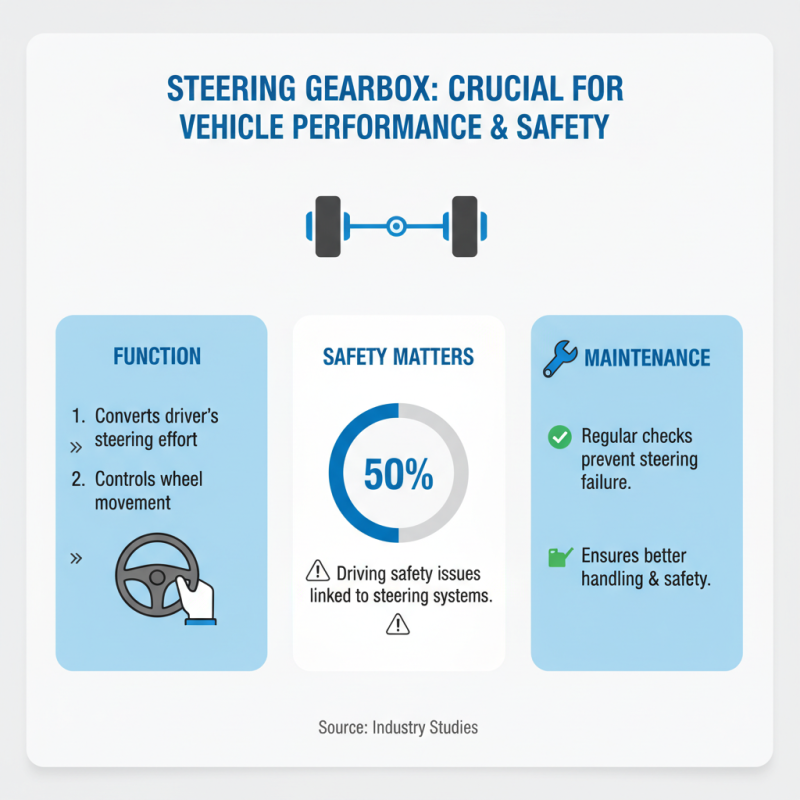
Steering gearboxes play a crucial role in vehicle performance. They convert the driver's steering efforts into effective wheel movement. Understanding the basics can help improve vehicle handling and safety. According to industry studies, nearly 50% of all driving safety issues relate to steering systems. Regular maintenance of steering gearboxes can prevent steering failure.

There are different types of steering gearboxes. Each type has its own advantages and drawbacks. For instance, rack and pinion gearboxes are common in modern vehicles due to their simplicity. They offer quicker response times but may wear out faster under heavy loads. Conversely, recirculating ball gearboxes provide durability but often have less accurate steering feel. This trade-off can confuse many vehicle owners.

Data from automotive research shows that an optimized steering system can enhance vehicle stability by up to 30%. Before making a choice, one must consider driving style and environmental conditions. An ideal setup might not exist for everyone. A thorough understanding of the steering gearbox is essential for making informed decisions.
Different Types of Steering Gearboxes and Their Functions

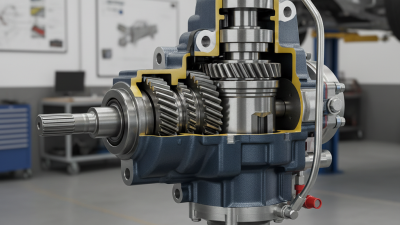
Steering gearboxes play a crucial role in vehicle performance. There are several types, each with distinct functions. The most common types include rack and pinion. This system offers direct steering response. It’s popular for its simplicity and compact design. Another type is the recirculating ball gearbox. This is often found in larger vehicles. Its design allows for greater torque transfer but can sometimes lead to less precise handling.

The worm gear system is also noteworthy. It provides excellent steering control but can wear out over time. Vehicle owners should be aware of this. Power steering gearboxes use hydraulic or electric assist. This eases the steering effort, enhancing driver comfort. However, they can add complexity and may require more maintenance. The choice of steering gearbox can heavily influence driving dynamics.

There’s room for improvement in understanding these systems. Many drivers may not recognize the symptoms of wear. This neglect can lead to serious handling issues. Learning about these types can help drivers make informed choices. With the right gearbox, vehicles can perform better, offering a more enjoyable driving experience.

Advantages of Each Steering Gearbox Type for Vehicle Performance

When discussing steering gearboxes, it's crucial to examine their advantages. Each type contributes uniquely to vehicle performance.

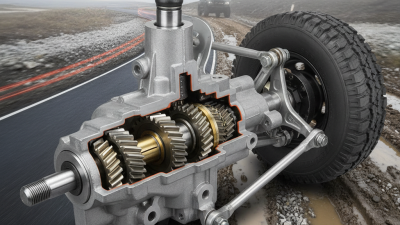
The rack-and-pinion gearbox stands out for its simplicity and responsiveness. It offers direct steering input, providing drivers with precise control. In contrast, recirculating ball systems generate greater torque. This type is often found in larger vehicles, enhancing stability. However, they can feel heavier, which may not suit sporty driving.

Another noteworthy option is the dual pinion gearbox. This design allows for quicker steering response at lower speeds. It can improve maneuverability in tight spaces. Yet, some users report a lack of feedback compared to other types. Finally, electric power steering systems are becoming popular. They allow for variable assistance, adapting to different driving conditions. While they enhance fuel efficiency, critics argue they may compromise the connected feel drivers crave. Exploring these varied options illustrates the complexity of steering systems and their impact on vehicle dynamics.

Top 10 Steering Gearbox Types for Enhanced Vehicle Performance

This chart displays the performance ratings of the top 10 steering gearbox types. Each type is rated on a scale from 0 to 10 based on its impact on vehicle performance, providing insights into which steering systems may enhance driving dynamics and control.

Factors to Consider When Choosing a Steering Gearbox

Choosing the right steering gearbox can greatly impact vehicle performance. Drivers should consider various factors before making a decision. First, think about the vehicle type. Different vehicles require specific steering styles. For example, sports cars benefit from precise gearboxes, while larger vehicles may need something sturdier.

Next, assess the input and output ratios. A higher ratio typically offers quicker steering response. However, this can compromise stability at high speeds. Weight and size also matter. A heavy gearbox might affect overall vehicle dynamics. It’s essential to find a balance between performance and comfort.

Listening to feedback is crucial. Some drivers prefer a box that feels loose, while others want a tighter connection. Consider your personal driving style. Testing different gearboxes can reveal preferences. Ultimately, each choice carries potential drawbacks. Being mindful of them can lead to an informed decision.

Top 10 Steering Gearbox Types for Enhanced Vehicle Performance

Steering Gearbox Type Advantages Disadvantages Best Used In
Rack and Pinion Provides better road feel and response. May not be as durable in some conditions. Small to mid-sized vehicles.
Recirculating Ball Durable and capable of handling heavy loads. Less precise than rack and pinion. Larger vehicles and trucks.
Power Steering Eases steering effort, especially at low speeds. Can fail and require repairs. Most modern vehicles.
Electro-Hydraulic Improved efficiency and response. Requires electric components that can fail. Performance cars and premium vehicles.
Variable Ratio Steering Enhances handling and stability. More complex and may be costly to maintain. Sports cars and high-performance models.
Steering Gearbox with Integrated Sensor Improves feedback for advanced driving systems. Higher manufacturing costs. Autonomous and semi-autonomous vehicles.
Double Pinion System Better torque and overall steering performance. Increased size and weight compared to single pinion. SUVs and off-road vehicles.
Compact Steering Gearbox Saves space while providing good performance. Limited performance under heavy loads. City cars and hatchbacks.
Universal Steering Gearbox Versatile and adaptable for many setups. May not excel in any specific application. Custom builds and classic cars.
Pitman Arm Gearbox Excellent for larger steering systems. Requires more maintenance. Trucks and industrial vehicles.

Maintenance Tips for Optimal Steering Gearbox Performance

Maintaining your steering gearbox is critical for vehicle performance. Neglecting this component can lead to serious issues. According to industry reports, improper maintenance may shorten the lifespan of the gearbox by up to 50%. Regular inspections help detect leaks and wear, ensuring safe and smooth operation.

Lubrication is essential. Use high-quality fluid for optimal performance. Low-quality fluids can degrade quickly. This can lead to increased friction and excessive heat. Check fluid levels monthly, especially if you notice unusual sounds or handling. A study revealed that 30% of vehicle owners overlook this crucial step.

Cleaning is another often ignored task. Dirt and debris can build up, affecting performance. Ensure connections and seals remain clean. Implementing a cleaning regime can enhance responsiveness. Regular maintenance, paired with awareness, can prevent costly repairs down the line.