Top 5 Tips for Sourcing Mitsubishi Steering Boxes Globally?
Sourcing Mitsubishi Steering Boxes globally can be a daunting task for many businesses. With numerous options available, knowing how to navigate this landscape is crucial. The demand for high-quality steering boxes continues to grow, making it important to find reliable and experienced suppliers.
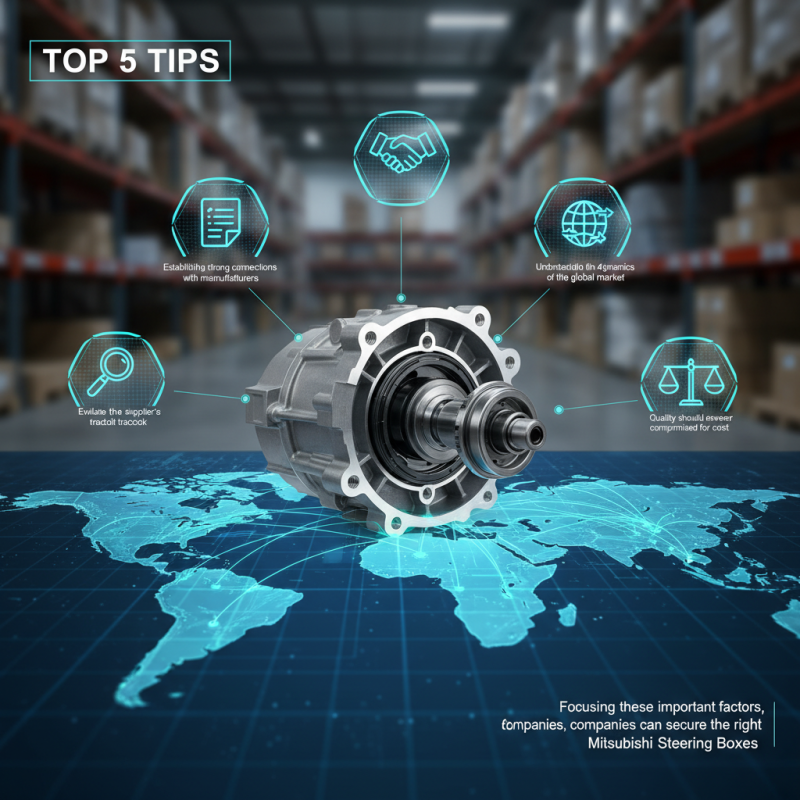
Establishing strong connections with manufacturers is key. A well-sourced Mitsubishi Steering Box can significantly enhance vehicle performance. It is essential to evaluate the supplier's track record to ensure consistency and quality. Many companies overlook this step, leading to future complications.
Understanding the dynamics of the global market will also play a vital role. Prices can vary, impacting budget considerations. Quality should never be compromised for cost. Reflecting on these aspects can lead to better sourcing decisions. By focusing on these important factors, companies can secure the right Mitsubishi Steering Boxes for their needs.
Understanding the Importance of Quality in Mitsubishi Steering Boxes
Quality is paramount when sourcing steering boxes for vehicles. A reliable steering system enhances vehicle performance and safety. Choosing high-quality components reduces the likelihood of failures and costly repairs. A poor-quality steering box can lead to serious operational issues, affecting both performance and driver safety.
It's essential to evaluate suppliers carefully. Research their manufacturing processes and material sources. Check certifications that ensure quality standards. Reliable suppliers often offer guarantees, reflecting their confidence in their products. However, not every supplier will meet these criteria. The challenge lies in distinguishing trustworthy manufacturers from those lacking integrity.
Stay informed about advancements in steering technology. Innovations can improve durability and performance. Engaging with experts in the field can provide valuable insights into emerging trends. Yet, maintaining a critical eye is necessary. Not all innovations translate to superior quality. Some may prioritize cost-saving over performance, which can lead to regret in the long run. Developing a nuanced understanding of quality helps make informed sourcing decisions.
Top 5 Tips for Sourcing Mitsubishi Steering Boxes Globally
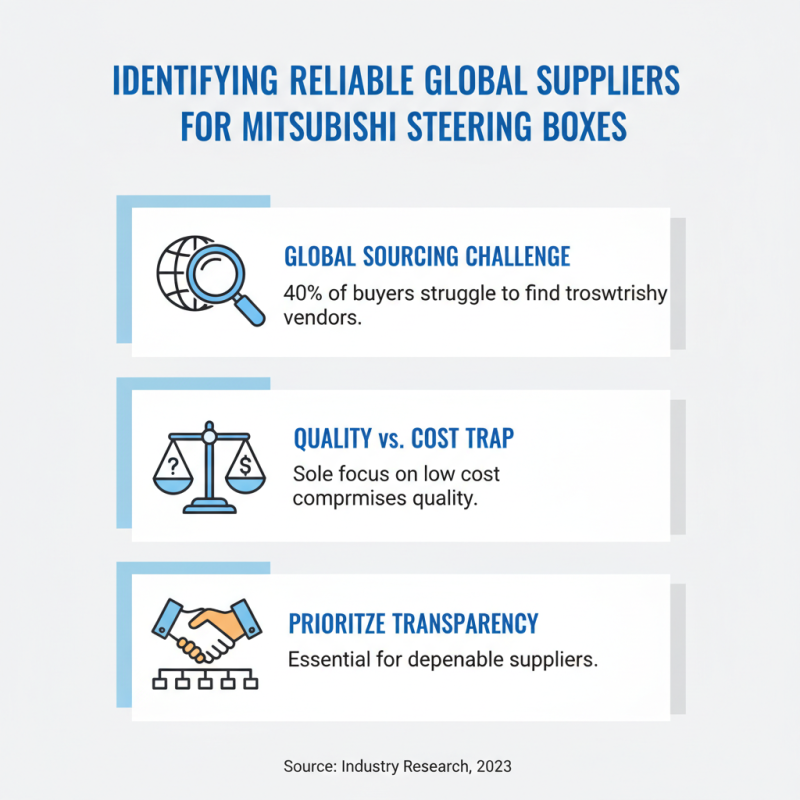
Identifying Reliable Global Suppliers for Mitsubishi Steering Boxes
Sourcing Mitsubishi steering boxes globally requires a keen eye for reliable suppliers. Research shows that 40% of buyers still face challenges in identifying trustworthy vendors. Relying solely on cost can lead to compromises in quality. It's essential to prioritize suppliers that demonstrate transparency in their operations.
A pivotal factor is reviewing supplier certifications. According to industry standards, a recognized certification can reduce defects by up to 30%. Look for suppliers who have earned quality management system certifications. Additionally, consider leveraging platforms that specialize in connecting manufacturers with verified suppliers. This strategy not only streamlines sourcing but also enhances accountability.
Communication is crucial in this process. In a recent survey, 75% of businesses reported that direct engagement with suppliers improved their sourcing experience. Be clear about your needs, ask questions, and gauge responsiveness. Continuous dialogue can illuminate any potential red flags. An adaptable mindset is important as market dynamics change frequently. Understanding that no supplier is perfect can prompt further diligence in your selection process.
Evaluating the Technical Specifications of Mitsubishi Steering Boxes
When sourcing Mitsubishi steering boxes globally, evaluating technical specifications becomes crucial. Understanding compatibility with various vehicle models is essential. Research by the Automotive Research Council shows that over 30% of steering failures are linked to improper specifications. Each model may require specific torque settings and dimensions that impact overall performance.
Material quality is another aspect to evaluate. Many steering boxes are made from steel or aluminum. A report from the Global Automotive Components Association indicates that corrosion resistance improves lifespan significantly. Lesser-known materials may lead to premature failure. OEM specifications provide clear guidelines, but assessing market alternatives adds value.
Keep in mind the importance of weight and size in steering box selection. Some sources suggest that a lighter assembly improves handling but may compromise durability. Balancing these factors often requires a thorough analysis of engineering data. This decision involves risks, as not all alternatives will meet performance benchmarks. Finding reliable suppliers with proven track records is key to successful procurement.
Establishing Effective Communication Channels with Suppliers
Establishing effective communication channels with suppliers is crucial. Poor communication can lead to misunderstandings and delays. A recent industry report indicated that companies with strong supplier communication are 25% more efficient. It’s essential to be clear and concise in your interactions. This includes using straightforward language without jargon.
Utilizing technology can enhance communication. For instance, collaborative platforms for sharing documents help mitigate errors. Video calls can also build rapport, making suppliers feel valued. However, relying solely on digital tools can lead to disconnect. Regular face-to-face meetings, when possible, foster stronger relationships.
Feedback loops are critical. Supplier performance feedback informs improvements. This can show suppliers that you value their input. A survey highlighted that 40% of suppliers appreciate constructive feedback. It helps them adjust and align better with your needs. Balancing technology with personal interactions can enhance supplier relations. Communication should be a two-way street, ensuring both parties feel heard and understood.
Top 5 Tips for Sourcing Mitsubishi Steering Boxes Globally
| Tip Number |
Sourcing Tips |
Communication Strategy |
Follow-Up Actions |
| 1 |
Research Potential Suppliers |
Utilize online platforms and databases |
Compile a list of verified suppliers |
| 2 |
Evaluate Product Quality |
Request samples and conduct audits |
Assess quality control processes |
| 3 |
Negotiate Pricing and Terms |
Engage in open discussions |
Review contracts thoroughly |
| 4 |
Establish Clear Logistics |
Set shipping schedules and conditions |
Confirm delivery timelines |
| 5 |
Maintain Ongoing Communication |
Use multiple channels (email, phone, messaging) |
Schedule regular check-ins |