What Are the Top Power Steering Gear Types?
Choosing the right Power Steering Gear begins with understanding how steering force travels from the driver’s hands to the road wheels. Rack-and-pinion systems feel direct and compact. They suit many passenger cars and lighter vehicles. Recirculating-ball gears offer greater durability and leverage. They remain common in trucks, buses, and heavy-duty applications.
Automotive steering engineer Richard Parry-Jones once said, “Good steering should communicate the road clearly without demanding constant correction.” That principle still matters. A driver notices it through the steering wheel. The wheel may feel light during parking, then firm at highway speed. Small changes can reveal a worn gear, poor adjustment, or incorrect fluid pressure.
This guide compares the top Power Steering Gear types by design, response, strength, maintenance, and vehicle suitability. It examines hydraulic rack-and-pinion gears, recirculating-ball gears, electric power steering gears, and integrated steering units. Each type has practical advantages. Each also has limitations.
The comparison is not perfectly simple. Vehicle weight, suspension geometry, tire size, and driving conditions can change the result. A technically advanced gear may still perform poorly when poorly matched. That deserves attention.
Real workshop experience also challenges neat specifications. A gear can meet factory measurements yet feel vague on the road. Conversely, an older unit may deliver surprisingly precise feedback after proper rebuilding. Readers should therefore consider service history, seal condition, gear backlash, assist pressure, and replacement availability.
By the end, the differences should become easier to judge. Not every vehicle needs the newest design. The best Power Steering Gear is the one that delivers controlled movement, predictable feedback, and dependable service in its intended environment.
Define Power Steering Gear Types Using SAE J670 and ISO 8855 Terms
What Are the Top Power Steering Gear Types?
Define Power Steering Gear Types Using SAE J670 and ISO 8855 Terms
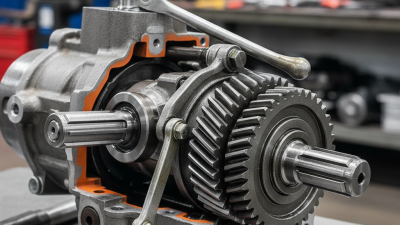
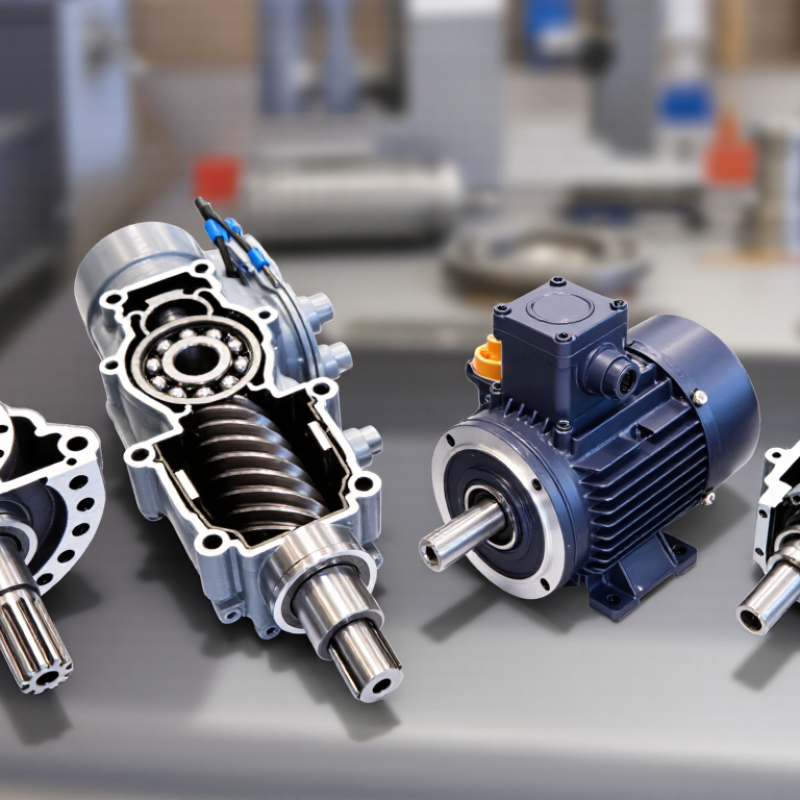
Power steering gears convert steering-wheel input into road-wheel movement. Common designs include rack-and-pinion and recirculating-ball gears. Rack-and-pinion systems use a pinion gear and toothed rack. They usually feel direct and compact. Recirculating-ball systems use a worm gear, ball bearings, and a sector mechanism. They can provide strong output for heavier vehicles. These are mechanical gear layouts, not official categories created by SAE J670 or ISO 8855.
SAE J670 and ISO 8855 mainly standardize vehicle-dynamics language. Their terms help describe steering-wheel angle, road-wheel angle, steering effort, and directional response. A careful technician should separate the steering gear type from the assistance method. Hydraulic, electric-hydraulic, and electric assistance describe how steering force is supported. They do not identify the internal gear design. This distinction prevents vague service reports. It also improves communication during testing. Real vehicles can blur these boundaries, especially when electric actuators replace traditional hydraulic components.
Tips:
Confirm the gear layout before ordering parts. Inspect backlash, fluid leakage, mounting play, and tie-rod movement. Use the steering-wheel angle and road-wheel angle consistently. Do not assume a heavy steering feel proves gear failure. Tire pressure, alignment, suspension friction, and sensor calibration can create similar symptoms. SAE J670 and ISO 8855 offer useful vocabulary, but they do not replace measured diagnosis. My earlier instinct would be to label every electric system an “electric steering gear.” That wording is often too broad.
Recirculating-Ball Gears: 16:1–24:1 Ratios for Heavy-Duty Loads
Among power steering gear types, recirculating-ball gears are built for demanding loads. Their 16:1 to 24:1 steering ratios favor control over quick response. Inside, steel balls travel between the worm shaft and a grooved nut. This reduces sliding friction and spreads force across larger contact surfaces. The steering wheel may need more rotation. That trade-off feels deliberate. On a heavy vehicle, it can make low-speed maneuvering calmer and more predictable.
In workshop inspections, I look for steering-wheel play before blaming the pump. Worn bearings, loose sector-shaft adjustment, or damaged ball circuits can create vague response. A small dead zone is not harmless. It can grow under load. Fresh lubricant matters, but grease cannot repair worn metal. I also check mounting bolts, pitman-arm movement, and fluid leaks around seals. Road feel provides clues: a notch near center may suggest internal wear, while uneven effort can point to linkage or hydraulic problems. Diagnosis is sometimes less obvious than expected.
The 16:1 ratio usually feels more responsive than 24:1, yet the best choice depends on axle load, tire size, and operating conditions. A slower ratio may reduce steering effort and help protect components during repeated heavy maneuvers. However, it can feel cumbersome in tight spaces. Specification sheets should be read with the complete steering system, not in isolation. I once treated ratio as the deciding factor; that was too simplistic. Seal condition, adjustment accuracy, and driver expectations can matter just as much. Test carefully, then adjust cautiously.
Worm-and-Sector Gears: Legacy Designs with 70–120 bar Hydraulic Assist
Worm-and-sector steering gears are legacy designs known for sturdy construction and strong hydraulic assistance. A worm shaft rotates a sector gear, converting steering-wheel movement into pitman-arm motion. Hydraulic pressure reduces the driver’s effort, especially with heavy front axles. In many applications, working pressure ranges from 70 to 120 bar. Actual pressure depends on vehicle load, valve calibration, fluid temperature, and pump condition. The range is not universal.
The steering response often feels deliberate rather than quick. That character can suit trucks, utility vehicles, and older commercial platforms. During inspection, check for sector-shaft play, fluid leaks, damaged seals, and uneven steering effort. A pressure gauge can reveal weak pump output or a restricted control valve. However, pressure alone does not prove the gear is healthy. Internal wear may still create a vague center position.
These gears can tolerate harsh service when adjusted correctly and lubricated with the specified fluid. Their broad mechanical contact surfaces also support useful durability. They are not perfect. Excessive adjustment may reduce free play temporarily, then accelerate tooth wear. I have seen steering feel improve after adjustment, only to become stiff near the center later. That result demands caution. Technicians should compare steering effort in both directions and verify return-to-center behavior before approving the vehicle.
What Are the Top Power Steering Gear Types?
Worm-and-Sector Gears: Legacy Designs with 70–120 bar Hydraulic Assist
Worm-and-sector steering gears are legacy designs that commonly use hydraulic assist pressures in the 70–120 bar range. The chart shows the lower and upper ends of this operating range; the midpoint is approximately 95 bar.