2026 Top Steering Gear Box Trends for Global Buyers?
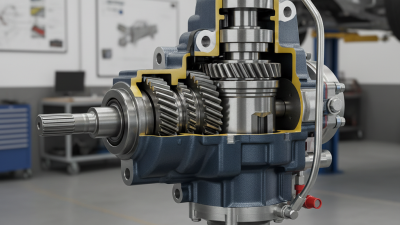
In the evolving landscape of automotive technology, the Steering Gear Box stands at the forefront of innovation. Experts predict significant trends in this sector as we approach 2026. John S. Harris, a leading authority in automotive engineering, asserts, "The Steering Gear Box is crucial for enhancing vehicle control and safety." His insights highlight the importance of reliable and efficient steering systems.
Global buyers are increasingly focused on advanced manufacturing techniques. This shift influences everything from design to functionality. Although manufacturers are responding, challenges remain in areas like sustainability and cost-effectiveness. Many industry stakeholders express concern over technological integration. Factors such as electric vehicles and autonomous driving are shaping new expectations for Steering Gear Box performance.
As trends emerge, it is vital to analyze their implications. The competition will amplify, pushing boundaries in research and development. Buyers must stay informed to make the best choices. The need for robust, adaptable solutions in the Steering Gear Box industry is undeniable. Balancing innovation with practicality remains a challenge for many manufacturers and consumers alike.
Current Market Dynamics of Steering Gear Boxes in 2026
As we approach 2026, the market dynamics surrounding steering gear boxes are rapidly evolving. Increased focus on electric and autonomous vehicles drives innovation in this sector. Manufacturers are prioritizing lightweight materials and advanced engineering to enhance performance. These materials can improve fuel efficiency and reduce carbon footprints. Moreover, there is a notable shift towards integrating smart technologies, enabling real-time data collection for improved handling.
Regulatory changes and consumer preferences are shaping the steering gear box landscape. Buyers demand not only efficiency but also sustainability. This creates a challenge for producers to strike a balance between performance and environmental concerns. As market competition intensifies, companies must also ensure compliance with safety standards. Adapting to these shifts is not without difficulties; some firms may find it challenging to keep pace with technological advancements.
In response to these dynamics, collaboration within the industry is on the rise. Partnerships focused on research and development can foster innovation. However, not all collaborations yield successful outcomes, leading to reassessment of strategies. The path ahead is complex, and all stakeholders must remain agile and responsive to market changes. Understanding these dynamics will be crucial for global buyers navigating the steering gear box market in 2026.
Key Technological Innovations Impacting Steering Gear Box Designs
The steering gear box plays a crucial role in vehicle handling and safety. As we move toward 2026, innovative technologies are significantly shaping its design. Electric steering systems are replacing traditional hydraulic units, enhancing efficiency and responsiveness. This shift not only reduces weight but also improves fuel economy, a critical factor for today's eco-conscious buyers.
Advanced materials are also influencing the steering gear box landscape. Manufacturers are experimenting with lightweight composites and high-strength alloys. These materials increase durability while minimizing the overall weight of the vehicle. However, the challenge remains to balance strength and cost-effectiveness in production.
Moreover, the integration of smart technology presents both opportunities and hurdles. Sensors that provide real-time feedback can enhance steering precision. However, manufacturers must ensure these systems are robust and reliable, as they directly impact driving safety. Collectively, these innovations pave the way for improved performance yet pose challenges in terms of integration and long-term reliability. The ongoing evolution demands constant reflection and adjustment in both design and manufacturing processes.
Emerging Trends in Sustainability for Steering Gear Box Production
The steering gear box industry is witnessing significant transformations in sustainability practices. Increasing awareness of environmental issues pushes manufacturers to adopt greener production methods. Recycled materials are becoming common in steering gear box components. This shift not only reduces waste but also minimizes the need for new raw materials.
Energy-efficient manufacturing processes are gaining traction. Companies are exploring innovative techniques to cut down energy consumption during production. Implementing renewable energy sources, like solar or wind, shows promise. However, not all companies readily embrace these changes. Some face challenges in transitioning their traditional methods.
Regulatory pressures often drive the need for sustainable practices. Compliance with stringent environmental regulations forces companies to innovate. Yet, many still struggle to meet these new standards. Continuous improvement is necessary. This journey requires commitment and a willingness to adapt. The future of steering gear box production hinges on balancing efficiency, cost, and environmental responsibility.
2026 Top Steering Gear Box Trends for Global Buyers - Emerging Trends in Sustainability for Steering Gear Box Production
| Trend |
Description |
Impact on Production |
Sustainability Focus |
| Electric Steering Systems |
Increased adoption of electric steering technologies for efficiency. |
Reduction in energy consumption during operation. |
Use of recyclable materials in components. |
| Lightweight Materials |
Shift towards using composites and advanced alloys to reduce weight. |
Improves fuel efficiency in vehicles. |
Sourcing of raw materials from sustainable suppliers. |
| Modular Design |
Development of modular systems for easy upgrades and repairs. |
Reduces waste and extends product life cycle. |
Encourages reusability of components. |
| Smart Steering Technology |
Integration of IoT and AI for real-time adjustments. |
Improved vehicle performance and safety. |
Reduction in resource consumption via predictive maintenance. |
| Recycling Initiatives |
Focus on recycling steering components at end of life. |
Promotes circular economy practices. |
Maximizing use of recycled materials in production. |
Regional Market Analysis: Leading Players in Steering Gear Box Supply
The steering gear box market is evolving rapidly, especially with key regions showing distinct trends. According to industry reports, North America and Europe are currently the leading markets due to their advanced automotive sectors. In 2023, North America accounted for over 35% of the global market share.
While these regions dominate, Asia-Pacific is catching up. The production capabilities in countries like China and India are expanding. The CAGR for the Asia-Pacific region is projected to be around 7% from 2023 to 2026. This shift indicates a growing demand for steering gear boxes in emerging markets.
Tips: Buyers should focus on local production capabilities. Understanding regional dynamics enhances supply chain efficiency. Choose suppliers who adapt to trends and regulations.
Investors should also be cautious. Over-reliance on a single market can be risky. Diversifying sourcing strategies may provide stability. Data shows that companies with diversified suppliers are generally more resilient during market fluctuations.
2026 Top Steering Gear Box Trends for Global Buyers
Future Projections: Consumer Preferences and Demand Shifts in 2026
In 2026, consumer preferences regarding steering gear boxes will undoubtedly shift.
More drivers are looking for enhanced comfort and safety features. According to a recent market analysis, the steering gear box segment is expected to grow by 5.1% annually through 2026. This trend reflects a broader consumer interest in vehicles that integrate advanced technologies.
Connectivity and automation are becoming crucial. A significant portion of buyers now favor steering systems that support autonomous driving capabilities. Reports show that 70% of consumers express a desire for vehicles equipped with these innovations. Additionally, energy efficiency remains a priority as more buyers opt for electric vehicles. The steering gear box must adapt accordingly to promote sustainability while maintaining performance.
Manufacturers face challenges in meeting these demands. Some report difficulties in balancing cost and quality during the production process. This often leaves room for improvement in product reliability. As preferences evolve, companies must stay agile and innovate. Future success hinges on understanding these shifts and responding effectively.