What You Need to Know About Car Steering Box Options?
When considering your vehicle's performance, the Car Steering Box plays a crucial role. It connects the steering wheel to the wheels. A well-functioning steering box ensures smooth handling and responsive maneuverability. On the other hand, a faulty box can result in challenges. It may cause drifting or increased effort when turning. These issues can be annoying and potentially dangerous.
Understanding the options available for your Car Steering Box is essential. There are many types, including manual, power, and rack-and-pinion systems. Each option has its pros and cons. When selecting, one must weigh factors like driving style and vehicle type. A choice that suits one driver may not be ideal for another.
Moreover, a common mistake is not consulting experts during this selection process. Mechanics often have valuable insights. Their experience can save you time and money. By reflecting on these aspects, you can make a well-informed decision. This will lead to better driving experiences.
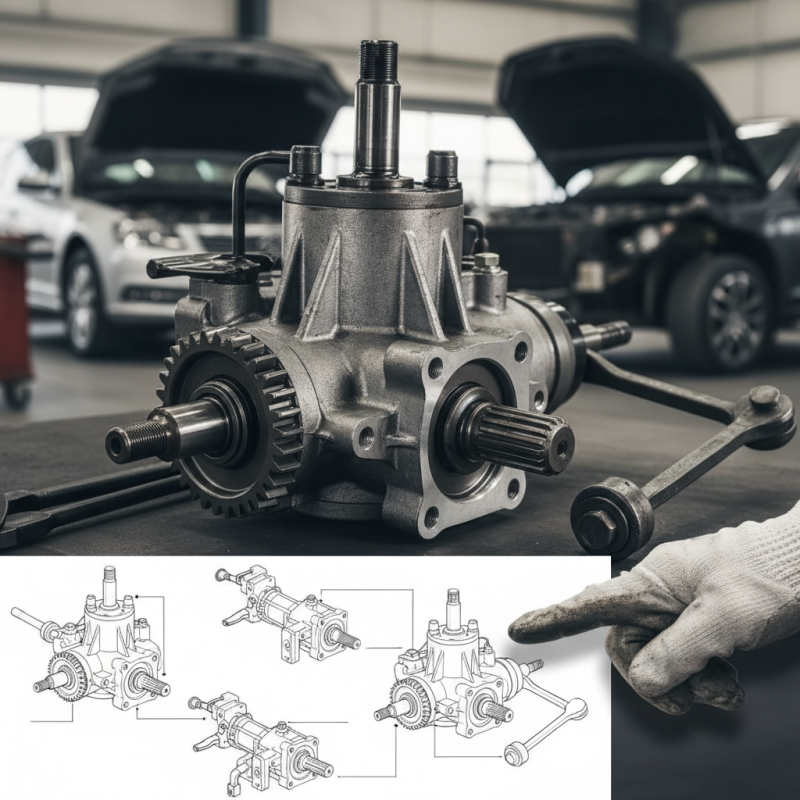
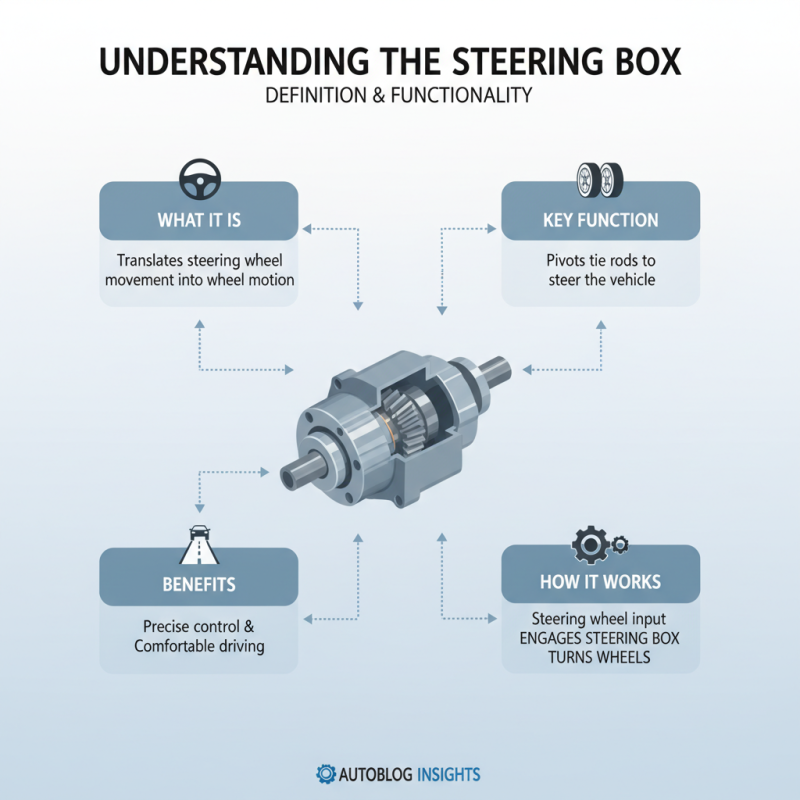
Understanding the Steering Box: Definition and Functionality
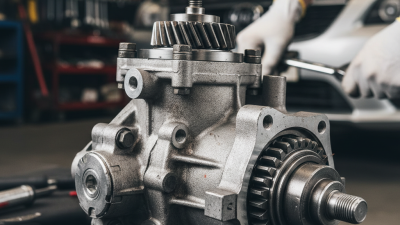
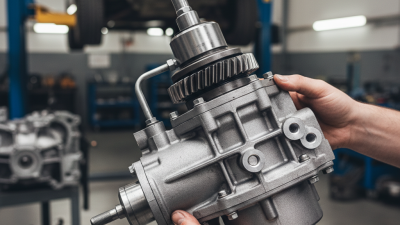
The steering box is a vital component in vehicle handling. It translates the movement of the steering wheel into the motion of the wheels. A properly functioning steering box provides precise control and ensures a comfortable driving experience. When you turn the wheel, it engages the steering box, which then pivots the tie rods to steer the vehicle.
Understanding the types of steering boxes available is essential. The two most common types are recirculating ball and rack-and-pinion. Recirculating ball boxes allow for better handling in larger vehicles, while rack-and-pinion systems are more responsive and are typically found in smaller, sports-oriented cars. It's important to assess your driving habits and vehicle requirements.
**Tips:** Regularly check for unusual sounds or tightness when steering. These could indicate wear in the steering box. Consider consulting with a professional to evaluate any steering issues. Investing in high-quality steering components can prevent future problems. Always choose options that suit your vehicle's intended use. Understanding these elements ensures better performance and safety.
Types of Steering Boxes: Comparisons Between Recirculating and Rack-and-Pinion
When choosing a steering box, it's essential to understand the two primary types: recirculating and rack-and-pinion. Each has unique characteristics that impact driving experience and vehicle control.
Recirculating ball steering boxes are known for their durability. They’re often found in older vehicles and trucks. This type offers good feedback and control at lower speeds. However, they can feel less responsive at higher speeds. Many drivers find the steering less precise compared to rack-and-pinion systems. Adjusting these boxes can also be complicated, requiring a skilled technician.
On the other hand, rack-and-pinion steering systems provide a more modern solution. They are lighter and offer direct steering feel. Drivers often appreciate their responsiveness, especially during sharp turns. These systems have fewer moving parts, which makes maintenance easier. Yet, they can wear out faster under heavy use. Understanding these differences can help drivers make informed choices about their vehicles. The choice ultimately depends on personal needs and driving styles.
What You Need to Know About Car Steering Box Options
| Steering Box Type |
Description |
Advantages |
Disadvantages |
Typical Applications |
| Recirculating Ball |
Uses a set of ball bearings to allow for smooth steering. |
Good for heavy vehicles; durable. |
Less precise steering feel; more complex design. |
Classic cars, trucks, and SUVs. |
| Rack-and-Pinion |
Transforms rotational motion into linear motion for steering. |
More precise steering; lighter weight. |
Can wear out faster; sensitive to road conditions. |
Modern cars, sports cars, and compact vehicles. |
| Electric Power Steering (EPS) |
Uses an electric motor to assist in steering. |
Improved fuel efficiency; adaptable to driving conditions. |
Can be expensive to repair; may feel disconnected. |
Most modern vehicles, hybrids, and electric cars. |
Key Factors in Selecting a Steering Box: Compatibility and Performance
Selecting the right steering box for your vehicle can significantly impact your driving experience. Compatibility with your car model is paramount. Mismatched parts can lead to steering issues, affecting performance and safety. It's essential to verify that the steering box matches your vehicle's specifications. Always consult with manuals or experts to ensure proper fitment.
Performance should be at the forefront of your decision. A steering box that handles well will enhance maneuverability. Look for options with responsive feedback and stability. It's helpful to test different models if possible, as personal preference plays a role. However, not every steering box will feel perfect. Some may require adaptation time, and others may not meet expectations right away.
Remember, even with thorough research, you may face challenges. Real-world conditions can differ from theoretical compatibility. Being open to adjustments is necessary. Even with guidance, the perfect option may still need fine-tuning. This learning process can lead to improved understanding and ultimately to better choices in the future. Trust your instincts and experiences as you navigate your options.
Common Issues with Steering Boxes: Symptoms and Maintenance Solutions
Steering boxes are crucial for vehicle handling. Common issues often arise from wear and age. Symptoms can vary, but they typically include unusual noises, steering play, and difficulty turning the wheel. Most drivers overlook these signs until they become severe. Recognizing these symptoms early can save you time and money in repairs.
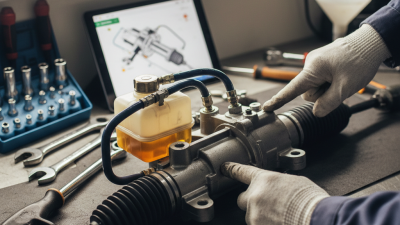
Regular maintenance is key to prolonging the life of your steering box. Checking fluid levels is essential. If the fluid appears dirty or low, it is time to address the problem. Tightening loose connections can sometimes resolve steering play. Moreover, inspecting the linkage for any signs of wear is prudent. Faulty seals can also lead to leaks and should not be ignored.
It’s easy to neglect these issues, thinking they will go away. However, procrastination may lead to more significant problems down the line. A diligent driver prioritizes functional steering. Consider your comfort and safety. Address any symptoms as soon as they arise to avoid potential hazards. Regular check-ups with a qualified technician can enhance your vehicle's performance and your driving experience.
Common Issues with Steering Boxes: Symptoms and Maintenance Solutions
Industry Trends in Steering Box Technology: Advancements and Innovations
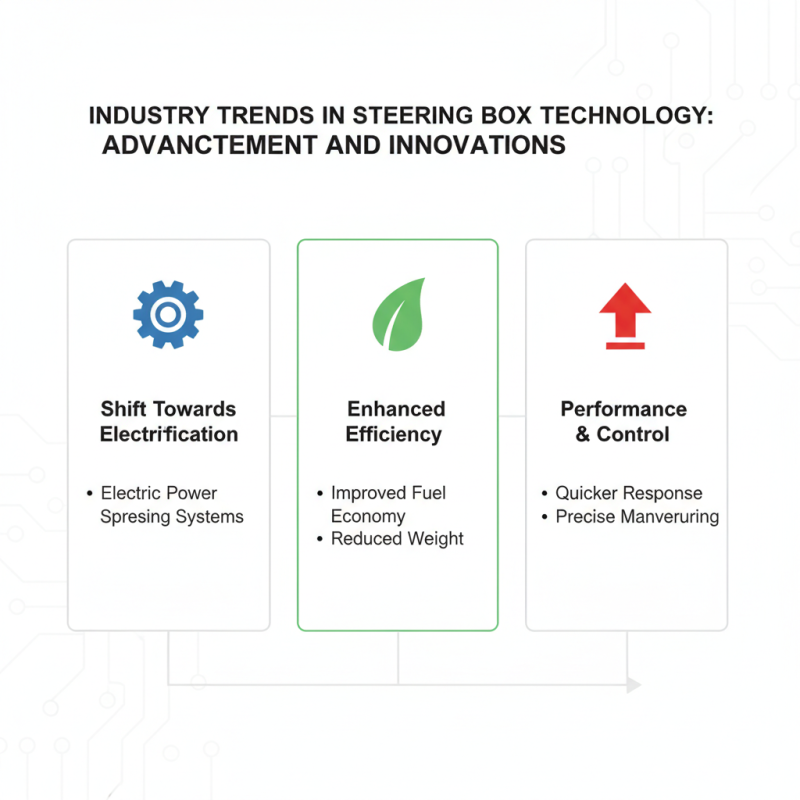
The automotive industry is witnessing exciting trends in steering box technology. Innovations are reshaping the way vehicles handle. Today, manufacturers are focusing on electric power steering systems, which enhance fuel efficiency and reduce weight. This shift towards electrification is becoming a standard, allowing for quicker responses and precise control during maneuvers.
Moreover, advancements in materials have led to lighter and more durable steering boxes. Manufacturers are experimenting with high-strength composites and aluminum alloys. These materials not only reduce weight but also improve durability. However, the challenge remains in balancing weight reduction with structural integrity. Engineers must continuously optimize designs to enhance performance without compromising safety.
Integration of smart technology is another emerging trend. Sensors and software now play a critical role in steering performance. Adaptive steering systems can adjust based on driving conditions and user preferences. These systems promise a new level of customization for drivers. Yet, as with any technology, reliability is a concern. Ensuring these systems function flawlessly under all conditions is paramount. Constant testing and improvement will be essential to perfect these innovations.