How to Choose the Right Car Steering Box for Your Vehicle?
Choosing the right Car Steering Box is crucial for your vehicle's performance. The steering box is vital for steering control and handling. An inappropriate choice can lead to steering failures and safety issues.
Before making a decision, consider your vehicle’s make and model. Each vehicle has distinct requirements for its steering system. Factors such as the weight of the vehicle and intended use can significantly influence your choice. For instance, a high-performance car may require a specialized steering box. You must also assess the steering type, whether it’s manual or power-assisted.
Research is essential in this process. Consult reputable sources or professionals for guidance. Look for reviews and experiences shared by other drivers. A common mistake is neglecting compatibility, which could compromise the steering efficiency. Take your time, and think critically about your options.
Understanding Different Types of Car Steering Boxes and Their Mechanisms
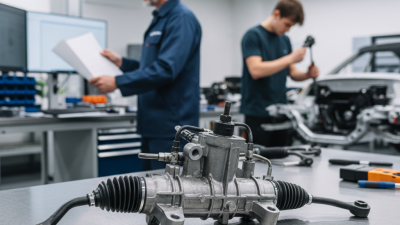
When selecting a car steering box, it's crucial to understand its type and mechanism. Three primary types exist: recirculating ball, rack-and-pinion, and worm gear. Each design caters to specific driving experiences and vehicle types. According to industry studies, over 60% of modern vehicles now utilize rack-and-pinion systems due to their compact size and responsive steering.
The recirculating ball system is often found in heavier vehicles. It offers a higher torque ratio. This can be beneficial, but it may not provide the same driver feedback as other types. In contrast, the worm gear system is less common in new models, but it plays a vital role in older cars that need robust, gearbox-based steering solutions.
Understanding these mechanisms aids in making informed choices. Factors such as driving style and vehicle purpose play significant roles. Not all drivers require precision steering; some may prefer the stability of a recirculating ball system. Reflecting on personal driving needs can help clarify which steering box is ideal, though it may also uncover potential areas for improvement in vehicle handling.
Evaluating Vehicle Specifications: Weight, Size, and Steering Requirements
Choosing the right steering box hinges on understanding your vehicle's specifications, especially weight, size, and steering requirements. A heavier vehicle often demands a sturdier steering box. According to the Society of Automotive Engineers (SAE), vehicles over 4,500 pounds usually require a heavy-duty steering system. This is crucial for maintaining control and stability.
In contrast, smaller cars or those weighing less than 3,000 pounds can operate effectively with a standard steering box. Evaluating your vehicle’s weight will guide you in selecting a steering box that balances performance and safety. Moreover, size considerations also play a vital role. The available space in your vehicle’s engine bay can limit your options. Measure the dimensions carefully before making a decision.
**Tips:** Always review your vehicle’s manual. It contains valuable insights about steering systems. Additionally, consult with automotive experts to seek tailored advice based on your needs. Steering specifications should align with driving style and terrain. Off-road vehicles typically need a more robust solution than ones designed for highway driving. Reflect on your driving habits when making this choice.
Steering Box Weight and Size Comparison
This chart compares the weight and size of steering boxes for different vehicle types. Understanding these specifications is crucial for selecting the appropriate steering box for your vehicle to ensure optimal handling and performance.
Comparing Mechanical vs. Power Steering Boxes: Pros and Cons
Choosing the right steering box for your vehicle is crucial. It affects handling, comfort, and safety. Mechanical steering boxes are the traditional choice. They offer a direct connection between the steering wheel and the wheels. This provides excellent feedback to the driver. However, the effort required can be high, especially at low speeds. Driving in tight spaces may become challenging.
On the other hand, power steering boxes enhance ease of use. They use hydraulic or electric systems to assist the driver. This reduces the physical effort needed to turn the steering wheel. It makes maneuvering effortless, particularly for larger vehicles. Yet, this assistance can sometimes diminish the feeling of control. Drivers may feel less connected to the road.
Both systems have unique advantages and limitations. Mechanical systems may lead to fatigue over long drives. Power steering could compromise the driving experience for purists. Understanding these trade-offs is essential for an informed decision. The perfect choice will depend on your driving habits and vehicle type. Consider your needs carefully before making a decision.
Key Factors in Steering Box Selection: Torque, Ratio, and Responsiveness
Selecting the right car steering box is vital for vehicle performance. Three key factors enhance driving experience: torque, ratio, and responsiveness. Torque affects steering effort. A higher torque can provide better control, especially for larger vehicles. Reports indicate that vehicles with higher torque ratings often show improved maneuverability in tight situations.
Steering ratio is another critical element. A lower ratio signifies quicker wheel response. This feature is essential for sports cars, where agility matters. Conversely, a higher ratio suits larger vehicles, ensuring stability at high speeds. According to industry standards, an ideal steering ratio for everyday sedans ranges from 14:1 to 18:1. This range balances ease of steering and vehicle stability.
Responsiveness plays a crucial role in driver confidence. An overly responsive steering box can lead to sensitivity issues. Drivers may feel disconnected if tweaks are made to improve feedback. These design choices often come with trade-offs. Some vehicles may prioritize a smooth ride over quick steering response. Understanding these nuances is essential for making informed choices.
Installation Considerations: Compatibility and Professional Assistance Needs
When selecting a car steering box, installation compatibility is crucial. The steering box must match your vehicle's specifications. Mismatches can lead to steering issues, making the vehicle unsafe to drive. It's essential to know the exact model of your vehicle before purchasing a new steering box. Research is important, as even minor differences can impact performance.
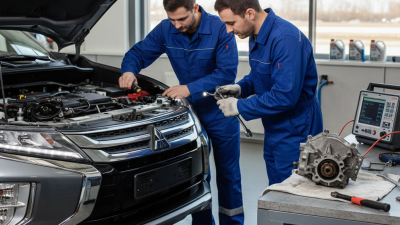
Professional assistance is often necessary for installation. Although DIY enthusiasts may feel confident, steering systems are complex. Incorrect installation can lead to unwanted problems. Engaging a qualified mechanic ensures that the steering box fits and functions flawlessly. They can also verify if other components need attention during the installation, which is often overlooked.
Consider the tools needed for installation. Sometimes, special equipment is required for proper fitment. Missing tools can complicate the process and lead to delays. Taking time to assess whether you have the necessary skills and tools is helpful. Reflect on whether a professional's expertise would save you time and effort in the long run.