How to Choose the Right Steering Box for Your Vehicle?
Choosing the right Steering Box for your vehicle is crucial for effective handling. A well-selected Steering Box enhances your driving safety and comfort. Understanding your vehicle’s needs is the first step in making an informed decision.
Not all Steering Boxes are the same. Each vehicle model has unique requirements. Factors such as driving style, terrain, and load capacity play a vital role. A robust Steering Box improves stability, while a precise one allows for better maneuverability.
However, the process can be daunting. Common mistakes include overlooking compatibility and quality. Researching brands and seeking expert advice can help. It's not just about cost but reliability and performance. Invest time in identifying the perfect Steering Box, as it significantly impacts your driving experience.
Understanding the Different Types of Steering Boxes Available
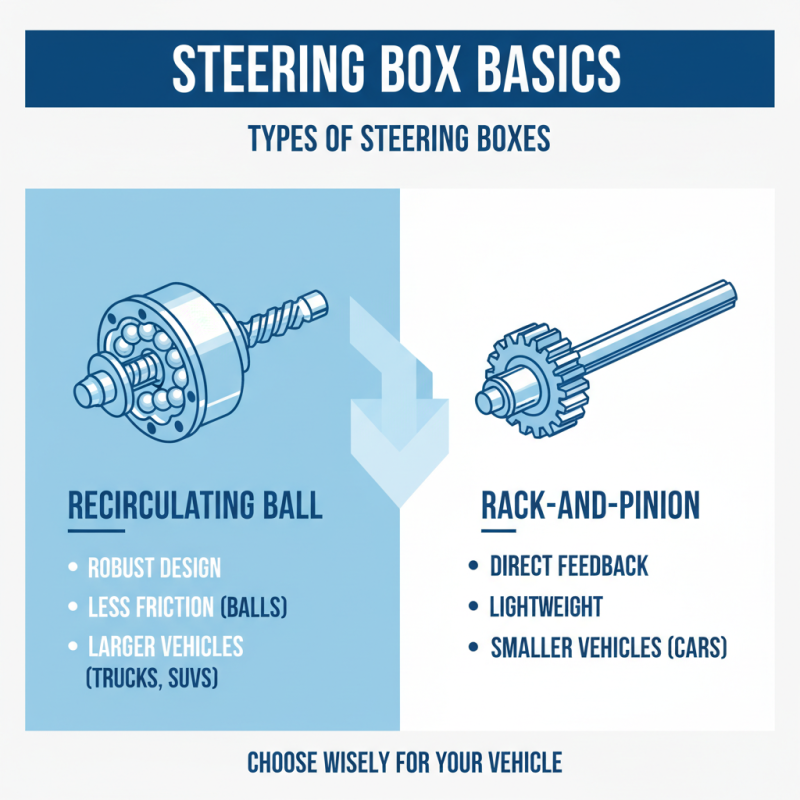
When choosing a steering box, understanding the different types is crucial. There are two main types: recirculating ball and rack-and-pinion steering boxes. Each type has distinct features and benefits. The recirculating ball system uses a series of balls to reduce friction. It is generally robust and suited for larger vehicles. Meanwhile, rack-and-pinion boxes offer direct feedback and are lighter. They are often found in smaller, more nimble vehicles.
Installation and maintenance can vary between types. A recirculating ball setup may require more frequent adjustments to maintain performance. On the other hand, rack-and-pinion systems tend to be more straightforward. However, they can be sensitive to alignment issues. This difference is essential to consider. The choice you make can impact your driving experience significantly.
Think about your driving style and vehicle type. Off-road enthusiasts might prefer a heavy-duty box. Urban drivers may appreciate the responsiveness of a rack-and-pinion system. Besides, don’t forget to consider the overall compatibility with your vehicle’s design. Researching and weighing these options ensures a better driving experience.
Assessing Your Vehicle's Compatibility with Steering Box Options
Choosing the right steering box can be daunting. Your vehicle's compatibility is crucial in this process. It ensures safety and performance. Start by checking your vehicle's specifications. Understand the steering type it currently uses. Some cars have recirculating ball systems, while others use rack and pinion setups.
Next, consider the steering box output ratio. This measurement affects how responsive the steering feels. A higher ratio means less turning at the wheel for the same response on the road. Assess your driving style too. Do you prefer a tight, responsive feel, or a more relaxed steering experience? Your choice must align with your needs.
Be mindful of installation requirements as well. Some steering boxes may need additional modifications. Pay attention to your vehicle’s space and mounting points. An incompatible box can lead to frustration. Take time to research options and read user reviews. Draw on your community for insights. Relying on trusted sources is best, but remember to weigh that against your unique situation. The right choice can enhance your driving experience significantly.
How to Choose the Right Steering Box for Your Vehicle?
| Vehicle Model |
Steering Box Type |
Compatibility Rating |
Price Range ($) |
| Ford F-150 (2015-2022) |
Recirculating Ball |
High |
250 - 400 |
| Chevrolet Silverado (2014-2022) |
Rack and Pinion |
Very High |
300 - 500 |
| Toyota Tacoma (2016-2022) |
Recirculating Ball |
Moderate |
200 - 350 |
| Nissan Titan (2016-2022) |
Hydraulic |
High |
250 - 450 |
| Ram 1500 (2013-2022) |
Electric Power Steering |
Very High |
350 - 600 |
Key Features to Look for When Selecting a Steering Box
Choosing the right steering box is crucial for vehicle performance. Start by considering the type of vehicle. Some require more precision, while others may prioritize durability. For high-performance cars, a quick ratio steering box can enhance response times. This feature helps drivers maintain control during sharp turns.
Another key feature to evaluate is the construction material. Steel boxes tend to be more durable than aluminum. However, the weight difference can affect fuel efficiency. Look for options with reinforced components. They provide better resistance to wear and tear, especially for heavy-use vehicles.
Don’t overlook compatibility with your vehicle’s steering linkage. A mismatch can lead to steering issues. Check for adjustable options that allow fine-tuning. It’s essential to match the steering box to your driving style. A box that feels right for one driver may not work for another. This personalization can make a significant difference in driving experience.
Evaluating Performance and Durability of Steering Boxes
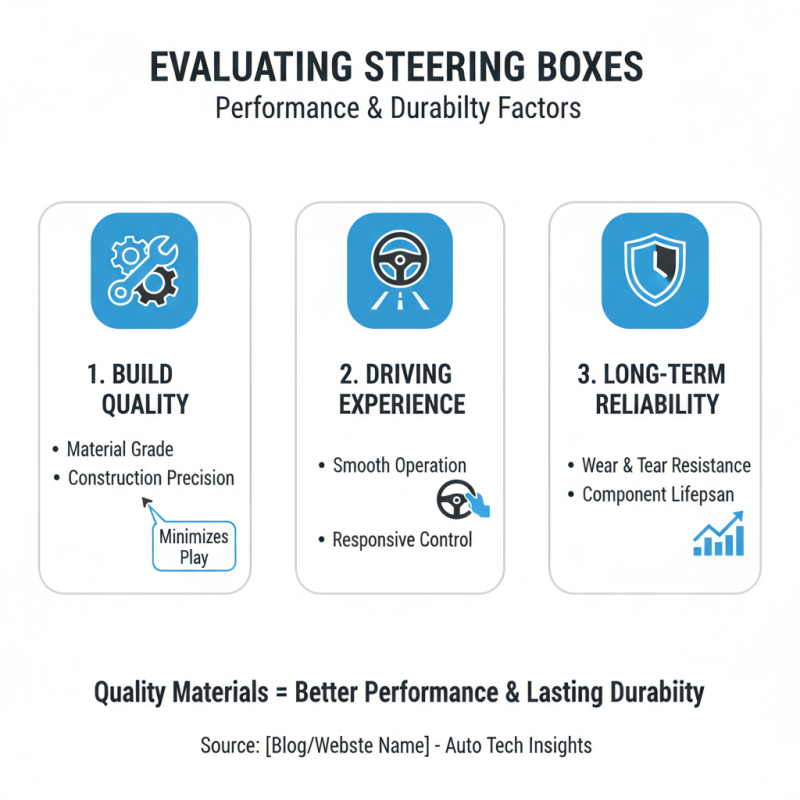
When evaluating the performance and durability of steering boxes, several key factors must be considered. The build quality of the steering box significantly affects its long-term reliability. Higher-quality materials tend to withstand wear and tear better than cheaper alternatives. Pay close attention to the construction; a well-built steering box minimizes play and offers a smoother driving experience.
Next, consider how the steering box's design affects vehicle handling. A responsive steering box enhances control, especially during sudden maneuvers. Look for features like adjustable ratios, which let you fine-tune how quickly the vehicle responds to steering input. It's important to weigh these options based on your driving style and needs.
Moreover, do not overlook the importance of regular maintenance. Even the best steering box can falter without proper care. Check fluid levels and look for signs of leaks periodically. An overlooked steering box can lead to serious handling issues. Engaging with knowledgeable mechanics can provide insights into the longevity and performance of different steering options.
Installation Considerations for Your Chosen Steering Box
When selecting the right steering box, installation considerations play a crucial role. A well-installed steering box ensures better vehicle handling and safety. According to a 2022 report from the Automotive Research Institute, incorrect installation accounts for 35% of steering issues in vehicles. It's vital to follow guidelines for mounting and alignment, as even minor misalignments can lead to premature wear.
Adjusting the steering box to fit your vehicle's specific parameters is another critical aspect. This includes understanding the torque specifications and using proper tools for tightening. Reports indicate that failing to adhere to these specifications can lead to a 20% increase in failure rates. Often, inexperienced DIY mechanics overlook these details, leading to significant long-term problems.
Additionally, environmental factors can affect the installation process. Moisture, dust, and extreme temperatures can impact the longevity of your steering box. Ensure that you work in a controlled environment if possible. According to industry experts, investing time in preparation can reduce reinstallation efforts by up to 40%. Reflecting on common installation errors can save you from repeat tasks and frustration.
Steering Box Types and Their Performance Ratings
The chart above illustrates the performance ratings of different types of steering boxes commonly used in vehicles. The ratings reflect aspects such as responsiveness, ease of use, and durability, helping you make an informed choice when selecting the right steering box for your vehicle.