Leave Your Message
-
Phone
-
E-mail
-
Whatsapp
-
Wechat

Choosing the right Power Steering Gear in 2026 requires more than matching a part number. The decision affects steering effort, road feedback, safety, fuel use, and long-term maintenance. A gear that fits physically may still deliver poor control. That difference appears during parking, emergency lane changes, and repeated operation on rough roads.
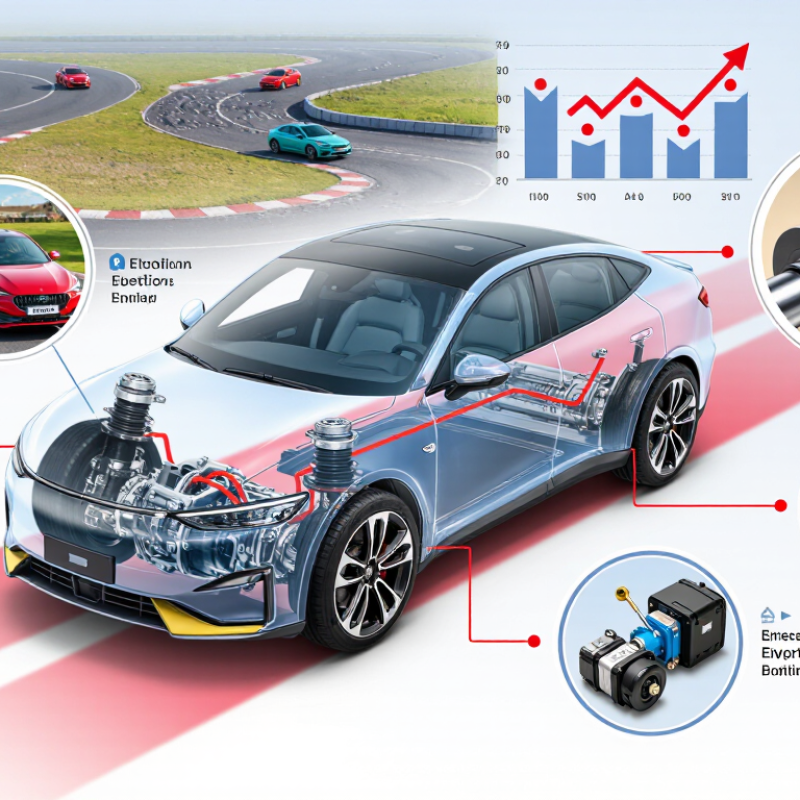
Market data shows why careful selection matters. Grand View Research reports continued growth in the global automotive steering system market through 2030, driven by vehicle electrification, tighter efficiency targets, and advanced driver-assistance systems. Fortune Business Insights also identifies electric steering adoption as a major market force. However, reports measure different product categories. Their numbers do not always agree. That is worth remembering.
Peter Holdmann, a senior ZF executive in vehicle motion technology, has stated, “Steering is the most important system in a vehicle.” His point is practical. Buyers should compare steering ratio, maximum input torque, mounting geometry, sealing performance, assist compatibility, and supplier test records. Do not trust appearance alone.
Small details matter. Inspect the input shaft splines. Check the housing for casting damage. Confirm whether the gear supports hydraulic, electro-hydraulic, or electric assistance. Review operating temperature limits and corrosion testing. Ask how replacement calibration will be completed after installation.
The cheapest option can become expensive. Yet premium branding is not automatic proof of quality. A reliable choice combines documented specifications, verified compatibility, traceable manufacturing, and realistic service support. For 2026, the best Power Steering Gear is the one that fits the vehicle, suits its workload, and remains predictable after thousands of steering cycles.
How to Choose the Right Power Steering Gear in 2026?
Understanding Power Steering Gear Types and Their Functions
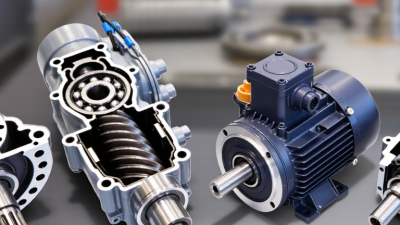
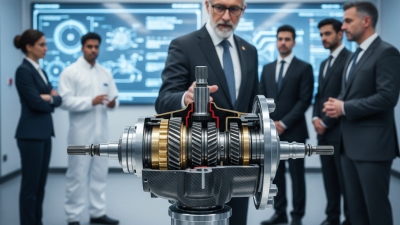
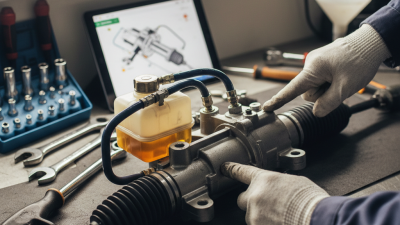
Power steering gear converts driver input into controlled wheel movement. Rack-and-pinion systems use a compact rack and pinion to turn the front wheels. They offer direct response and suit many modern passenger vehicles. Recirculating-ball gears use ball bearings inside a worm-and-sector mechanism. Their stronger design often supports heavier vehicles and demanding steering loads. The correct type must match the vehicle’s chassis, suspension, and original steering layout.
Hydraulic steering gears use pressurized fluid to reduce steering effort. They provide familiar feedback, but leaks, worn seals, and pump noise require careful inspection. Electric power steering gears use a motor, torque sensor, and control unit. They can improve efficiency and adjust assistance according to speed. In 2026, some systems also communicate with stability and driver-assistance functions. Calibration may matter as much as mechanical fit.
I check the gear ratio, mounting points, input shaft, hydraulic ports, and electrical connectors before selection. Small differences can create poor center return or uneven steering effort. I also compare the original torque rating and steering angle. A replacement may look identical but behave differently. That mistake is easy to make. Road testing should include low-speed parking, straight tracking, and gentle lane changes. No checklist is perfect. Sensor faults, damaged wiring, or worn suspension parts can imitate a faulty steering gear. Verified vehicle data and professional diagnostic equipment make the final choice more reliable.
Understanding Power Steering Gear Types, Functions, Compatibility, and Selection Factors
| Power Steering Gear Type | How It Works | Typical Vehicle Applications | Main Advantages | Limitations | Maintenance Considerations | Best Selection Priority |
|---|---|---|---|---|---|---|
| Hydraulic Rack-and-Pinion | A hydraulic pump supplies pressurized fluid to a piston integrated into the steering rack. The piston assists rack movement when the driver turns the steering wheel. | Passenger cars Crossovers Light vehicles | Direct steering response, compact packaging, and good road feel. It is widely compatible with front-wheel-drive layouts. | The pump continuously consumes engine power, and the system can develop fluid leaks, hose wear, or pump noise. | Check fluid level, fluid condition, hoses, seals, pump operation, rack boots, and steering alignment. | Select when the original vehicle uses a hydraulic rack and the priority is direct replacement compatibility. |
| Electric Power-Assisted Rack-and-Pinion | An electric motor applies assistance directly to the steering rack. Electronic sensors and a control unit adjust assistance according to steering input and vehicle conditions. | Modern passenger cars Electric vehicles Hybrid vehicles | No hydraulic fluid or engine-driven pump is required. Assistance can be software-controlled and integrated with driver-assistance functions. | It depends on electrical power, sensors, wiring, and electronic control modules. Diagnosis may require specialized scan equipment. | Inspect connectors, wiring, battery voltage, steering sensors, software faults, rack mounting, and mechanical play. | Select when low parasitic loss, electronic integration, and compatibility with electrified powertrains are important. |
| Hydraulic Recirculating-Ball Gear | A worm shaft and recirculating ball mechanism convert steering-wheel rotation into sector-shaft movement. Hydraulic pressure reduces the effort required to turn the gear. | Heavy-duty trucks Buses Large SUVs Commercial vehicles | High load capacity, robust construction, and suitability for larger tires and heavier front axles. | Usually heavier and less compact than a rack-and-pinion system. It can provide less immediate steering feedback. | Check hydraulic fluid, sector-shaft seals, pitman arm, drag link, steering free play, mounting bolts, and adjustment settings. | Select according to gross axle weight, steering linkage design, sector-shaft orientation, and exact mounting dimensions. |
| Manual Recirculating-Ball Gear | The recirculating-ball mechanism transfers steering input mechanically without hydraulic or electric assistance. | Older vehicles Off-road applications Special-purpose vehicles | Simple design, no power-steering pump, no electronic controls, and low dependence on auxiliary systems. | High steering effort, especially with large tires, low-speed maneuvering, or heavy front-end loads. | Lubricate as specified, inspect adjustment, check sector-shaft play, and examine connected steering joints. | Select only when the vehicle was designed for manual steering or when simplicity is more important than steering effort. |
| Electro-Hydraulic Steering Gear | An electric motor drives the hydraulic pump, allowing hydraulic steering assistance without a belt-driven engine pump. | Hybrid vehicles Start-stop vehicles Selected commercial vehicles | Hydraulic steering feel with demand-based pump operation. It can continue operating when the engine is stopped in suitable system designs. | The system combines hydraulic and electrical failure points, including the pump motor, reservoir, wiring, and hydraulic circuit. | Check fluid, pump activation, electrical supply, pressure lines, relays, connectors, and diagnostic fault codes. | Select when the original system requires hydraulic pressure but engine-driven pump operation is not suitable. |
| Variable-Ratio Steering Gear | The steering gear changes the relationship between steering-wheel input and road-wheel angle across the steering range. | Performance vehicles Large vehicles Vehicles requiring maneuverability | Can provide stable response near the straight-ahead position and quicker maneuvering at larger steering angles. | It must match the vehicle calibration and steering geometry. Incorrect ratio selection can affect handling and driver expectations. | Verify steering-center position, alignment, sensor calibration, rack travel, and compatibility with the vehicle control system. | Select only when the replacement gear has the same specified ratio, travel, mounting pattern, and electronic calibration requirements. |
| Rear-Wheel Steering Gear | A separate steering actuator changes the angle of the rear wheels to improve low-speed maneuverability or high-speed stability. | Specialized vehicles Large vehicles Advanced chassis systems | Can reduce turning radius at low speed and improve stability or agility at higher speeds when correctly controlled. | Requires precise electronic control, additional sensors, and strict alignment. It is not interchangeable with a conventional front steering gear. | Inspect actuators, position sensors, wiring, bushings, alignment, calibration, and system fault codes. | Select only after confirming the complete chassis specification and the vehicle manufacturer's calibration requirements. |