2026 How to Choose the Right Steering Gear for Your Needs?
Choosing the right steering gear is essential for any vehicle enthusiast or professional. According to leading expert, Mike Johnson, a specialist in automotive engineering, “Selecting a steering gear is about understanding your vehicle's specific needs.” His insights emphasize the importance of tailoring your choice to performance and comfort.
When considering steering gear, factors like vehicle type, usage, and personal preference come into play. It's not just about function; it affects your driving experience. A well-chosen steering gear enhances vehicle responsiveness. However, finding the perfect fit can be overwhelming. A common pitfall is not fully understanding product specifications. This can lead to either overpaying or choosing a gear that doesn't suit your needs.
Real-world applications play a critical role in steering gear selection. Performance vehicles may require precision gears for better handling. In contrast, everyday drivers might prioritize comfort and smoothness. A thoughtful consideration of these elements can vastly improve driving experiences. As you embark on this journey, remember that a meticulous approach can lead to satisfying results.
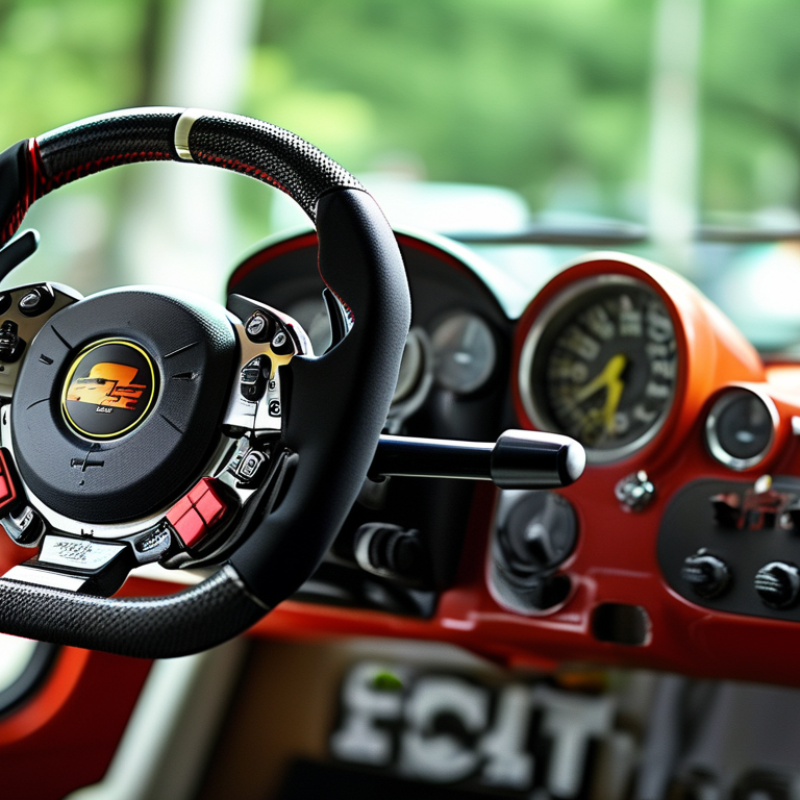
Understanding Different Types of Steering Gears Available in the Market
When it comes to steering gears, understanding the types available is crucial. The most common types are rack and pinion, worm gear, and recirculating ball steering. Each type has its unique characteristics and application scenarios. According to a recent industry report, the global steering gear market is projected to reach $35 billion by 2026, highlighting its significance in automotive engineering.
Rack and pinion systems offer immediate feedback and precision. They are generally lightweight and are preferred in compact cars. On the other hand, worm gears tend to provide a higher torque, making them suitable for larger vehicles and trucks. Yet, the drawback of worm gears is that they introduce more friction, which can lead to wear and tear over time. In contrast, recirculating ball steering provides a smoother steering experience and is often used in SUVs and heavy-duty vehicles. However, its complexity can require more maintenance.
Choosing the right steering gear often comes down to individual needs and vehicle types. Some might prefer a precise and responsive rack and pinion system, while others may lean towards the robustness of a worm gear. It's important to consider factors like vehicle weight, intended use, and maintenance requirements. A recent survey revealed that over 40% of vehicle owners regret not conducting thorough research before their purchase. Making an informed choice is key.
Key Factors to Consider When Choosing a Steering Gear
Choosing the right steering gear requires careful consideration of several key factors. One major factor is the application of the steering gear. Different vehicles and uses demand various types, such as rack and pinion or recirculating ball gears. According to a report by the Automotive Research Institute, rack and pinion gears account for nearly 60% of use in modern vehicles, thanks to their responsiveness.
Another important aspect is the vehicle's weight and size. Heavier vehicles often need sturdier steering systems. The National Highway Traffic Safety Administration (NHTSA) indicates that the right gearing can enhance safety in larger vehicles. However, some manufacturers overlook the compatibility between the steering gear and vehicle design, leading to potential performance issues.
Material quality also plays a critical role. Components made from durable materials can resist wear over time, but not all parts are created equal. The International Vehicle and Engineering Society found that 25% of steering problems arise from subpar materials. This emphasizes the need to research thoroughly while evaluating your options. Balancing these considerations can lead to better performance and safety on the road.
2026 How to Choose the Right Steering Gear for Your Needs? - Key Factors to Consider When Choosing a Steering Gear
| Key Factors |
Description |
Importance Rating (1-5) |
| Compatibility |
Ensure the steering gear is compatible with your vehicle type and model. |
5 |
| Sensitivity |
Choose a steering gear with the right sensitivity for your driving style and preferences. |
4 |
| Durability |
Flexibility and strength of the gear for long-lasting performance. |
5 |
| Weight |
Consider the weight of the gear for steering response and fuel efficiency. |
3 |
| Cost |
Evaluate the cost against the features and benefits for value. |
4 |
| Installation Ease |
Look for a steering gear that’s simple to install or set up. |
3 |
Evaluating Your Vehicle's Specific Requirements for Steering Gear
Choosing the right steering gear involves understanding your vehicle's unique needs. Different vehicles have distinct design requirements. Factors such as weight, size, and intended use significantly affect steering gear selection. For instance, a compact car may require a light steering system, whereas a heavy-duty truck needs a robust gear for optimal performance.
Assessing your driving habits is integral. Do you frequently navigate tight corners or tackle rough terrains? These situations demand specific steering gear characteristics. A responsive system is crucial for agility in urban settings. Conversely, if your driving involves long highway travels, a smoother mechanism could enhance comfort.
Reflect on your vehicle's age and condition as well. Older models may not be compatible with newer steering technologies. You might need to consider compatibility to avoid future issues. This process can be daunting, and seeking professional advice is wise. Understanding what you need helps build a reliable strategy for your steering gear choice.
2026 Steering Gear Selection Analysis
This chart analyzes the key factors affecting the choice of steering gear based on vehicle requirements. The data reflects the average preferences and needs of various vehicle types.
Comparing Quality and Price: Finding the Best Value Steering Gear
When choosing a steering gear, quality and price are key factors. High-quality steering gears ensure smooth handling and safety.
An affordable option might save you money upfront, but consider long-term reliability. Cheap models can wear out quickly. This can lead to additional costs.
Tips: Check reviews and ratings. Look for feedback on performance and durability.
A bad choice could impact your vehicle's handling. Don’t rush into a decision; take time for research.
Take note of the material used in the steering gear. Metal gears often offer superior performance compared to plastic.
However, they might come at a higher price. Weigh the pros and cons carefully. Consider warranties.
A reliable product often comes with a better guarantee. This ensures protection against defects and prolongs use.
Installation and Maintenance Tips for Your Chosen Steering Gear
When installing your chosen steering gear, it's crucial to follow proper procedures to ensure optimal performance.
According to industry reports, improper installation can lead to a failure rate of up to 30%.
Start by carefully reading the manufacturer’s guidelines. Each unit may have specific requirements that affect its overall performance.
When it comes to maintenance, regular checks are essential. This includes inspecting fluid levels and looking for leaks.
Studies suggest that routine maintenance can extend the lifespan of the steering gear by as much as 50%.
Pay attention to unusual sounds or steering response delays. These can signal underlying issues, necessitating immediate action.
Moreover, consider environmental factors. Extreme temperatures can affect steering gear performance.
In regions with harsh weather, it's advisable to use protective coverings. Neglecting this can lead to premature wear.
Investing time in installation and maintenance is vital.
Your steering gear is essential for vehicle safety and performance.
Engaging in preventative measures can save both time and money in the long run.