What is Power Steering Gear and How Does It Work?
Power Steering Gear plays a crucial role in modern vehicles. It assists drivers in steering with ease. Understanding this component is essential for vehicle maintenance.
The Power Steering Gear works by amplifying the steering effort. As a result, it reduces the physical strain on the driver. This technology enhances control, especially at low speeds. However, problems can arise, affecting performance.
Regular inspections are vital for longevity. Drivers might overlook subtle signs of wear. A malfunctioning Power Steering Gear can lead to a challenging driving experience. Recognizing issues early can save time and resources. Overall, understanding this system is imperative for safe driving.
What is Power Steering Gear: Definition and Basics
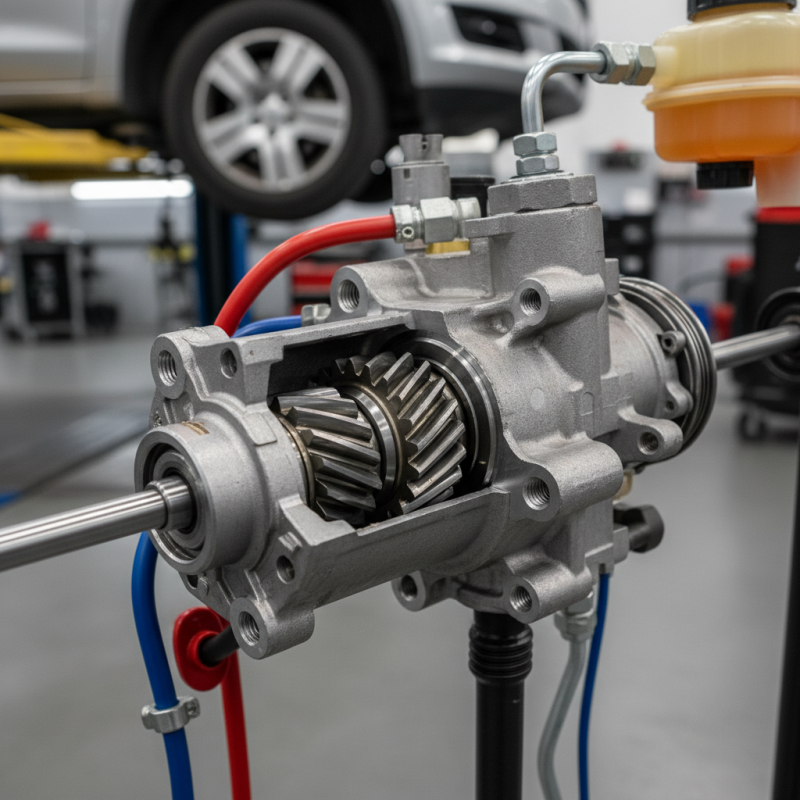
Power steering gear is an essential part of modern vehicles. It enhances the driver's ability to steer the vehicle, reducing the effort needed to turn the steering wheel. This mechanism relies on hydraulic or electric assist to amplify the driver's input, making it easier to navigate tight spaces or make sharp turns. According to recent industry reports, approximately 85% of new vehicles are equipped with power steering systems, reflecting their widespread adoption.
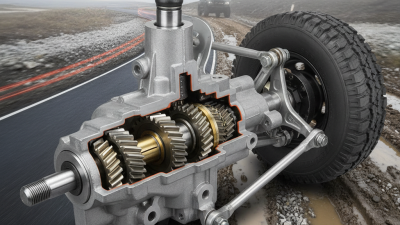
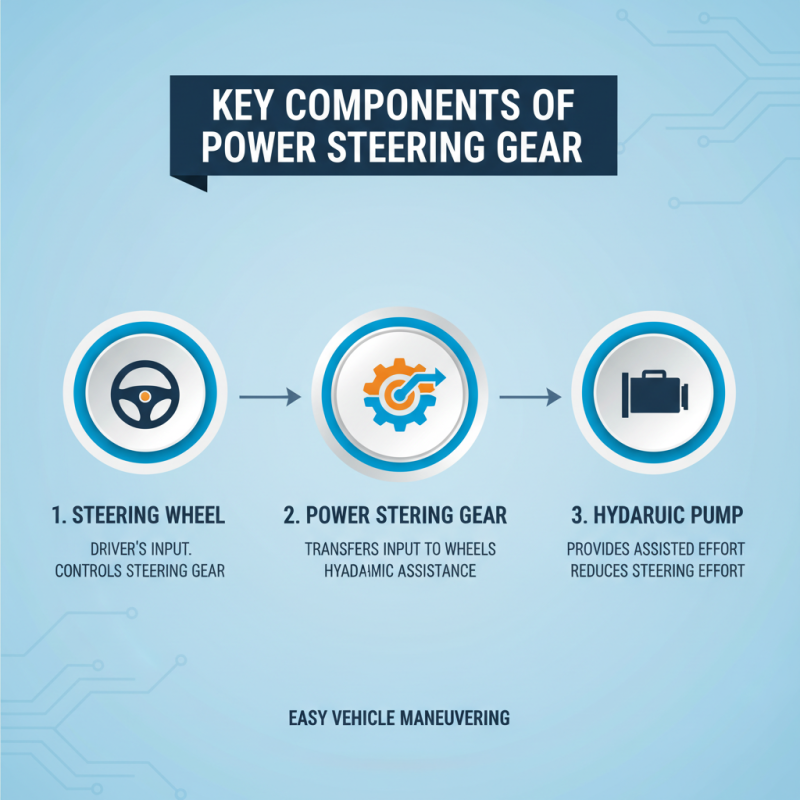
The fundamental operation of power steering involves the use of a gear mechanism connected to the steering wheel. When the wheel turns, a sensor detects this motion and activates either a hydraulic pump or an electric motor. A study by the Society of Automotive Engineers indicates that power steering can reduce the physical effort required by 30% to 50%, significantly enhancing driver comfort and control. However, as vehicles feature more advanced steering systems, the complexity increases. This leaves room for potential issues, such as sensor malfunctions or fluid leaks, which may hinder performance and require professional attention.
Despite advancements, not all power steering systems are perfect. Some drivers report a lack of feedback in electric systems, leading to a disconnected driving experience. Moreover, maintenance can be overlooked, resulting in degraded performance over time. The industry emphasizes regular checks of fluid levels and components to ensure optimal operation. Maintaining a balance between ease of use and mechanical reliability remains a challenge for manufacturers and consumers alike.
The Mechanism of Power Steering: Hydraulic vs. Electric Systems
Power steering systems make driving easier by amplifying the force applied to the steering wheel. They can be categorized mainly into
hydraulic and
electric systems, each offering distinct advantages. Hydraulic systems rely on pressurized fluid to assist in steering, providing a smooth and responsive experience. With various moving parts, these systems can develop leaks or require more maintenance.
On the other hand, electric power steering (EPS) uses an electric motor to aid steering. This technology is more energy-efficient and often lighter in weight than hydraulic systems. EPS allows for advanced features such as variable steering ratios, adapting to driving conditions. However, if the electric motor fails, steering can become heavy and difficult.
Choosing between these systems depends on various factors, including vehicle type and driver preferences. Each option has merits and drawbacks, leading to discussions about safety and control. Balancing ease of handling with reliability can be challenging. Ensuring regular maintenance can help mitigate issues with either system, enhancing the overall driving experience.
Benefits of Power Steering: Enhancing Driving Experience and Safety
Power steering enhances the driving experience significantly.
It helps reduce the effort needed to turn the steering wheel. This is especially beneficial in tight spaces. Drivers can maneuver their vehicles with ease, reducing physical strain during long drives.
The integration of power steering promotes better vehicle control and encourages confident driving.
Moreover, the safety benefits are notable. With power steering, drivers can react quickly to unexpected situations. For example, making sharp turns becomes more manageable.
This responsiveness is crucial in avoiding accidents. Vehicles equipped with power steering also provide better feedback. This ensures that drivers remain aware of their vehicle’s handling.
While power steering offers numerous advantages, it is essential to acknowledge some drawbacks. The system can sometimes fail, leading to reduced steering control.
Regular maintenance is crucial to ensure it functions properly.
Additionally, over-reliance on power steering may make some drivers less adept at handling vehicles manually. Being aware of these limitations is important.
Understanding both the benefits and drawbacks can lead to safer driving habits.
Maintenance and Troubleshooting Common Issues in Power Steering Gear
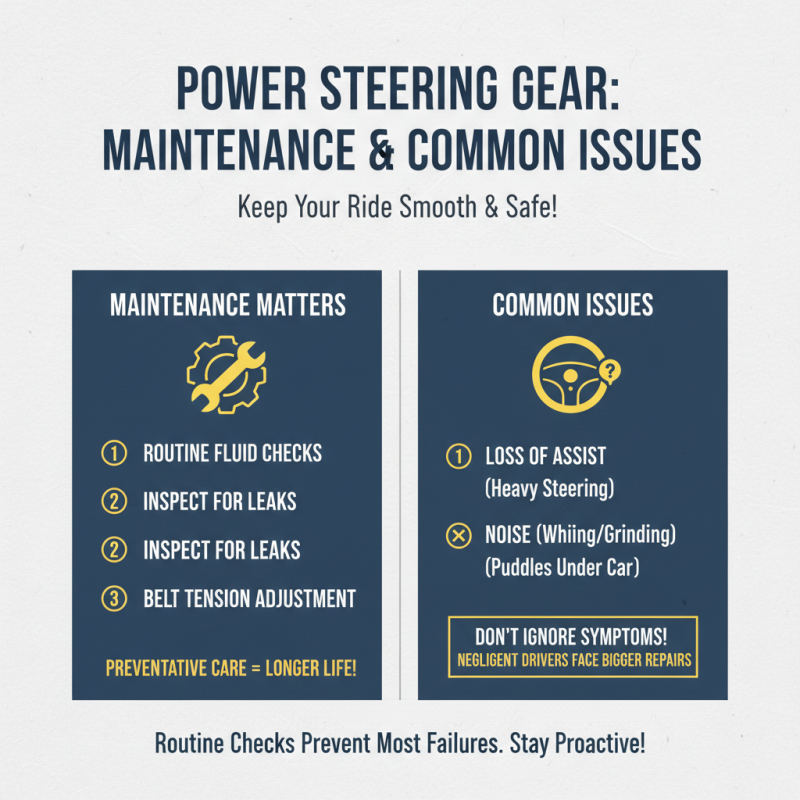
Power steering gear is essential for vehicle maneuverability. However, like any mechanical component, it can experience issues. Many drivers overlook maintenance, leading to bigger problems. Routine checks can prevent most common failures.
A common sign of trouble is difficulty in turning the steering wheel. This can indicate low fluid levels or leaks. Listening for unusual noises while steering is crucial. A whining or groaning sound often means air has entered the system or that the power steering pump is failing. Observing these symptoms early can save time and money.
Regular inspections are vital. Look for leaks around hoses and fittings. Fluid should be clear and at the appropriate level. If it appears dark or sludgy, a change may be necessary. Sometimes, an inexperienced mechanic might overlook these details. Trust your instincts and seek a second opinion if you feel something is off. Even minor issues can escalate, so proactive care is essential.