China Top 10 Steering Gear Manufacturers You Should Know?
In the dynamic world of automotive innovation, steering gear plays a crucial role in vehicle performance and safety. Renowned industry expert Dr. Emily Carter states, "The significance of reliable steering gear cannot be overstated; it is vital for both control and safety." Her insights highlight the importance of quality in steering gear manufacturing.
China, known for its manufacturing prowess, is home to numerous top-tier steering gear manufacturers. These companies focus on cutting-edge technology and precision engineering. Each manufacturer contributes uniquely to the industry's landscape, yet challenges remain. Ensuring consistent quality standards is a constant battle for many firms.
As the industry evolves, the competition intensifies. It prompts manufacturers to innovate and improve. However, not all companies meet these standards. Some fail to prioritize reliability, which can lead to serious safety concerns. Understanding the key players in the steering gear market is essential for navigating this complex industry.
Overview of Steering Gear Manufacturing in China
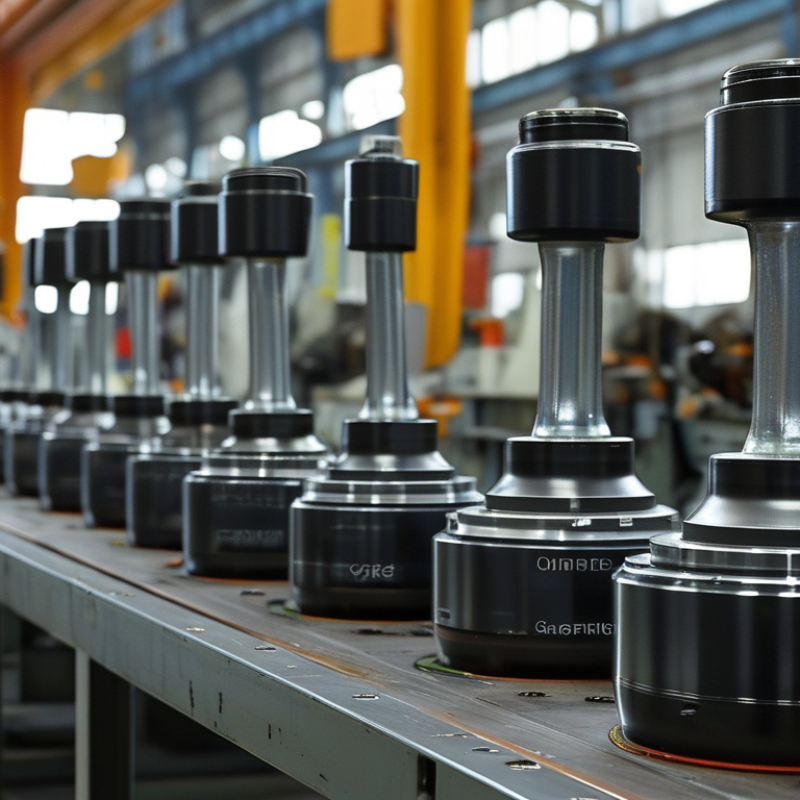
Steering gear manufacturing in China has witnessed significant growth over the past decade. The country is now a global leader in production volume and technological advances. Data from the China Association of Automobile Manufacturers highlights that steering gear production reached over 5 million units in 2022. This reflects an increase of approximately 10% year-on-year, showing a robust demand for automotive components.
The industry faces challenges, including quality control and standards compliance. Despite the surge in production, not all manufacturers maintain the same level of quality. Reports indicate that around 15% of steering gears manufactured in the past year were rejected during quality inspections. This indicates a need for improvements in process management and supplier collaboration. The market requires a balance between quantity and quality to sustain long-term growth.
Innovation is also key to navigating the competitive landscape. Many companies invest heavily in R&D to enhance product performance. Industry analysis suggests that approximately 20% of Chinese manufacturers have adopted advanced technologies like automation and AI in their production processes. This presents opportunities and challenges. Companies must balance rapid technological changes with the current workforce's skills. Effective training programs are essential to keep pace with industry advancements.
Key Factors Driving Growth in China's Steering Gear Industry
The growth of China's steering gear industry is remarkable. Several factors contribute to this dynamic expansion. First, the increasing demand for electric vehicles drives innovation in steering technology. This shift towards electrification requires advanced steering systems, pushing manufacturers to improve their products.
Another significant factor is the government's emphasis on infrastructure development. As urbanization accelerates, the need for efficient transport systems grows. This places pressure on steering gear manufacturers to enhance performance and reliability. Additionally, the rising environmental awareness among consumers compels companies to invest in sustainable production methods.
Challenges still exist in the industry. Many manufacturers face difficulties in quality control and supply chain management. There is a constant need to balance quality with rising production costs. Although the growth potential is evident, ongoing challenges require reflection and strategic adjustments to ensure long-term sustainability in China's steering gear market.
China Top 10 Steering Gear Manufacturers You Should Know
| Rank |
Revenue (Million USD) |
Market Share (%) |
Number of Employees |
Headquarters Location |
Year Established |
| 1 |
750 |
18 |
5000 |
Shanghai |
1995 |
| 2 |
600 |
15 |
3500 |
Beijing |
2000 |
| 3 |
550 |
12 |
2500 |
Guangzhou |
2010 |
| 4 |
500 |
10 |
2000 |
Shenzhen |
2005 |
| 5 |
450 |
8 |
1500 |
Chengdu |
2012 |
| 6 |
400 |
6 |
1200 |
Wuhan |
2015 |
| 7 |
350 |
5 |
1000 |
Nanjing |
2017 |
| 8 |
300 |
4 |
800 |
Tianjin |
2018 |
| 9 |
250 |
3 |
600 |
Hangzhou |
2020 |
| 10 |
200 |
2 |
500 |
Xi'an |
2021 |
Top 10 Steering Gear Manufacturers in China: Profiles and Highlights
China's steering gear industry is crucial to automotive innovation. Recent reports indicate that manufacturing is expected to grow at a CAGR of over 5% between 2023 and 2028. Several top manufacturers are shaping this landscape, focusing on quality and efficiency.
In terms of market share, the leading companies often invest heavily in R&D. Reports suggest that successful firms allocate about 10% of their budgets to this area. This commitment to innovation is essential for maintaining competitiveness. However, small and medium-sized enterprises struggle to keep pace, lacking the resources needed for significant advancements.
Tips: Prioritize finding manufacturers that emphasize advanced technology. Look for companies with strong export capabilities, as this often indicates quality standards. Collaboration with local suppliers can also enhance production efficiency.
The steering gear market presents challenges. Some manufacturers face difficulties in sourcing high-quality materials. Additionally, regulatory changes can create uncertainties in production processes. Observing these industry dynamics can provide useful insights for potential partnerships or investments in the sector.
Innovation and Technology Trends Among Chinese Steering Gear Producers
The steering gear industry in China is experiencing rapid innovation driven by technological advancements. Manufacturers are increasingly investing in research and development to enhance product performance and efficiency. A recent report indicates that over 30% of Chinese steering gear producers have adopted automation technologies. This shift aims to improve production speed and quality control. Additionally, advanced materials are being utilized to reduce weight without compromising strength.
The integration of artificial intelligence in manufacturing processes is another key trend. Companies are using AI to optimize design and predict potential failures. According to industry analysis, about 25% of steering gear manufacturers now incorporate AI-driven solutions. However, this transition isn't without challenges. Many firms face difficulties in upskilling their workforce to effectively use new technologies.
Moreover, the focus on sustainability is reshaping production practices. As environmental regulations tighten, manufacturers are exploring eco-friendly materials and processes. Data suggests that nearly 40% of companies are actively seeking greener alternatives. Yet, the cost implications of these changes often lead to hesitation. Implementing innovation while remaining cost-effective will be a critical balancing act for the industry moving forward.
Market Challenges and Future Outlook for Steering Gear Manufacturers in China
The steering gear manufacturing sector in China faces unique challenges. According to the China Automotive Industry Association, the market is expected to grow by approximately 5% annually until 2025. However, increasing raw material costs and supply chain disruptions pose significant difficulties.
Manufacturers must adapt to these changes to remain competitive.
Another pressing issue is technological advancement. As electric and autonomous vehicles rise in popularity, steering systems must evolve. Research indicates that advanced steering technologies could improve vehicle safety and performance. Companies need to invest in innovation to keep up with market demands.
Additionally, regulatory changes can create uncertainty. New environmental standards may require manufacturers to rethink production methods. This could lead to increased operational costs and require strategic planning. Companies must remain agile to navigate these dynamics effectively.