Choosing a supplier for Mitsubishi Steering Boxes takes more than comparing prices. Fitment, steering ratio, mounting points, and hydraulic connections must match the vehicle and application. A box that looks correct may still cause installation delays if its shaft dimensions or port locations differ.
This guide introduces ten China-based suppliers for buyers researching replacement or remanufactured steering components. It highlights practical questions to ask: Can the supplier confirm compatibility using the vehicle model and part number? Are material specifications, inspection records, and warranty terms available? Ask for clear product photos, too. Details matter.
Supplier claims should be checked, not simply repeated. Product ranges, production capacity, and export experience can change, while “top ten” does not guarantee the best fit for every order. Request current quotations and technical documents, then compare them against your requirements. A small mismatch can become a costly problem. That deserves attention.
The aim is a useful starting point, not a substitute for engineering review. Buyers should verify specifications with the vehicle manufacturer or a qualified technician before ordering. Some listings may leave important details unclear; that is a limitation worth recognizing. A careful comparison can help narrow the field and support a more reliable purchasing decision.
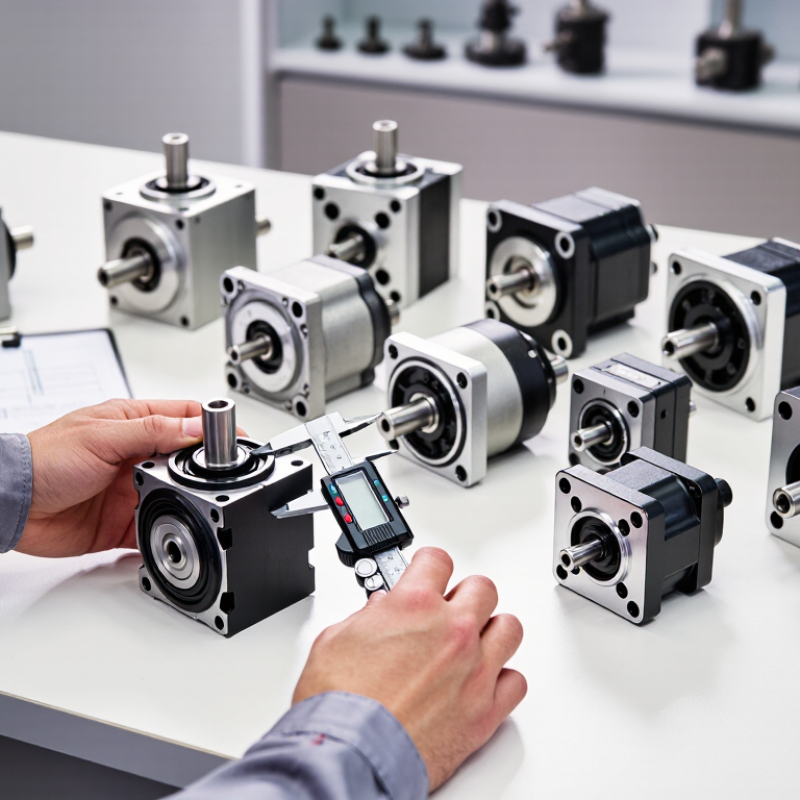
A steering box converts rotation at the steering wheel into controlled movement at the wheels. In a recirculating-ball design, a worm shaft moves a ball nut; steel balls roll through the grooves and return through a guide circuit. This reduces sliding friction under heavy loads. The ball nut then turns a sector shaft, which moves the pitman arm and steering linkage. Small parts matter. Worn bearings, damaged seals, or contaminated lubricant can create excess play, leaks, or uneven steering effort. A useful inspection checks for free movement, secure mounting, and fresh fluid around the housing.
Grand View Research’s 2024 automotive steering system market report estimated the global market at USD 29.39 billion in 2023 and forecast an 8.1% compound annual growth rate through 2030. That figure covers steering systems broadly, not steering boxes alone, but it reflects continuing investment in steering performance and reliability. For technicians, box condition still depends on practical details: correct adjustment, clean lubrication, and sound linkage joints. A tight adjustment may hide wear briefly, yet it can also make steering bind. That trade-off deserves a careful road test, not guesswork.
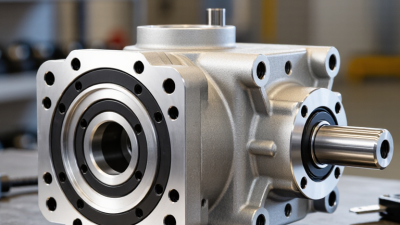
A steering box can look correct in a supplier photo and still fail to fit. Check the OE reference against the vehicle’s full VIN, production month, and model year. A mid-year production change may alter the housing or input shaft. Do not rely on a broad model name alone.
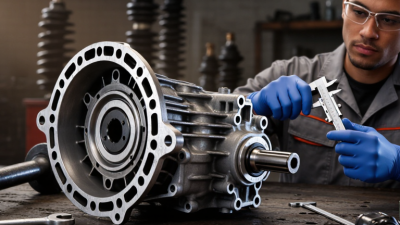
Confirm the steering configuration before ordering. Is the vehicle left-hand or right-hand drive? Does it use hydraulic assistance, and where are the pressure and return ports positioned? Compare mounting-hole spacing, pitman-shaft details, and input-spline count with the original unit. Small differences matter. A ruler and clear photos can help, but they cannot replace a verified application record.
Ask the supplier to confirm the OE number and any superseded references in writing. Check whether seals, fittings, or brackets differ from the original assembly. Some listings leave these details vague, which makes selection harder than it should be. If the removed box has a readable tag, record it before disposal. Then compare the tag, vehicle data, and physical measurements; one source alone may not settle the fitment question.
How to use this chart: It counts the fitment fields to verify in each category; it is a checklist, not supplier, sales, or vehicle-production data. Confirm the exact OE part number and application details against reliable vehicle or parts records before ordering.
For buyers comparing China’s Mitsubishi steering box suppliers, certification is a starting point, not proof that every unit is reliable. Check that an IATF 16949:2016 certificate covers the actual manufacturing site and steering-system scope. ISO 9001:2015 supports consistent process control, while lot-level traceability links each box to inspection results, materials, and production records. ISO’s 2023 Survey of Management System Standard Certifications counted over 1.2 million ISO 9001 certificates worldwide. That scale shows how common certification is; it does not rank suppliers or guarantee component performance.
Tips: Ask for a sample traceability record. Follow one steering box from its marked batch code to material certificates, machining checks, and final leak-test results. Confirm how long records are retained and how quickly they can be retrieved.
A useful audit also checks whether nonconforming parts are quarantined and corrective actions are documented. For example, a supplier should be able to identify the affected production lot after a failed pressure test, not just show a polished certificate. Review calibration records for torque tools and test equipment, and compare inspection plans with the drawings and agreed specifications. Certificates can expire or exclude relevant processes. Verify them directly, then assess the evidence on the production floor. Traceability takes time to maintain, and gaps still happen; that is exactly why a live record sample matters.
For steering-box sourcing, compare verified output, not a factory’s headline capacity. Ask for monthly production of the relevant model, current utilization, and inspection records. A high stated capacity means little if machining or testing is the bottleneck. Request a sample inspection report and confirm whether quoted output includes final testing.
MOQ and lead time need context. Ask whether the minimum order applies to standard configurations or customized parts, and whether initial tooling is included. Request separate timelines for samples, production, and shipment. The World Bank’s 2023 Logistics Performance Index assesses six areas, including shipment timeliness and tracking. These measures help frame export questions, but they do not certify an individual supplier. UNCTAD’s Review of Maritime Transport 2024 notes that over 80% of world trade in goods by volume moves by sea, making shipping schedules and export documentation worth checking. A spreadsheet can still flatter a supplier; I would verify the figures against recent orders.
Tips: Ask for dated production records, sample lead-time calculations, and anonymized export documents. Compare like with like. Confirm the port, shipping term, and whether lead times begin after deposit, drawing approval, or sample sign-off. Small details can shift a delivery date.
For a China-focused Mitsubishi steering-box supplier shortlist, compare measured performance, not catalogue claims. Record input torque across the full travel, in both directions, at a controlled temperature and speed. A sudden torque spike can reveal tight spots or poor gear contact. Measure backlash at the output shaft under a stated load; an illustrative screening limit might be 0.5°, but this is not a universal industry specification. Set acceptance limits against the vehicle design and report the test method.
Leakage checks need defined pressure, fluid temperature, and hold time. A dry housing after a short test is not proof of long-term sealing. Track seepage by mass or volume, then repeat after thermal cycling. ISO 16750-3:2023 describes mechanical-load test categories, while ISO 16750-4 covers climatic loads; neither supplies one pass/fail limit for every steering box. That distinction matters. Supplier reports should state their actual conditions.
For durability, cycle the unit through repeated left-right strokes under representative load, then remeasure torque, backlash, and leakage. Record the number of cycles and every inspection interval; avoid reporting only the final result. An internal benchmark could require less than 10% torque drift after a defined test, but that target needs vehicle-level validation. Data without fixture details is hard to trust—and sometimes even a tidy chart hides a poor test setup.