Leave Your Message

7 Tips for Buying a Ford Steering Gear Box?

Buying a Ford Steering Gear Box is not simply a matter of choosing the lowest price. The correct unit must match the vehicle’s year, model, engine, steering ratio, mounting points, and hydraulic connections. One wrong specification can leave the steering wheel feeling heavy, loose, or strangely slow. Sometimes, the listing looks perfect. The details disagree.

S&P Global Mobility reported that the average U.S. vehicle age reached about 12.6 years in 2024. Older Ford vehicles increasingly need steering-system repairs, including worn seals, damaged input shafts, and leaking hydraulic ports. NHTSA treats potential loss of steering control as a serious safety concern. Its recall guidance supports careful inspection before replacement. Grand View Research also identifies continued demand for replacement steering components as vehicle ownership periods lengthen.

Richard Reina, an automotive technical trainer and product specialist, has emphasized, “The steering system is a safety-critical system, so correct diagnosis is essential.” That principle matters here. A worn tie-rod end can imitate a faulty gear box. Poor alignment can create similar symptoms. I have seen buyers focus on casting numbers while ignoring the warranty, return policy, and remanufacturing standards. That is an expensive mistake.

This guide presents seven practical tips for selecting a Ford Steering Gear Box. It examines compatibility, gear ratio, remanufactured quality, core charges, seals, installation requirements, and seller reliability. Some advice may seem obvious. It is still easy to miss when a vehicle sits on a lift, fluid drips onto the floor, and the repair bill is growing.
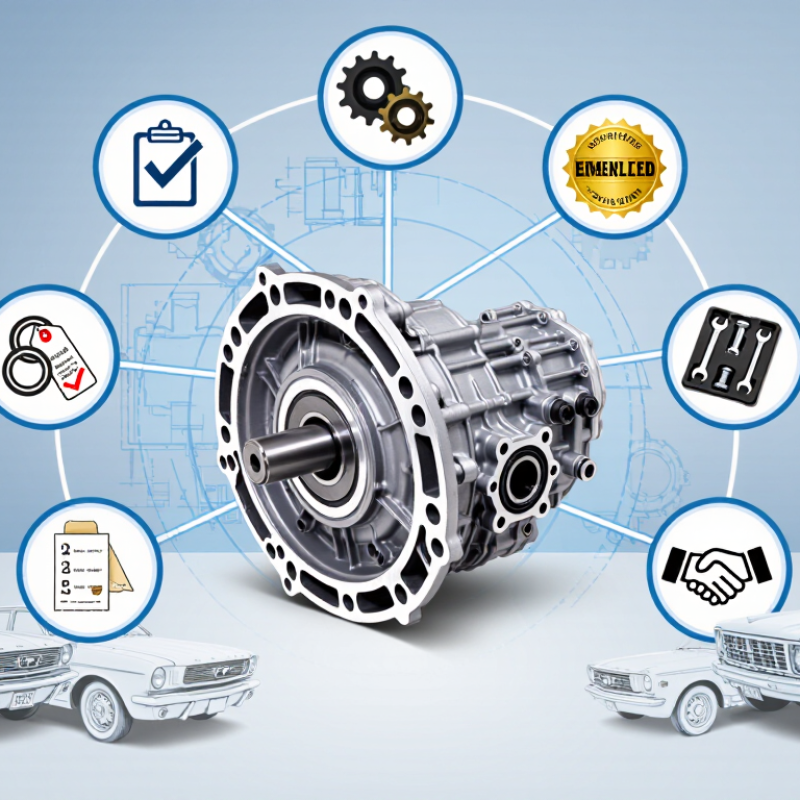
7 Tips for Buying a Ford Steering Gear Box?

Understand the Function and Types of Ford Steering Gear Boxes

A steering gear box changes the steering wheel’s rotation into controlled movement at the front wheels. It also multiplies driver effort, especially during parking or slow turns. A worn unit may cause loose steering, uneven tire wear, or delayed response. That delay feels dangerous.

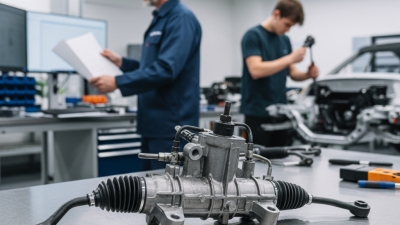
Before buying, identify the vehicle’s model year, engine, chassis, and steering system. Rack-and-pinion units are compact and usually use a sliding rack. Recirculating-ball boxes use internal balls and sector gears. They are common on heavier vehicles. Do not assume both types interchange.

Check the steering ratio, mounting holes, input-shaft spline, output-shaft size, and hydraulic-port position. Compare these details with the old unit. Measure carefully. A similar-looking box may still fail installation. Inspect the housing for cracks, damaged threads, leaking seals, and excessive shaft play. Ask whether the unit is new, remanufactured, or used. A remanufactured box should include documented testing and a clear warranty. Confirm fluid compatibility, too. Contaminated fluid can damage fresh seals quickly. I once overlooked a small spline difference, creating unnecessary installation work. That mistake changed how I verify parts. After installation, bleed the system, inspect for leaks, and check steering-wheel alignment. A professional inspection is wise when the vehicle pulls, binds, or returns slowly after a turn.
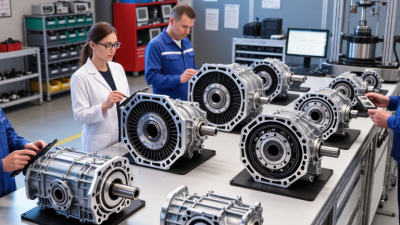
7 Tips for Buying a Ford Steering Gear Box

Understand the Function and Types of Steering Gear Boxes

How to read this chart: Steering ratio indicates how many degrees the steering wheel must turn to move the road wheels by one degree. Lower ratios generally provide quicker response, while higher ratios can offer easier control and greater stability. The ranges shown are representative industry values and may vary by vehicle design, suspension geometry, tire size, and model year.

Buying tips: Confirm the exact vehicle application, identify the steering gear type, compare the steering ratio, check mounting points and shaft connections, inspect for leaks or excessive play, verify power-assist compatibility, and choose a unit that meets the required safety and quality specifications.

Match the Gear Box to Your Ford’s Model, Year, and Drivetrain

A steering gear box must match your vehicle’s exact model, production year, and drivetrain. Small differences matter. A two-wheel-drive version may use different mounting points than a four-wheel-drive model. Check the identification tag, service manual, and original part number before ordering.

Confirm the steering system type, shaft connection, pitman arm position, and mounting-hole pattern. Do not rely on appearance alone. Two gear boxes can look nearly identical but have different internal ratios.

Compare the required steering turns and input-shaft size. Then verify compatibility with your engine and suspension package. Factory changes can occur within the same model year.

Measure carefully. Count the steering-wheel turns from lock to lock. Inspect the old unit for leaks, worn splines, or damaged threads.

Ask a qualified parts specialist to confirm the fit using your vehicle identification number. This step can prevent an expensive return. It also adds useful protection when catalog information is incomplete.

Think about condition, not only price. A remanufactured unit should have tested seals, adjusted preload, and documented inspection. New mounting hardware may be necessary. I once underestimated a minor shaft mismatch; the installation stopped immediately. That mistake was avoidable. After installation, use the specified fluid, bleed the system, and check for free play before driving. Have the alignment inspected if steering components were disturbed.

Choose Between New, Remanufactured, and Used Steering Gear Boxes

Choosing between a new, remanufactured, and used steering gearbox depends on your vehicle’s condition, budget, and repair goals. A new unit usually offers the most predictable performance, but it can cost considerably more. Confirm the exact fitment using the vehicle identification number, steering type, mounting pattern, and input shaft design. A visually similar gearbox may still fail to install correctly.

A remanufactured gearbox can provide a practical middle ground. Reputable rebuilders should replace worn seals, inspect gears, measure shaft play, and test hydraulic pressure. Ask about the warranty, return policy, and included components. Check whether the unit requires your old gearbox as a core. Small details matter.

A used gearbox may be the least expensive choice, especially for an older vehicle. However, its internal wear is difficult to judge from the outside. Look for fluid leaks, damaged threads, rust around mounting points, and excessive input shaft movement. Ask about mileage and storage conditions if records exist. Do not assume low mileage guarantees quality. Sometimes it does not.

Before installation, flush contaminated fluid and inspect the hoses, pump, pitman arm, and linkage. A replacement gearbox cannot correct worn steering components nearby. After fitting the unit, bleed the system carefully and check for leaks with the wheels safely supported. Have the steering wheel centered and complete a professional alignment. Measure twice. Mistakes here can make a good gearbox feel defective.

Check Compatibility, Quality, Warranty, and Installation Requirements

A steering gearbox must match the vehicle’s model year, engine layout, drive system, and steering configuration. Check the original part number, mounting holes, shaft size, and pitman-arm position. A small mismatch can create uneven steering or unsafe play.

S&P Global Mobility reported that the average U.S. light-duty vehicle age reached about 12.6 years in 2024. Older vehicles often need careful compatibility checks because suppliers may revise specifications across production periods.

Quality matters beyond a clean exterior. Look for a documented remanufacturing process, pressure testing, new seals, and corrosion-free internal parts. The Automotive Aftermarket Suppliers Association has repeatedly highlighted quality control and traceability as major aftermarket priorities.

Ask whether the unit is new, remanufactured, or rebuilt. These terms are not interchangeable. I once assumed a rebuilt assembly was fully tested; that assumption was wrong. Request test results and inspect the input shaft before installation.

Warranty length is useful, but coverage details matter more. Confirm protection for leaks, excessive free play, labor, return shipping, and core charges. Read exclusions carefully.

Installation may require flushing contaminated fluid, replacing worn hoses, centering the gearbox, and completing a professional alignment. The National Highway Traffic Safety Administration treats steering performance as a critical vehicle-safety concern, so a qualified technician should verify torque settings and road-test the vehicle.

Do not ignore a stiff spot or delayed steering response. Small symptoms can become expensive failures.

Compare Prices and Verify the Seller Before Making a Purchase

Buying a steering gearbox requires more than matching a part number. Small differences can affect fit, handling, and installation time. Use these seven practical checks before paying.

Confirm the vehicle year, steering configuration, mounting points, and shaft connection. Read the original part number twice. Compare the gearbox dimensions with clear product photos. Ask whether the unit is new, rebuilt, or used. Request details about seals, bushings, and internal wear. Compare prices across several reputable sellers, including shipping and core charges. The cheapest listing may hide missing hardware or limited support.

I once trusted a low price and overlooked the return policy. That mistake cost more than the part. Check the seller’s business address, telephone number, and written warranty. Look for recent reviews with specific comments about packaging and fitment. Avoid listings using copied photos or vague descriptions. Ask for a real photo of the unit and its identification markings. A responsive seller should answer technical questions clearly.

Verify the return period before ordering. Confirm who pays return shipping if the gearbox does not fit. Use a payment method offering documented purchase protection. Keep screenshots of the listing, messages, and promised specifications. Inspect the package before installation. If the box arrives damaged, photograph it immediately. Professional advice helps, but even experienced buyers can miss one detail. My own checklist is useful, not perfect.

7 Tips for Buying a Ford Steering Gear Box? - Compare Prices and Verify the Seller Before Making a Purchase

Tip What to Verify Useful Benchmark Recommended Action
1. Match the Exact Application Confirm vehicle year, model, engine, drive layout, steering type, and the original part number. A steering gear box is not automatically interchangeable between model years or chassis configurations. Use the vehicle identification number or compare the numbers stamped on the original unit before ordering.
2. Compare the Total Price Compare the part price, shipping, refundable core charge, taxes, seals, and installation costs. Typical replacement-unit prices commonly range from about US$200 to US$1,200, depending on condition and application; labor is extra. Calculate the delivered cost rather than comparing the advertised part price alone.
3. Identify the Unit’s Condition Determine whether the unit is new, remanufactured, rebuilt, used, or sold for parts. Used units are generally less expensive but may have unknown wear; remanufactured units should include documented inspection or testing. Request clear photos of the housing, input shaft, mounting points, ports, and identification markings.
4. Check Warranty Coverage Review the warranty duration, mileage limit, covered defects, labor policy, and return-shipping responsibility. A written warranty of 12 months or more is a useful comparison point, but coverage terms vary significantly. Save the warranty document and confirm whether installation by a qualified technician is required.
5. Verify Seller Information Check the seller’s physical address, customer-service contact, return policy, payment security, and independent reviews. A legitimate listing should provide complete specifications and consistent contact information rather than only a messaging account. Avoid sellers who pressure you to pay outside a protected checkout system or refuse to provide part details.
6. Confirm Core-Return Requirements Find out whether a refundable core deposit applies and whether the old unit must be complete and repairable. Core deposits often range from approximately US$50 to US$300, although the amount depends on the component and application. Ask about the return deadline, packaging requirements, excluded damage, and expected refund timing.
7. Inspect After Installation Check for fluid leaks, abnormal steering effort, excessive play, unusual noise, and correct steering-centre position. A wheel-alignment check is normally recommended after steering or suspension components are replaced. Have a qualified technician bleed the hydraulic system when applicable, inspect related components, and road-test the vehicle safely.

Price ranges are general market estimates and may vary by vehicle application, location, condition, warranty, shipping, and core-return requirements.