Leave Your Message

Top 10 Power Steering Gear Suppliers for Global Buyers?

Choosing a Power Steering Gear supplier is not simply a price comparison. Global buyers need dependable fitment, stable production, clear documentation, and responsive after-sales support. This guide introduces ten suppliers serving different vehicle segments and international markets. Each company should be considered through practical purchasing criteria, not promotional claims alone.

The evaluation focuses on product range, steering technology, manufacturing capacity, quality controls, customization, delivery performance, and communication. Rack-and-pinion and recirculating-ball systems may require different testing methods and installation checks. Buyers should review torque consistency, backlash control, seal durability, corrosion resistance, and compatibility with specific vehicle applications. Factory audits, sample inspections, and traceable quality records can reveal details that brochures often overlook. Short sentences matter. So does evidence.

Where available, this overview considers certifications, testing procedures, warranty terms, export experience, and customer feedback. These details help purchasing teams compare suppliers with greater confidence. Yet supplier data can change, and public information may remain incomplete. No ranking can replace technical validation. Buyers should request current specifications, production samples, inspection reports, and references before signing a supply agreement. Real-world performance depends on correct application and installation.

Ask for measurable evidence. Confirm lead times and packaging standards. Do not rely on price alone. A supplier may offer attractive quotations but lack stable replacement support. Another may provide stronger engineering assistance but require higher minimum orders. This article offers a practical starting point for responsible sourcing, while leaving room for further review, negotiation, and independent verification.
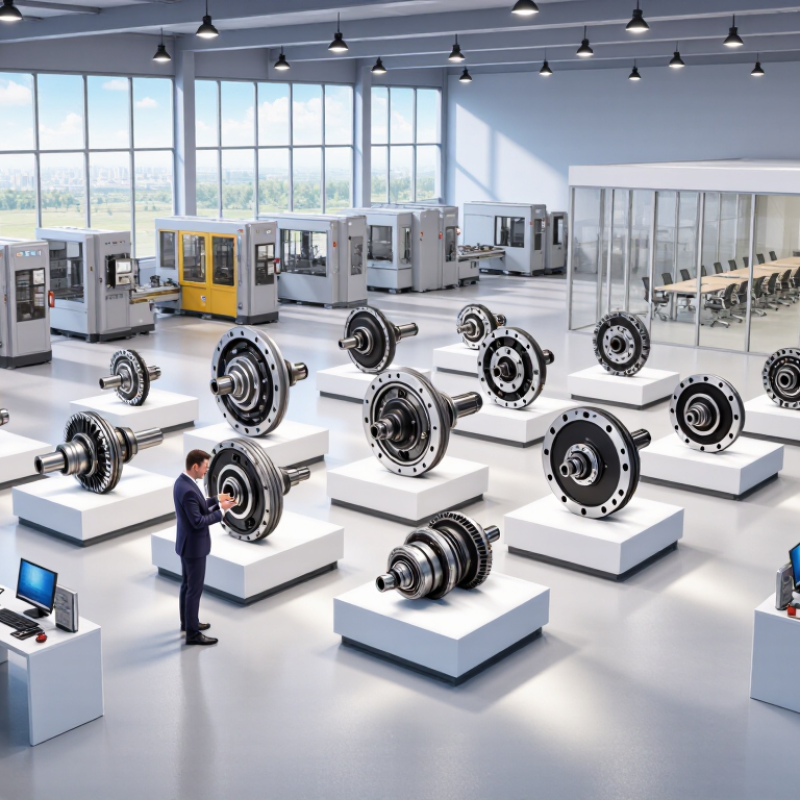
Top 10 Power Steering Gear Suppliers for Global Buyers?

What Power Steering Gears Are and Why Global Buyers Need Them

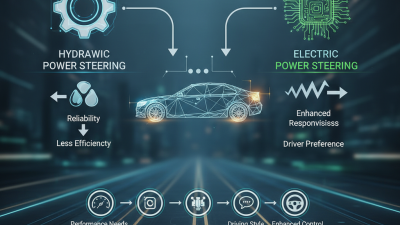
Power steering gears convert driver input into controlled wheel movement. In hydraulic systems, a pump sends pressurized fluid through a control valve. In electric systems, sensors and motors provide assistance only when needed. The gear may use a rack-and-pinion design or a recirculating-ball mechanism. Each choice affects steering feel, packaging, maintenance, and vehicle weight.

Demand is not limited to new vehicles. Global buyers also need replacement gears for aging commercial fleets, agricultural equipment, and passenger cars. Grand View Research reported that the global automotive steering system market was valued at approximately USD 34.6 billion in 2022. Its forecast also indicates continued growth through 2030. The U.S. Department of Energy notes that electric power steering can reduce energy losses compared with engine-driven hydraulic assistance. That matters when fuel costs and fleet emissions are closely measured.

Selection requires more than comparing quotations. Buyers should check spline dimensions, mounting points, steering ratio, torque capacity, operating temperature, and seal durability. A gear that fits visually may still create poor return-to-center behavior. It may also fail under heavy loads. I would request endurance-test records, traceable material data, and clear warranty terms before approving a supplier. ISO 26262 is relevant for safety-related electronic functions, while IATF 16949 supports automotive quality management. These standards help, but paperwork alone cannot replace physical validation. A small batch test on rough roads often reveals problems that a polished specification sheet hides.

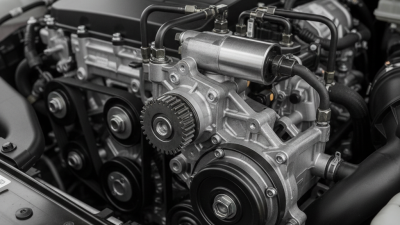
Key Criteria for Evaluating Power Steering Gear Suppliers

When comparing the top 10 power steering gear suppliers, buyers should test more than unit price. OICA reported 93.5 million vehicles produced globally in 2023. That scale increases pressure on delivery accuracy, traceability, and replacement support. Ask suppliers for audited capacity, batch records, warranty rates, and failure-analysis reports. A clean factory tour helps, but it never replaces production data.

Technical fit comes first. Verify gear ratio, mounting dimensions, input torque, sealing performance, and compatibility with electronic control systems. Suppliers should demonstrate testing under heat, vibration, corrosion, and repeated load cycles. Compliance with applicable UNECE steering requirements and documented quality systems also matters. ISO 26262 processes may be relevant for electronically assisted assemblies, depending on system design. Do not accept vague certificates.

Service reveals operational maturity. S&P Global Mobility reported that the average U.S. vehicle age reached about 12.6 years in 2024, supporting continued demand for durable replacement parts. Buyers should examine tooling ownership, spare-part availability, engineering response times, and regional inventory. Check the details. A supplier may offer impressive samples but lack stable second-source materials. I would also score communication quality, because unclear drawings often create expensive rework. One weakness remains: supplier rankings are rarely fully transparent, so buyers should build their own weighted evaluation model.

Top 10 Power Steering Gear Suppliers for International Buyers

For international buyers, selecting the top ten power steering gear suppliers requires more than comparing prices. A reliable supplier should demonstrate application experience, stable production, and clear engineering records. Ask for test reports covering backlash, leakage, torque, corrosion resistance, and endurance. Small details matter. Check whether drawings, tolerances, and revision histories match the quoted part.

A practical top-ten shortlist should include suppliers with strong machining, assembly, testing, and export capabilities. Confirm compatibility with vehicle platforms, steering positions, mounting dimensions, and hydraulic or electric systems. Suppliers should provide traceable batch numbers and inspection records. Certifications such as ISO 9001 or IATF 16949 can support credibility, but certificates alone prove little. Review audit dates, factory processes, and corrective-action records. Request samples before placing a large order.

International purchasing also depends on communication and delivery discipline. Evaluate packaging, moisture protection, spare-part support, warranty terms, and customs documentation. Clear lead times reduce production surprises. Yet forecasts can change. A supplier may perform well during sampling and struggle during peak demand. This risk deserves honest attention. Compare response speed, engineering support, and replacement procedures, not only unit cost. The best candidates usually explain limitations openly and welcome technical questions. That behavior is often more valuable than polished marketing language.

Supplier Comparison by Product Range, Quality, and Market Coverage

Top 10 Power Steering Gear Suppliers for Global Buyers
A credible top-ten shortlist should compare product range, quality, and market coverage, not only prices. OICA recorded 93.5 million vehicles produced worldwide in 2023, showing the scale of replacement demand. A strong supplier should cover hydraulic steering gears, rack-and-pinion units, recirculating-ball assemblies, and selected electric steering systems. It should also support passenger cars, light commercial vehicles, trucks, and older platforms. Some suppliers claim broad coverage, but their catalogs may contain gaps in regional applications.
Quality requires measurable evidence. IATF 16949 certification, ISO 9001 systems, dynamic testing, salt-spray testing, and documented end-of-line inspection are useful indicators. Buyers should request leakage limits, torque data, remanufacturing standards, and warranty-return statistics. The 2024 ACEA Vehicles on European Roads report shows that many European cars are over 12 years old, increasing demand for reliable aftermarket parts. Still, age alone does not prove replacement volume. Fleet composition matters.
Market coverage should include local inventory, export experience, technical support, and traceable packaging. Suppliers serving North America, Europe, Asia, and emerging markets may reduce delivery risk. A practical comparison should score stock availability, catalog accuracy, lead time, and compliance documentation. Reported production capacity can be impressive. Actual shipment performance is harder to verify. Buyers should audit samples before signing long-term contracts, because one failed steering gear can create costly returns and safety concerns.

How to Select the Right Power Steering Gear Supplier

How to Select the Right Power Steering Gear Supplier

Global buyers should assess suppliers beyond price and catalog range. According to Grand View Research, the electric power steering market was valued at approximately USD 28.5 billion in 2023. It is projected to grow at about 5.9% annually through 2030. This growth increases supplier competition, but not necessarily supplier quality. Check IATF 16949 certification, process control records, and production capacity. A polished catalog can still hide weak engineering support.

Request dimensional drawings, material specifications, and endurance-test results before approval. For hydraulic steering gears, examine pressure testing, leakage control, sealing materials, and corrosion resistance. For electric systems, review sensor calibration, software validation, and electromagnetic compatibility testing. Ask for PPAP documents and lot-level traceability. These details matter when a unit fails after installation, not during a sales call.

Cost comparisons should include tooling, freight, warranty handling, and replacement delays. The World Intellectual Property Organization reports that transport equipment remains a major area of global patent activity, showing how quickly steering technology is evolving. Choose a supplier that can support design changes and regional compliance. Request production samples, then test them under realistic road loads. Do not trust samples alone. Factory audits can miss problems, too. A second audit or independent laboratory check may be inconvenient, but it can expose inconsistent machining, weak seals, or incomplete records before mass purchasing begins.