Leave Your Message

10 Best Steering Gearbox Manufacturers for Global Buyers

A Steering Gearbox affects how a vehicle responds to the driver, especially during low-speed turns and repeated steering inputs. For global buyers, choosing a manufacturer involves more than comparing prices or product images. Vehicle type, steering layout, operating loads, materials, and production consistency all matter. Small differences can affect installation, steering feel, and service life. Fit matters.

This guide introduces ten Steering Gearbox manufacturers for buyers assessing potential suppliers. It considers product range, manufacturing capabilities, quality controls, technical support, and experience serving different markets. These details can help narrow a shortlist, but they cannot replace checks on a specific part number or application. Ask for dimensional drawings, performance data, material specifications, and confirmation of testing procedures. Where possible, review samples and discuss warranty terms before placing a substantial order.

A polished catalog is useful, but it does not answer every question. Some supplier information may be difficult to compare, and public details can change. Buyers should verify current certifications, production capacity, lead times, and export support directly with each manufacturer. A shortlist is a starting point, not proof of fit. The strongest choice depends on the vehicle, expected operating conditions, and available after-sales support. Use the profiles as a practical comparison—not as a substitute for engineering review or supplier due diligence.
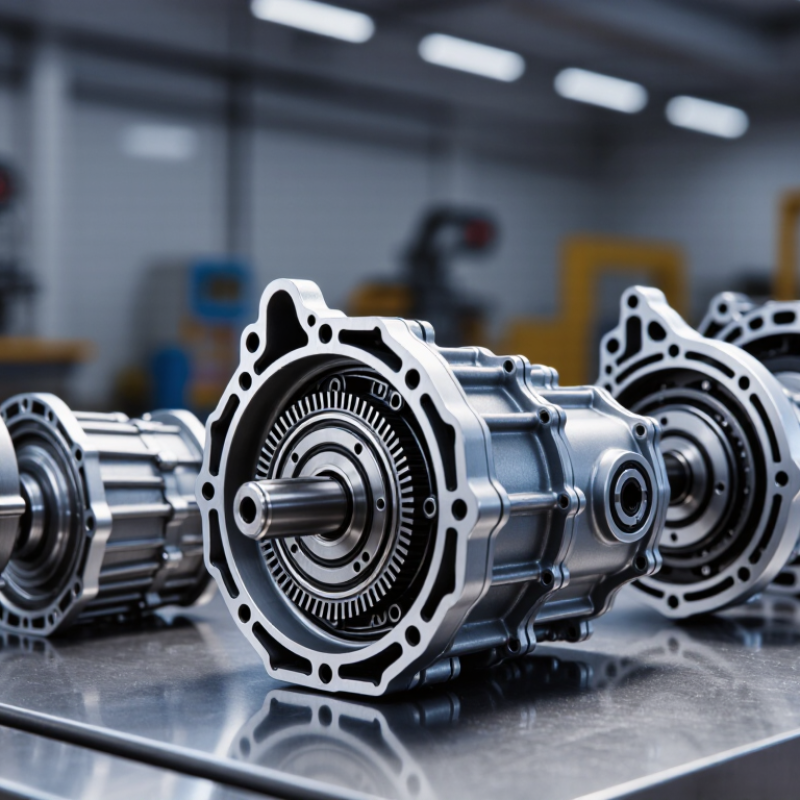
10 Best Steering Gearbox Manufacturers for Global Buyers

Understanding Steering Gearboxes and Their Key Applications

A steering gearbox transfers driver or actuator input into controlled movement at the wheels or steering linkage. Inside, gears reduce speed and increase turning force. Common designs include rack-and-pinion systems and recirculating-ball gearboxes, each suited to different loads and layouts. The housing protects moving parts, while seals help keep lubricant in and dust or water out. Small details matter.

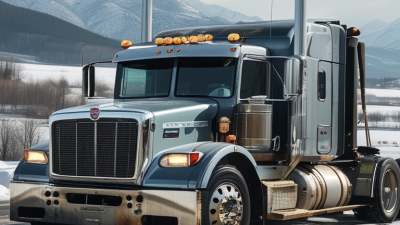
These gearboxes serve passenger vehicles, trucks, agricultural machinery, construction equipment, and some marine systems. A delivery truck may need dependable steering through frequent tight turns. A tractor often faces slow movement, uneven ground, and heavy front loads. Marine steering gearboxes must work with the vessel’s steering arrangement and operating conditions. The application changes the design priorities.

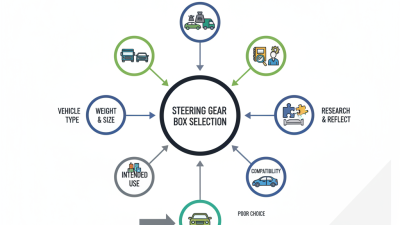
Selection depends on input torque, steering ratio, mounting space, duty cycle, and exposure to heat, vibration, or moisture. Buyers should also check shaft dimensions, allowable backlash, lubrication requirements, and service access. A gearbox can match a drawing yet feel unsuitable after installation; steering response depends on the complete linkage, not one component alone. There is no perfect setting. Regular inspection can reveal leaks, unusual play, or rough movement early. Still, wear can be difficult to judge without comparing the unit’s behavior over time.
Steering Gearbox Ratios: Input Turns and Output Rotation

A gearbox ratio describes how many input turns produce one output turn. The chart shows the output-shaft rotation from one full input revolution, calculated as 360° divided by the ratio. Ratios shown are illustrative examples, not manufacturer or market measurements.

Criteria for Evaluating Steering Gearbox Manufacturers

When comparing steering gearbox manufacturers, begin with application fit, not catalog breadth. Ask for drawings, load ratings, backlash limits, and test records for the exact duty cycle. A gearbox for a light commercial vehicle faces different shock loads from one used in passenger cars. OICA reported 93.5 million motor vehicles produced worldwide in 2023, highlighting the scale and variation of buyer demand. Volume claims alone prove little. Request monthly capacity, tooling ownership, and evidence that production parts match approved samples.

Quality systems need practical verification. Check current IATF 16949 certification, process-control plans, material traceability, and corrective-action records. Then review fatigue, corrosion, temperature, and endurance test results. The IEA’s Global EV Outlook 2024 reported nearly 14 million electric cars sold in 2023, about 18% of global car sales. That shift makes compatibility with electric steering systems and vehicle electronics worth discussing, even when the gearbox is mechanical. A polished brochure proves little.

Supplier checks should also cover lead times, warranty handling, and engineering response. Ask how the manufacturer controls gear-to-housing tolerances; request sample inspection data, not only a pass certificate. Visit the plant if possible. Watch a machining changeover and ask how rejected parts are isolated. Remote audits can miss small process gaps. Even a strong audit can overlook them. Compare total landed cost, including packaging, freight, spare parts, and expected inspection effort. IATF certification is a useful screen, not a guarantee of consistent field performance.

10 Leading Steering Gearbox Manufacturers for Global Buyers

A useful comparison of 10 leading steering gearbox manufacturers for global buyers starts with operating conditions, not catalog claims. Vehicle mix, axle loads, steering effort, and service access can change the right choice. Small details matter. Check rated input torque, backlash limits, sealing, corrosion protection, and documented test procedures. Ask for drawings and traceable inspection records before approving samples.

OICA reported 93.5 million motor vehicles produced worldwide in 2023, reflecting demand across varied vehicle classes and supply chains. That figure measures vehicle output, not gearbox demand directly. The IEA’s Global EV Outlook 2024 estimates nearly 14 million electric cars were sold in 2023, about 18% of new car sales. Electrification can change packaging, weight, and integration requirements. Treat these figures as context, not proof of any supplier’s capacity.

When screening suppliers, compare production capacity, validation coverage, regional technical support, warranty handling, and spare-part lead times. Request endurance and contamination-test results under conditions close to your duty cycle. Inspect samples for rough spots, leakage, and inconsistent return-to-center behavior. Supplier rankings remain imperfect. Public data rarely reveals factory-level yield or field failure rates, so buyers should verify claims through audits and pilot runs.

Comparing Product Range, Quality, and Global Support

A useful comparison of steering gearbox manufacturers starts with product range, not catalog size. Check whether each supplier offers suitable gear ratios, mounting patterns, shaft options, and load ratings for your equipment. A wide range matters only when its specifications match real operating conditions. Details matter. Review material descriptions, dimensional tolerances, corrosion protection, and published inspection procedures. Ask for test records tied to the relevant product, rather than relying on general quality claims. Where possible, verify fit and steering effort in a representative installation; a small mismatch can create costly rework.

Global support deserves equal weight. Confirm that manuals, drawings, and installation guidance are available in usable formats, and ask how quickly replacement parts can reach your location. Technical help across time zones can matter when a gearbox fails during a tight maintenance window. Check warranty terms, stated lead times, and how service requests are handled before placing an order. A polished catalog can still hide gaps in after-sales support. That is not enough. Comparisons also have limits: supplier data may use different test conditions, so similar ratings do not always mean equal performance. Request clarification on ambiguous specifications, then document the assumptions behind your shortlist. One overlooked detail can change the decision.

Selecting the Right Manufacturer for Your Project

Choosing a steering gearbox manufacturer starts with the vehicle, not the quotation. Define the required steering ratio, input torque, mounting points, duty cycle, and operating temperature range. Then request dimensional drawings, material specifications, and test records for fatigue, corrosion, backlash, and leakage. OICA’s 2023 production statistics report approximately 93.5 million vehicles built worldwide. That scale highlights why fitment data and consistent production controls matter across different vehicle platforms. A low unit price is less useful if installation requires rework.

Compare suppliers on verifiable evidence: quality procedures, batch traceability, inspection plans, and the ability to supply replacement parts over your project’s service life. Ask how design changes are reviewed and how nonconforming parts are contained. A common oversight is checking a gearbox on paper but not confirming the steering column interface and available installation clearance. Small mismatches can become expensive once the assembly reaches the line. Request a sample and validate it against your own application before approving production.

Tips: Send suppliers the same technical specification, including load cases and expected annual volume. Ask for test results tied to the exact product configuration. Check lead times for both initial orders and spare parts. If a supplier cannot explain a measurement or test method clearly, pause and ask again. The detail may seem minor. It may not be.

10 Best Steering Gearbox Manufacturers for Global Buyers - Selecting the Right Manufacturer for Your Project

The entries below describe common manufacturer capability profiles, not named companies or a verified ranking. Actual specifications, certifications, and availability vary by supplier and should be confirmed during sourcing.

No. Manufacturer Profile Typical Product Focus Suitable Applications Key Selection Checks Useful RFQ Information
1 Passenger-Vehicle Steering System Specialist Rack-and-pinion or recirculating-ball steering gears; hydraulic or electric power-assist options may be available. Passenger cars and light vehicles, subject to vehicle-specific design and validation. Vehicle fitment, steering ratio, input torque, assist type, durability testing, and applicable vehicle safety requirements. Vehicle platform, production year, left- or right-hand drive, target volume, and required interface drawings.
2 Commercial-Vehicle Steering Gear Manufacturer Heavy-duty steering gears, commonly including recirculating-ball designs for higher steering loads. Trucks, buses, and other commercial vehicles where the design matches axle load and duty cycle. Rated load, steering effort, operating temperature, fatigue life, sealing, and vehicle-level validation evidence. Gross vehicle weight, axle loading, duty cycle, steering linkage geometry, and operating environment.
3 Off-Highway Steering Gear Supplier Steering gears or integrated steering units designed for equipment exposed to shock, dust, and vibration. Construction, mining, and material-handling equipment, depending on machine design. Impact resistance, contamination protection, temperature range, mounting constraints, and serviceability. Machine type, steering arrangement, peak loads, environment, annual quantity, and maintenance expectations.
4 Agricultural Machinery Steering Specialist Steering gear assemblies and related components intended for agricultural vehicle duty cycles. Tractors and agricultural machinery requiring compatibility with the original steering layout. Low-speed maneuvering performance, vibration resistance, corrosion protection, and compatibility with existing linkages. Equipment make and model, serial range, steering column and linkage interfaces, and field conditions.
5 Marine Steering Gear Manufacturer Marine steering gear systems, which may use hydraulic or electro-hydraulic actuation depending on vessel requirements. Vessels whose rudder loads, steering arrangement, and control system match the supplier's design scope. Rudder torque, vessel class requirements, redundancy, environmental protection, and applicable marine approvals. Vessel type, rudder dimensions, design speed, steering arrangement, classification requirements, and duty profile.
6 Electric Power Steering Gear Integrator Steering gears integrated with electric assist, sensors, controllers, or vehicle communication interfaces. Vehicle programs requiring electronically controlled steering assist and system-level integration. Electrical architecture, software and diagnostics scope, functional safety process, EMC testing, and cybersecurity requirements. Supply voltage, network protocol, control strategy, safety targets, packaging envelope, and validation plan.
7 Hydraulic Power Steering Gear Specialist Hydraulic steering gear assemblies and, where offered, matched valves, pumps, or hydraulic components. Vehicles or machines designed for hydraulic steering assistance. Pressure and flow requirements, fluid compatibility, leakage limits, hose connections, and thermal performance. System pressure, flow rate, fluid specification, port details, operating temperature, and steering load data.
8 Replacement and Aftermarket Supplier Replacement steering gears and assemblies made for specified vehicle or equipment applications. Repair and maintenance channels where exact fitment and traceability can be established. Cross-reference accuracy, fitment coverage, warranty terms, batch traceability, and return-handling process. Part reference, vehicle or machine identification, required quantity, packaging needs, and destination market.
9 Custom Engineering and Low-Volume Manufacturer Application-specific steering gears, prototypes, or limited production assemblies. Special vehicles, prototypes, and equipment with non-standard packaging or interface requirements. Design ownership, engineering-change process, prototype lead time, test capability, and production scalability. CAD files, loads, motion requirements, envelope limits, materials, target cost, and expected production volume.
10 Remanufacturing and Service Supplier Inspection, repair, or remanufacture of steering gear assemblies, depending on core condition and service scope. Maintenance programs seeking repair options for supported units rather than a new design. Inspection criteria, replacement-part policy, test documentation, warranty coverage, and core return requirements. Unit identification, failure symptoms, core condition, required turnaround, and acceptance criteria.