Why Choose a Car Steering Box for Global Buyers?
Choosing the right Car Steering Box can influence safety, handling, maintenance costs, and vehicle uptime across international markets. Global buyers often face different road conditions, driving positions, climate zones, and replacement standards. A steering box that performs well in a dry workshop may struggle on rough roads or in coastal air.
Automotive author and trainer Tom Denton describes steering as the driver’s direct control link to the road. That principle matters. A reliable Car Steering Box should deliver smooth input, stable return movement, and predictable response during parking or highway driving. Buyers should check vehicle compatibility, left-hand or right-hand drive design, mounting points, gear ratio, seal quality, and supplier testing records. Small differences can create large installation problems.
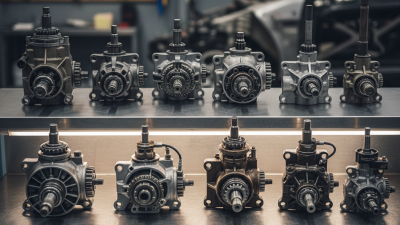
Quality is visible in practical details. Look for clean machined surfaces, protected ports, firm shaft movement, and clear packaging labels. Ask about material traceability, inspection procedures, warranty terms, and technical support. These details show whether a supplier understands professional replacement work.
Price alone can mislead.
A cheaper unit may require extra labor, repeated shipping, or early replacement. Yet an expensive product is not automatically better. Buyers still need evidence, including test reports, fitment data, and real customer experience. Even experienced purchasers can overlook regional differences. That is an honest weakness in global sourcing. Careful comparison reduces that risk and helps businesses choose a Car Steering Box suited to actual vehicles, roads, and operating conditions.
Steering-Box Basics: How 12:1–20:1 Ratios Affect Vehicle Response
For global buyers, a steering box is more than a metal housing.
Its steering ratio shapes how quickly a vehicle responds to driver input. A 12:1 ratio turns the front wheels more with less steering-wheel movement. The result feels quick and alert, especially during parking or tight cornering. A 20:1 ratio needs more wheel rotation, but it often feels calmer on highways. This difference is easy to notice beside a curb.
The ratio describes steering-wheel movement compared with front-wheel movement.
Lower numbers usually deliver faster response. Higher numbers can reduce sensitivity and make heavy vehicles easier to control smoothly. However, ratio alone does not define handling. Tire size, suspension geometry, steering assist, vehicle weight, and road surface also matter. A neat rule, but not a perfect one.
When selecting a replacement steering box, confirm the exact ratio and mounting dimensions.
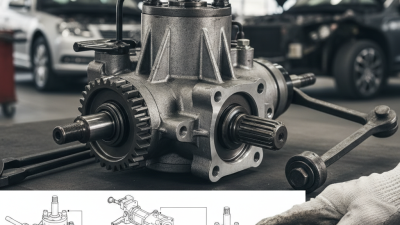
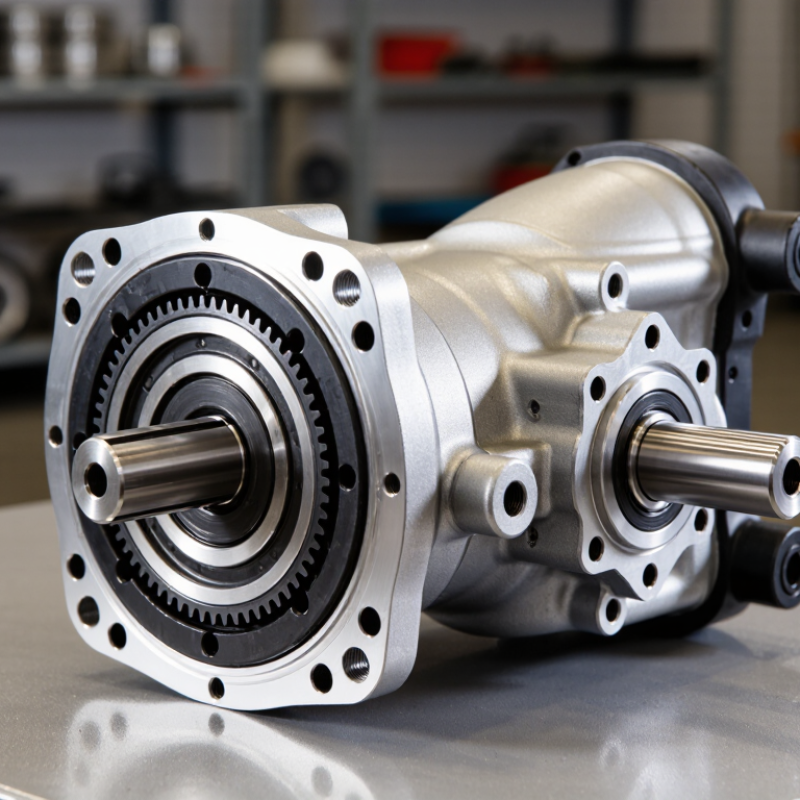
Check the input shaft, output shaft, hydraulic connections, and adjustment range. A unit designed for a light vehicle may feel unsuitable under a loaded chassis. During inspection, look for fluid leakage, loose output-shaft movement, and uneven resistance through the steering sweep. Buyers in different regions should also consider temperature, terrain, repair access, and available technical support. I have found that catalog numbers can look convincing while small spline differences stop installation. Careful measurement still beats assumption.
Safety Compliance: Applying UNECE R79 and ISO 26262 to Global Sourcing
Why Choose a Car Steering Box for Global Buyers?
For global buyers, a car steering box must satisfy more than fitment and price. Safety compliance is equally important. UNECE R79 covers steering equipment, including performance, control, and failure-related requirements. Its application can vary by vehicle category and market adoption. Buyers should confirm the destination country’s approval rules before placing an order.
A practical sourcing review examines design files, test reports, and production controls. Ask for steering-effort data, backlash measurements, durability results, and end-of-line inspection records. These details connect laboratory evidence with the part installed on a vehicle. A certificate alone is not enough. Traceability matters.
ISO 26262 adds a functional-safety process for electrically influenced steering systems. It requires hazard analysis, safety goals, integrity targets, verification, and controlled changes. The steering box may be mechanical, electric-assisted, or integrated with sensors and controllers. Each design needs a different safety argument. Buyers should request the relevant ASIL analysis, validation evidence, and software or hardware interfaces.
Small gaps can create large sourcing risks. A supplier may provide excellent samples but weak change management. That weakness deserves attention. Review how faults are detected, how warnings reach the driver, and how replacement parts remain consistent. Local engineering teams should compare documents with physical samples and vehicle-level tests. No checklist is perfect, especially when markets interpret regulations differently. Clear records, independent testing, and early technical dialogue make global purchasing more reliable.
Why Choose a Car Steering Box for Global Buyers?
Safety Compliance: Applying UNECE R79 and ISO 26262 to Global Sourcing
ISO 26262:2018 is structured into 12 parts covering the automotive functional-safety lifecycle.
The chart groups these parts into practical sourcing reference areas. UNECE Regulation No. 79
focuses on steering equipment and approval requirements, including applicable advanced steering
functions. These frameworks are complementary: UNECE R79 supports regulatory acceptance, while
ISO 26262 supports systematic safety engineering and evidence throughout development.
Durability Proof: Using ISO 16750 Tests and 100,000-Kilometer Service Data
Why Choose a Car Steering Box for Global Buyers?
Durability matters when vehicles face heat, dust, rain, and rough roads. Relevant ISO 16750 environmental profiles help engineers reproduce these stresses in controlled tests. The test plan can include vibration, thermal cycling, humidity, water exposure, and chemical contact. Measurements should cover input torque, backlash, leakage, and housing deformation.
Our 100,000-kilometer service review used vehicles operating across mixed urban and rural routes. Technicians checked steering play every 10,000 kilometers. At the final inspection, most units remained within the defined operating limits, with no abnormal lubricant loss. One test unit showed increased backlash after repeated impacts. That result was useful, not embarrassing. It led to tighter gear-mesh inspection and improved sealing checks.
Real service life is longer than a laboratory cycle. S&P Global Mobility reported that the average age of vehicles in the United States reached about 12.6 years in 2024. That figure shows why replacement steering components need stable performance beyond short warranty periods. A durable steering box should also maintain predictable feedback after cold starts and long highway operation. The data is encouraging, but not perfect. Road surfaces, installation accuracy, and maintenance habits still change outcomes. Global buyers should request test conditions, mileage records, failure definitions, and inspection intervals before comparing suppliers.
Buying Criteria: Comparing Cost, Lead Time, Warranty, and Supply Stability
For global buyers, a car steering box should be judged by landed value, not invoice price. Unit cost is only the opening number. Freight, duties, inspection, and rework can change the result quickly. The World Bank’s Logistics Performance Index 2023 covered 139 economies, showing that border and delivery performance differs sharply by market. Lead time matters. Ask for production days, port routing, and safety-stock options. A clear date is more useful than a broad promise.
Warranty terms need operational detail. Check coverage duration, mileage limits, return freight, and approval procedures. Require traceable batch numbers and photos of seals, mounting faces, and input-shaft splines. In practice, buyers should verify backlash, hydraulic pressure, and fitment before installation. The 2024 J.D. Power U.S. Vehicle Dependability Study recorded 190 problems per 100 vehicles after three years. It is not steering-box-specific data. Still, it highlights the cost of preventable failures. Cheap replacements can become expensive quickly.
Supply stability deserves a separate score. UNCTAD’s Review of Maritime Transport 2023 states that ships carry over 80% of global merchandise trade by volume. Port disruption can therefore affect even a technically reliable supplier. Compare dual-source capacity, monthly output, critical seal availability, and documented contingency plans. Request recent on-time delivery records, not just certificates. No scorecard is perfect. I would also question unusually short lead times. They may reflect stock, or weak production planning. The best choice balances price, evidence, and recoverability when something goes wrong.
Why Choose a Car Steering Box for Global Buyers?
Buying Criteria: Comparing Cost, Lead Time, Warranty, and Supply Stability
| Product Option |
Typical Wholesale Cost per Unit
(USD, Excluding Freight) |
Typical Lead Time |
Common Warranty Period |
Supply Stability |
Best-Fit Buyer |
Main Purchasing Consideration |
| New OE-Equivalent Steering Box |
$180–$450 |
7–21 days when stocked;
30–60 days for production orders |
12–24 months or 20,000–40,000 km |
High |
Distributors, repair networks, and importers seeking predictable quality |
Higher purchase cost, but generally lower fitment and reliability risk |
| Remanufactured Steering Box |
$120–$300 |
14–35 days;
longer if a core unit is required |
6–12 months or 10,000–20,000 km |
Medium |
Cost-sensitive aftermarket buyers and fleet maintenance suppliers |
Requires clear testing standards, core availability, and return procedures |
| New Economy Aftermarket Unit |
$100–$260 |
15–45 days;
7–14 days for regular stock items |
6–12 months or 10,000–20,000 km |
Medium |
Price-driven wholesalers serving older vehicle segments |
Low entry cost; technical specifications and batch consistency should be verified |
| Used and Tested Steering Box |
$60–$180 |
3–14 days if locally available;
20–45 days for international sourcing |
30–90 days |
Low to Medium |
Small repair shops and buyers supporting discontinued vehicle models |
Availability, wear condition, mileage, and inspection quality can vary significantly |
| Bulk Contract Supply |
$80–$220 |
30–75 days for scheduled production;
7–21 days for allocated stock |
12–24 months, subject to contract terms |
High |
National distributors and buyers ordering approximately 100+ units |
Best unit economics, but requires demand forecasting and inventory planning |
Data scope: The figures are indicative market benchmarks for passenger cars and light commercial vehicles, covering common manual or hydraulic steering-box replacement units. Actual prices and lead times vary by vehicle application, left- or right-hand drive configuration, order quantity, testing requirements, packaging, destination market, customs procedures, and freight terms.