Best Steering Gearbox Options for Global Buyers to Consider?
When considering the best steering gearbox options globally, industry expert John Mitchell emphasizes the importance of precision. He states, “A reliable steering gearbox is essential for vehicle control and safety.” This insight highlights how crucial steering gearboxes are to automotive performance.
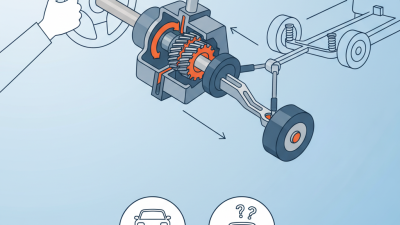
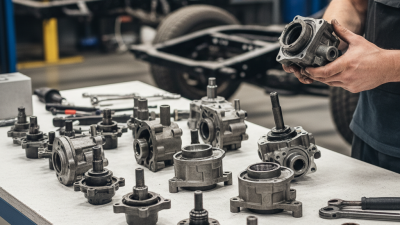
Steering gearboxes play a vital role in translating driver input into vehicle movement. They ensure the vehicle responds accurately to steering wheel turns. With a variety of options available, buyers must prioritize quality and compatibility with their specific vehicles. Some steering gearboxes excel in light-duty applications, while others are designed for heavy-duty performance.
The global market offers numerous choices, but not all steering gearboxes meet rigorous standards. Low-quality options can lead to safety issues or increased wear over time. Rigorous testing and expert recommendations are key when selecting the right gearbox. It’s essential for buyers to conduct thorough research and consider the reputation of manufacturers. Finding the right balance between price and quality can be a difficult yet necessary journey.
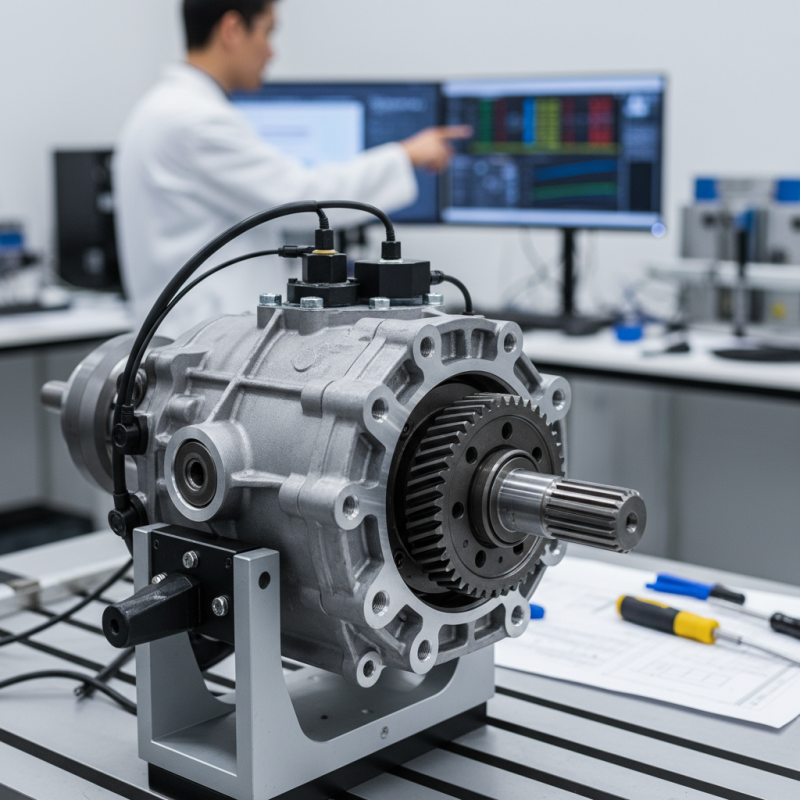
Key Types of Steering Gearboxes for Global Vehicles
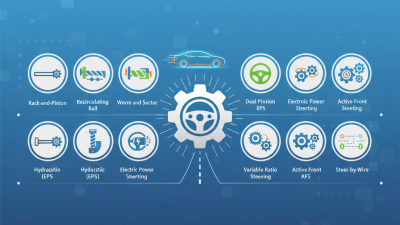
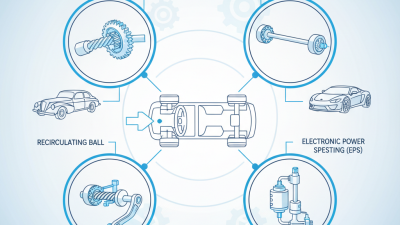
When it comes to steering gearboxes, understanding the different types is crucial for global buyers.
Rack and pinion systems are popular due to their compact design and direct steering response.
They work well in passenger vehicles, providing a smooth driving experience. However, they may not be ideal for heavy-duty applications.
Consider the load your vehicle needs to handle.
Another common type is the recirculating ball gearbox. This design suits larger vehicles, offering robust performance under heavy stress.
It provides good feedback to the driver, enhancing control. Yet, this type can feel less responsive compared to rack and pinion systems.
Buyers must weigh performance against comfort.
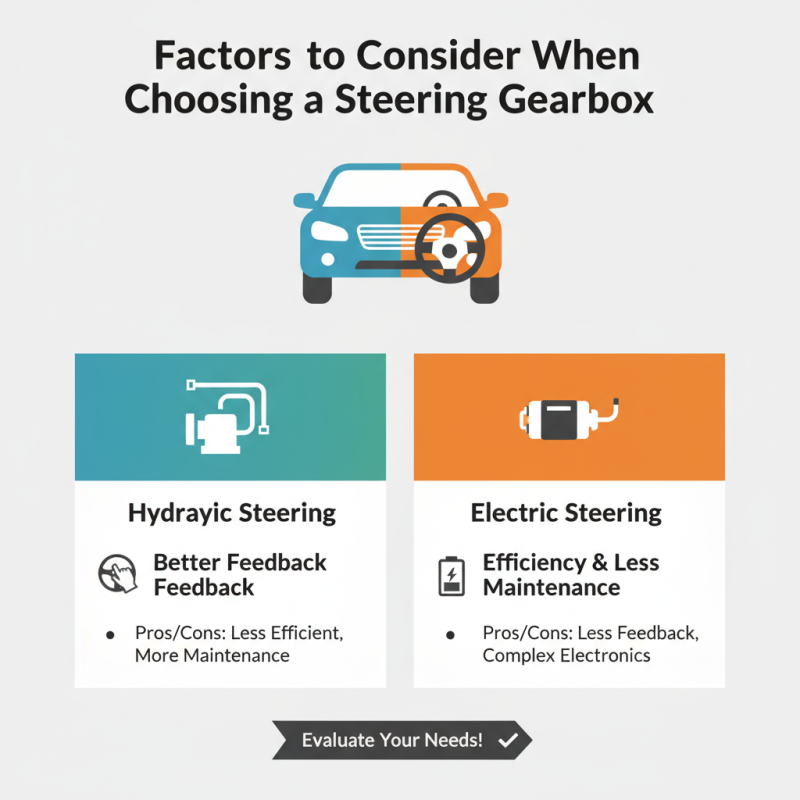
Lastly, power steering systems are gaining traction. They use hydraulic or electrical assistance,
reducing the effort needed to turn the wheel. While they enhance ease, they might introduce complexity or require more maintenance.
Each type has its pros and cons, making it essential for buyers to reflect on their specific needs.
Choosing the right steering gearbox can greatly influence driving dynamics and safety.
Top Brands and Manufacturers in the Steering Gearbox Market
When considering steering gearbox options, understanding the top brands and manufacturers is essential. Reliability is crucial, and many trusted names dominate the market. They provide innovative solutions that enhance vehicle performance. Each brand has its unique strengths, catering to various vehicle types.
For global buyers, it’s important to evaluate manufacturers based on experience. A company with a long history often has robust testing protocols. Features like durability and precision also set these brands apart. Some brands excel in commercial vehicles, while others target passenger cars. Researching these distinctions can aid in making informed choices.
A few manufacturers are gaining attention for their commitment to quality. They focus on sustainability and performance. However, no brand is without flaws. Some may struggle with consistent supply or service quality. Buyers should consider both the strengths and shortcomings of each manufacturer. Balancing these factors can lead to better purchasing decisions in the competitive steering gearbox market.
Comparative Analysis of Performance and Durability
When evaluating steering gearbox options, performance and durability are critical factors. A comprehensive report from the
Society of Automotive Engineers states that steering gear systems contribute to about 20% of a vehicle's overall handling performance. This finding underscores the importance of selecting a gearbox that combines both
resilience and efficient performance. Buyers should weigh options that are known for longevity, especially in diverse driving conditions common in different regions.
Durability is often tested through rigorous performance standards. The ISO 9001 certification focuses on quality management systems, ensuring products meet global expectations. According to recent studies, gearboxes designed with
advanced materials often provide a 30% increase in lifespan compared to standard models. However, some options still exhibit weaknesses in extreme environments, prompting further
investigation into material composition and design enhancements.
Overlooking these factors can lead to unexpected failures. A reported 15% of consumers experienced premature gearbox wear, indicating a gap in product reliability. Despite advancements, some steering gearboxes still fall short under
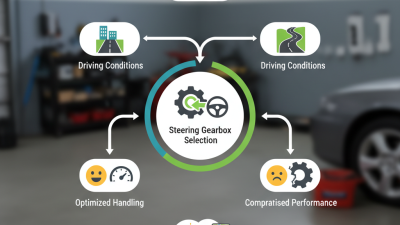
heavy use, raising questions about manufacturing processes. A thoughtful selection process must involve comparisons of durability ratings and real-world performance feedback from users in various driving conditions.
Trends in Steering Gearbox Technology for Future Vehicles
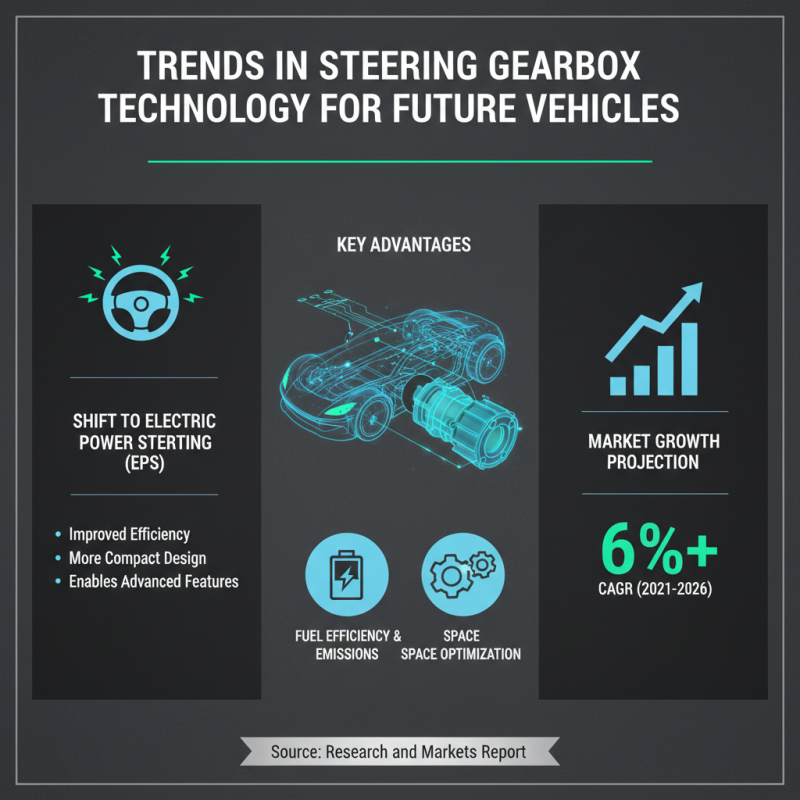
As the automotive industry evolves, steering gearbox technology is rapidly advancing. Current trends indicate a shift towards electric power steering (EPS) systems. EPS offers improved efficiency and allows for more compact designs than traditional hydraulic systems. A report by Research and Markets notes that the EPS market is projected to grow at a CAGR of over 6% from 2021 to 2026, indicating strong industry interest.
Another notable trend is the integration of advanced driver-assistance systems (ADAS) with steering gearboxes. Companies are focusing on developing steer-by-wire systems. These systems enhance connectivity between the vehicle and its driver, improving safety and handling. According to a Deloitte report, the demand for ADAS-equipped vehicles is expected to reach 43 million globally by 2025.
Tips: When considering a steering gearbox, examine how it influences vehicle handling. Research the longevity and reliability of different systems. Look into the compatibility of steering gearboxes with future technologies in electric and hybrid vehicles. This could impact your purchasing decisions significantly. Thoughtful evaluation is key.